
Dear reader,
There is a particular sound to Sawan in north India. It is the sound of rain on a tin roof, of temple bells ringing a little earlier than usual on a Monday morning, of saffron-clad kanwariyas chanting “Bol Bam” as they walk along the highway with pots of Ganga water swinging from bamboo poles across their shoulders. Sawan, or Shravan, is the monsoon month of the Hindu calendar, and for millions of people it is the month of Shiva. Our July 2024 issue is devoted to it.
In the northern calendar, Sawan in 2024 was expected to begin around 22 July and run to around 19 August, with five Mondays, the Sawan Somvars, falling within it. Dates differ by region and by calendar system, and in parts of western and southern India the month begins about two weeks later. Please check local temple calendars before you plan.
Why Sawan matters
The stories behind Sawan are many. The best known is the churning of the ocean, the samudra manthan, when a deadly poison emerged and Shiva drank it to save the world, holding it in his throat, which turned blue. Devotees say the offering of water and milk on the Shiva lingam during this month cools and soothes him. Others link the month to Parvati’s devotion and her penance to win Shiva as her husband, which is why many unmarried women fast on Mondays in Sawan.
Whatever the story you grew up with, the practice is visible everywhere: in fasts, in long queues at temples, in green bangles and mehendi, in swings tied to trees for Teej, and in the vast processions of the Kanwar Yatra.
What you will find inside
Our features already on the site include a guide to eating right during the holy month, a visit to the Baidyanath Jyotirlinga in Deoghar, a reflection on the divine steps of the Kanwar Yatra, our pick of destinations for Sawan 2024, and a look at the rise of homestays across India, which have changed how many pilgrims and travellers find a place to stay.
The new stories take you further. One follows the road from Haridwar to the Neelkanth Mahadev temple above Rishikesh, the route that explains the Kanwar Yatra better than any description. Another offers three days in Varanasi during Sawan, not as a checklist but as a way to experience the city’s rhythm. A candid guide covers what to skip on your first Sawan pilgrimage. And we take you to Jageshwar, a quiet temple complex in the deodar forests of Kumaun, where Sawan is celebrated with a fair but without the crowds of the great pilgrimage towns.
Sawan across India
Although Sawan is most visible in the north, it is observed in many different ways across the country. In Jharkhand, pilgrims walk more than a hundred kilometres from Sultanganj on the Ganga to the Baidyanath temple in Deoghar, a journey we explore in this issue. In Varanasi, the lanes around Kashi Vishwanath fill with devotees from before dawn. In Ujjain, the Mahakaleshwar temple holds special processions on Sawan Mondays, according to local tradition. In Uttarakhand, the Kedarnath region is in the grip of the monsoon, and smaller shrines like Jageshwar host local fairs. In Maharashtra and Gujarat, where the month usually begins later, Shravan is associated with fasting, temple visits and festivals such as Raksha Bandhan and Janmashtami falling within or near it.
In villages, Sawan also carries older, agricultural meanings: the rains that make the fields green, the songs sung on swings, the new clothes for Teej and the gatherings of married daughters returning to their parents’ homes. These traditions are a reminder that this month belongs to everyone, not only to pilgrims.
Travelling in Sawan
Sawan coincides with the heaviest monsoon rains in much of north India. That brings beauty: green hills, full rivers and cool mornings. It also brings challenges. Landslides close mountain roads. Rivers rise quickly. Highways are diverted for the Kanwar Yatra, and traffic restrictions can be severe in western Uttar Pradesh, Haryana, Delhi and Uttarakhand. Temple queues can be very long, especially on Mondays and on Sawan Shivratri.
If you are travelling during this month, please plan with care. Check road advisories and weather warnings before you leave. Leave extra days in your plans. Carry rain gear and stay hydrated. Follow the instructions of local police and temple authorities, especially in crowds. If you are not going for religious reasons, consider visiting pilgrimage towns on weekdays and avoiding the busiest dates.
Respect, above all
Sawan is a deeply spiritual time for many people. If you visit temples or watch the Kanwar Yatra, do so with respect. Dress modestly, follow temple customs, ask before photographing people and avoid adding to the crowds unnecessarily. Many towns are vegetarian during this month and alcohol may be restricted; please respect local practices.
Pilgrimages also produce a great deal of waste. Plastic bottles, packaging and flowers end up in rivers. Carry your own bottle, take your rubbish back with you and support efforts to keep ghats and rivers clean.
A personal note
Every year Sawan reminds me that travel in India is not only about places. It is about time: festivals, seasons and the rhythms that bring people out onto the roads together. Watching kanwariyas walk barefoot for days, or seeing a small village temple fill with women singing on a rainy Monday morning, I am always struck by the depth of faith and the generosity of the people who serve water, food and shelter to strangers along the way.
As always, we have been careful with facts. Festival dates, temple timings, traffic rules and road conditions change from year to year. Where we are not sure, we say so. Please check current information before you travel.
Thank you for reading and for travelling with us. I hope this issue helps you understand Sawan a little better, whether you are setting out on a pilgrimage, planning a monsoon trip, or simply watching the rain from your window.
Har Har Mahadev, and happy travels.
With warm regards,
Khushi Anand, Editor
More from Issue 63
- July 2024
- Explore India’s Magnificent Temples: A Journey Through History & Art
- Eat Right, Skip Smart: Your Guide to the Holy Month of Sawan
- Embrace Divinity at Baidyanath Jyotirlinga Temple
- Divine Steps of the Kanwar Yatra
- Top 5 Destinations for Sawan 2024
- The Rise of Homestays in India
- Haridwar to Neelkanth: The Kanwar Road That Explains Sawan
- Three Days in Varanasi in Sawan, Not a Checklist
- What to Skip on Your First Sawan Pilgrimage
- Jageshwar in Sawan: A Quieter Shiva Shrine in the Deodar Forest

Why May is the Best Time for a Budget Beach Holiday

5000 Indian pilgrims can now travel visa-free to Kartarpur in Pakistan every day
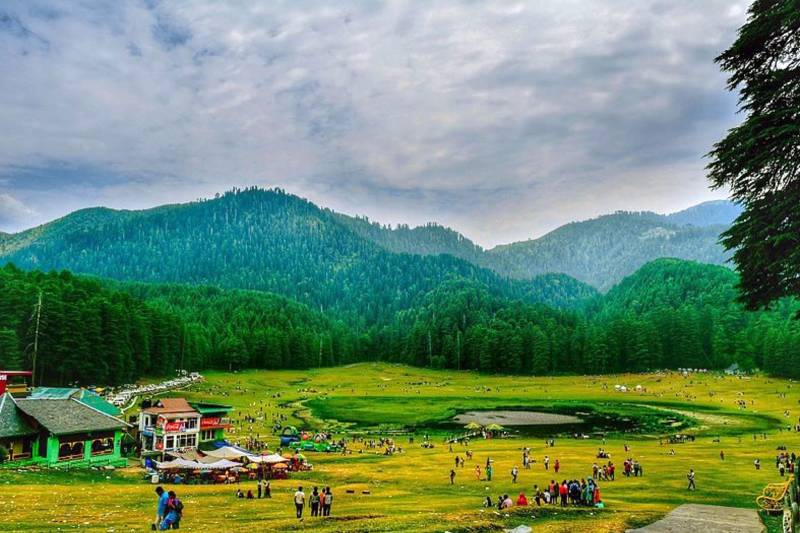
Dalhousie: A Beautiful Himalayan Retreat in Himachal Pradesh
The Town You Sleep In
Why the base town shapes a monsoon waterfall trip more than any single fall, what to look for, and towns in Karnataka, Kerala and Goa worth considering.
One village ghat upriver
Train versus road that week
Markets before the 20th, not on it
Journeys Worth Discovering
Explore inspiring destinations, memorable journeys and travel stories from across India and beyond.
Explore destinations




