
Every Sawan, millions of devotees take part in the Kanwar Yatra, carrying water from the Ganga to offer to Shiva at temples across north India. Many of them begin at Haridwar, where the river leaves the mountains, and the most symbolic walk for many is the climb to the Neelkanth Mahadev temple in the hills above Rishikesh. The road between these two places, roughly 50 kilometres by most estimates, explains the spirit of Sawan better than any description.
This is not a pilgrimage guide in the religious sense. It is a way of understanding what happens on this road during Sawan, and how to travel it respectfully, whether you are a devotee or an observer. Distances and dates are approximate, and rules change every year, so please check local advisories before you go.
The idea behind the walk
The Kanwar Yatra takes its name from the kanwar, a bamboo pole carried on the shoulder with a pot of water hung at each end. Devotees, known as kanwariyas or bhole, fill the pots with Ganga water and walk, often barefoot, to offer it on the Shiva lingam at a chosen temple. Many walk to temples near their homes, sometimes hundreds of kilometres away in Delhi, Haryana, western Uttar Pradesh or Rajasthan. The pots are not supposed to touch the ground during the journey, so rest stops along the way provide stands to hang them.
The Neelkanth temple holds special meaning because tradition says it marks the place where Shiva drank the poison that emerged from the churning of the ocean, the event that turned his throat blue and gave him the name Neelkanth.
Haridwar: where the water is collected
The yatra begins at the ghats of Haridwar, especially Har Ki Pauri. In the days before Sawan Shivratri, the town becomes a sea of saffron. Kanwariyas bathe, fill their pots, buy decorated kanwars from stalls along the roads and set out on foot, on bicycles or in decorated vehicles playing devotional music at high volume.
For observers, the evening Ganga aarti at Har Ki Pauri is a powerful sight at this time. Expect enormous crowds and heavy security. Arrive early, keep your belongings close and follow police instructions.
The road to Rishikesh
From Haridwar, many walkers follow the road north towards Rishikesh, about 25 kilometres away. During the yatra, sections of highway may be reserved for pilgrims, and vehicle traffic is often diverted or restricted. Along the way, volunteer groups set up camps known as kanwar shivirs, providing free food, water, medical help and places to rest. These camps are one of the most moving aspects of the yatra: thousands of ordinary people giving their time and money to serve strangers.
Rishikesh and the river crossing
At Rishikesh, pilgrims cross the Ganga, often by one of the bridges in the Swarg Ashram area, and begin the climb towards Neelkanth. The old Laxman Jhula has been closed to traffic in recent years and a new bridge has been under construction; check which crossings are open.
The town is especially busy in Sawan. If you are visiting for other reasons, such as yoga or rafting, note that river rafting is usually closed during the monsoon, roughly July to mid-September, and traffic can be very heavy.
The climb to Neelkanth
The Neelkanth Mahadev temple sits at roughly 1,300 metres according to most sources, in forested hills above the Ganga. By road it is about 30 kilometres from Rishikesh, but many pilgrims walk a shorter, steeper footpath through the forest, roughly 12 to 14 kilometres from the Ram Jhula area, though estimates vary.
The walk passes through the forests of the Rajaji area. In Sawan, the path is slippery, crowded and humid, and the climb can take several hours. At the top, the temple is painted with bright images of the samudra manthan, and queues can stretch a long way, especially on Mondays.
The camps along the way
If there is one thing to stop and watch on this road, it is the kanwar shivirs. Some are small, a few plastic chairs and a tea urn under a tarpaulin run by a neighbourhood group. Others are enormous, with cooks preparing food for thousands, doctors treating blistered feet, and loudspeakers playing bhajans through the night. Volunteers wash pilgrims’ feet, massage tired legs and offer fruit, water and sweets. Most of this is funded by local donations, and many families return to serve at the same camp year after year. It is a vivid reminder that the yatra is not only about the walkers, but also about the communities that support them.
Sawan Shivratri: the culmination
For many kanwariyas, the culmination of the yatra is Sawan Shivratri, when water is offered at temples across the region. In 2024 this was expected around 2 August, though you should always check the calendar. In the days before it, the roads between Haridwar, Rishikesh and the plains are at their most crowded, and traffic restrictions are at their strictest.
How to travel this road
Check advisories. Uttarakhand, Uttar Pradesh, Haryana and Delhi police issue traffic plans every year for the Kanwar Yatra, often including highway closures and diversions. Look these up before you travel.
Avoid peak days if you are not a pilgrim. The last week before Sawan Shivratri is usually the busiest.
Walk carefully. If you walk to Neelkanth, start early, carry water and wear shoes with good grip. The path can be slippery in the rain, and the forest is home to wildlife.
Respect the pilgrims. Do not obstruct walkers, do not touch kanwars and ask before taking photographs.
Stay hydrated and watch the weather. July and August bring heavy rains and the risk of landslides and flash floods. Follow official warnings.
Keep the river clean. Avoid plastic, carry your own bottle and dispose of rubbish properly.
What this road teaches
Walk or drive the road from Haridwar to Neelkanth in Sawan, and you see the whole spirit of the month: faith, endurance, the generosity of strangers, the noise and colour of a vast moving crowd, and the quiet moments of devotion in a forest temple. Whether you come as a pilgrim or an observer, it is one of the most remarkable journeys in India.
More from Issue 63
- July 2024
- Editor’s Letter: Sawan, the Month the Rain Comes for Shiva
- Explore India’s Magnificent Temples: A Journey Through History & Art
- Eat Right, Skip Smart: Your Guide to the Holy Month of Sawan
- Embrace Divinity at Baidyanath Jyotirlinga Temple
- Divine Steps of the Kanwar Yatra
- Top 5 Destinations for Sawan 2024
- The Rise of Homestays in India
- Three Days in Varanasi in Sawan, Not a Checklist
- What to Skip on Your First Sawan Pilgrimage
- Jageshwar in Sawan: A Quieter Shiva Shrine in the Deodar Forest
What to wear, and what not to film
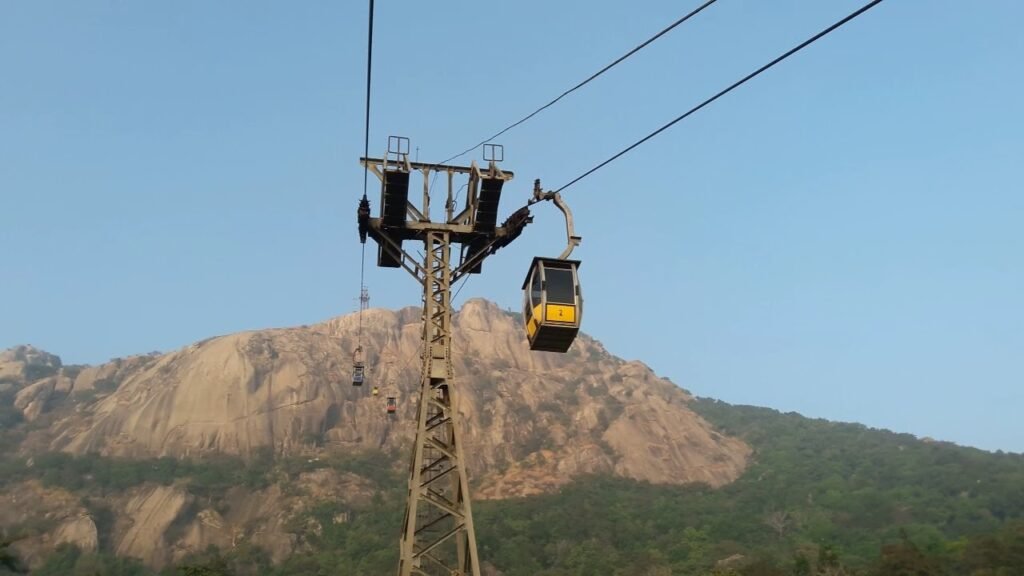
Deoghar, the ‘Abode of Gods’
One ghat road that is worth the rain
The Town You Sleep In
Why the base town shapes a monsoon waterfall trip more than any single fall, what to look for, and towns in Karnataka, Kerala and Goa worth considering.
One village ghat upriver
Train versus road that week
Markets before the 20th, not on it
Journeys Worth Discovering
Explore inspiring destinations, memorable journeys and travel stories from across India and beyond.
Explore destinations




