
Navratri in Gujarat is a festival of colour, and much of that colour is worn. Swirling chaniya cholis, mirror-work blouses, embroidered kediyu jackets, oxidised silver jewellery: the clothing is part of the celebration. But what you wear also affects how comfortable you are, how respectful you appear and how well you can dance. And in the age of the smartphone, what you film matters just as much. This piece is about both.
What people usually wear
Traditional garba clothing for women typically includes a chaniya choli, a flared skirt with a fitted blouse and a dupatta, often embroidered, mirrored or brightly printed. Many men wear a kediyu, a short flared jacket, with dhoti or churidar, or a kurta with pyjama. Colours are often vivid. Some participants choose colours associated with each night of Navratri, a custom linked to the form of the goddess honoured that day; the colour sequence is published by various sources each year and can differ, so check a source you trust if you want to follow it.
At large ticketed events and in cities, you will also see a great deal of fusion and modern clothing. At neighbourhood and temple events, clothing tends to be more traditional. Follow the lead of your hosts.
Comfort first
You may dance for three or four hours. Choose clothes that let you move freely, breathe in warm and humid conditions and will not trip you up.
- Pick skirts and dhotis that clear the ground, so you do not step on the hem while turning.
- Choose breathable fabrics; heavy embroidery is beautiful but can be hot.
- Secure dupattas so they do not slip or catch on others.
- Avoid very heavy jewellery that can swing and hurt you or others.
- Wear comfortable, low-heeled footwear if footwear is worn where you are dancing, or be ready to dance barefoot where that is customary.
Many visitors underestimate the toll on feet. Bring cushioned insoles, plasters for blisters and something comfortable for the journey home.
Buying or renting locally
In Ahmedabad, Vadodara and other cities, many markets sell or rent garba outfits in the weeks before Navratri. Renting can be a sensible option for visitors who will wear an outfit only a few times. Buying or renting locally also supports the tailors, embroiderers and traders for whom Navratri is an important season. We have not named shops or markets, because they change, but your hosts or hotel can usually advise. Try on outfits and check fit and comfort before you commit; bargaining norms vary by market.
Respectful dress
Garba is a devotional practice, and many events take place in temple compounds or around a shrine. Clothing that is respectful in that context will serve you well anywhere. That does not mean you must wear traditional dress; many visitors join in kurtas or simple modest clothing and are welcomed. If you are invited to a family or society celebration, ask your hosts what would be appropriate.
What not to film
This is the harder part. Garba is beautiful to film, and it is natural to want to capture it. But a circle of dancers is a congregation, not a stage set, and filming can intrude on people’s privacy and on their worship.
Some guidelines we suggest:
- Do not film while dancing. It is unsafe and disrupts the circle.
- Do not film individuals, especially women and girls, without clear consent. Many are uncomfortable being filmed by strangers, and videos can be shared widely without their knowledge.
- Do not film the aarti or shrine area unless it is clearly permitted.
- Respect any no-photography rules at events or temples.
- Do not use flash in people’s faces.
- Do not fly drones unless you have the required permissions; drone use in India is regulated, and crowded events often have specific restrictions.
- Do not live-stream a private family or society event without your hosts’ permission.
What you might film
If you want a memory, consider wide shots that show the circle as a whole rather than identifiable faces, filmed from the edge for a short time. Ask musicians whether you may record a short clip of a song. Record yourself, your friends or your family, with their agreement. And then put the phone away and dance.
Our photography piece in this issue goes into more depth on how to take good, respectful pictures of garba.
The question of social media
Many visitors are tempted to make content during Navratri: reels, vlogs, posts. If you do, be thoughtful. Avoid treating a devotional event as a costume party, avoid filming people who have not agreed, and avoid blocking others’ view or movement to get a shot. If an organiser or a participant asks you to stop, stop.
Looking after your belongings
With all the movement, it is easy to lose things. Use a small cross-body bag or a pouch you can keep close. Leave expensive jewellery at home. Keep your phone secure; phones are commonly lost or stolen at crowded events. Note your hotel’s address offline in case you need it late at night.
Weather
Late September in Gujarat can still be warm and humid, and late-monsoon showers are possible. A light rain layer or small umbrella is useful. Choose fabrics that dry reasonably quickly.
After the dance
At the end of the night, you will likely be sweaty, tired and happy. A change of clothes or a light shawl for the journey home can make a difference, especially if you are taking an auto-rickshaw or two-wheeler. Hydrate, eat something light and rest your feet.
The best outfit
The best garba outfit, in the end, is the one that lets you dance comfortably and shows respect for the people around you. The best memory is the one you carry in your body, not on your phone. Dress well, film little, and let the circle do the rest.
A short checklist
Before you leave your room for the evening, check that you have water, a charged phone, a small amount of cash, plasters, a light layer and your accommodation address. Check that your hem clears the ground and your dupatta is secure. Then go and enjoy the night.
More from Issue 77
- Navratri in Gujarat — issue index
- Editor’s letter: Navratri & Garba
- Garba without treating the city as a backdrop
- Ahmedabad nights and a quiet morning after
- Vadodara if Ahmedabad is full
- What to wear, and what not to film
- A first-timer’s nine nights, not all nine
- Food between the circles
- A family courtyard, not only the ticketed ground
- Dates, tickets and temple timings
- One village garba
- The photograph of the circle, not the selfie

Sawai Madhopur
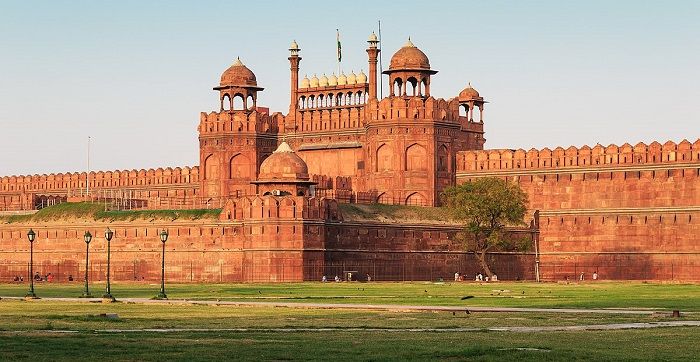
Red Fort (Lal Qila)

Orissa is fun!
The Town You Sleep In
Why the base town shapes a monsoon waterfall trip more than any single fall, what to look for, and towns in Karnataka, Kerala and Goa worth considering.
One village ghat upriver
Train versus road that week
Markets before the 20th, not on it
Journeys Worth Discovering
Explore inspiring destinations, memorable journeys and travel stories from across India and beyond.
Explore destinations




