
Dear reader,
September is one of the kindest months to be in Kashmir. The heaviest summer crowds have thinned, the apple orchards in the south of the valley begin to colour, and the chinar trees are only weeks away from turning the gardens of Srinagar rust and gold. It felt like the right moment to give an entire issue to Jammu and Kashmir, and to try, as we always do, to look a little past the postcard.
Kashmir has been called a paradise so many times that the word has almost stopped meaning anything. Houseboats on Dal Lake, shikaras at sunset, meadows at Gulmarg and Pahalgam: these images are real, and they are lovely, but they are only the first page. This issue is our attempt to read further.
What is in this issue
We open with Kashmir’s wildlife. Many visitors do not realise how much of the valley is still forest and high pasture, or that animals such as the Kashmir stag, known locally as the hangul, survive in protected areas close to Srinagar. Our writer looks at where wildlife can be seen responsibly and why patience matters more than any checklist.
From there we move to adventure. Kashmir’s mountains offer trekking, skiing in season, rafting and long walks through meadows that change with every bend in the trail. Our adventure feature is honest about what needs preparation, local guides and good timing, and what is gentle enough for a family with young children.
Then come two pieces close to my own heart. The first is about craft: the shawls, carpets, papier-mâché, walnut woodwork and copperware that have made Kashmir’s artisans known far beyond the valley. If you buy anything on your trip, we hope this piece helps you buy it thoughtfully, ask questions, and value the hours of work behind it. The second is a culinary tour, from the morning bread from the neighbourhood baker to the many-course ceremonial feast known as wazwan, and the salt tea and kahwa that punctuate the day.
Our closing feature, Kashmir: A Paradise on Earth, takes the old phrase and asks what it really means to the people who live there.
New in this issue is a route story. Rather than treating Jammu and Srinagar as two separate destinations, we follow the road between them, from the plains through the hills of the Pir Panjal and down into the valley. It is a journey that explains, better than any map, why Jammu and Kashmir feels like several places at once, and why the seasons shape life here so strongly.
A few honest words
Every issue we write tries to be useful rather than simply flattering. In Kashmir that means a few reminders. Weather and road conditions can change quickly, especially on mountain highways and in the higher meadows, so please check the latest advisories before you travel and build a spare day into your plans. Some areas, such as certain border regions and high-altitude passes, may need permits or have restrictions that change from season to season. Local guides, drivers and hosts are usually the best source of current information; listen to them.
Travel here is also about respect. Kashmir has a deep and layered history, and its people have lived through difficult times. Dress modestly at shrines and mosques, ask before you photograph people, and remember that you are a guest in someone’s home, not simply a visitor at a view point.
How to read this issue
If you are planning your first trip, start with the route feature and the culinary tour. Together they will give you a sense of the land and the rhythm of daily life. If you have been before, the wildlife and craft pieces may show you a side of the valley you missed. And if you simply want to dream, the closing feature is for you.
We also encourage you to slow down. Many visitors try to cover Srinagar, Gulmarg, Pahalgam and Sonamarg in four or five days, spending most of that time in cars. You will see more by seeing less: a couple of nights in Srinagar, two or three in one of the mountain towns, and time to walk, eat and talk with people. The gardens, the old city of Srinagar and the markets reward unhurried attention.
When to go
Each season in Kashmir has its own character. Spring brings blossoms and the famous tulip garden in Srinagar, usually open for a short period around March and April. Summer is the busiest time, with pleasant weather in the valley and access to higher meadows. Autumn, the season of this issue, brings clear skies, harvests and the golden chinar trees. Winter is cold and snowy, and is the season for skiing in Gulmarg for those who are prepared. There is no single best time; there is only the best time for what you want to see.
Looking back and ahead
Looking back over the issues we have published, it is striking how often a single region contains many worlds. West Bengal took us from the tea gardens of Darjeeling to the old capital of Murshidabad. Jammu and Kashmir does something similar, from the temple town of Jammu and the pilgrim routes in the south to the lakes of Srinagar and the high valleys beyond.
Next month we head south, to the coast and the French-influenced streets of Pondicherry. It is a very different world from the mountains, and I am looking forward to sharing it with you.
Thank you
As always, thank you for reading, sharing and writing to us. Your messages shape our choices, and many of the ideas in this issue began as questions from readers. If you travel to Jammu and Kashmir this season, write to us with what you discovered. We are especially happy to hear about small places, local food and the people who made your trip memorable.
With every issue we try to give you a little more than a list of places. We hope this one gives you a reason to travel slowly, listen carefully and come home with a deeper sense of a remarkable land.
Warm wishes,
Khushi Anand, Editor
More from Issue 53
- September 2023
- Editor’s Letter: Jammu & Kashmir, Beyond the Postcard
- Unveiling Kashmir’s Wildlife
- Beyond the Peaks: Kashmir’s Exciting Adventure Haven
- Culture, Craftsmanship, and Souvenirs in Kashmir
- Magnificent Culinary Tour of Kashmir
- Kashmir: A Paradise on Earth
- Jammu to Srinagar by Road: The Route That Explains Jammu & Kashmir
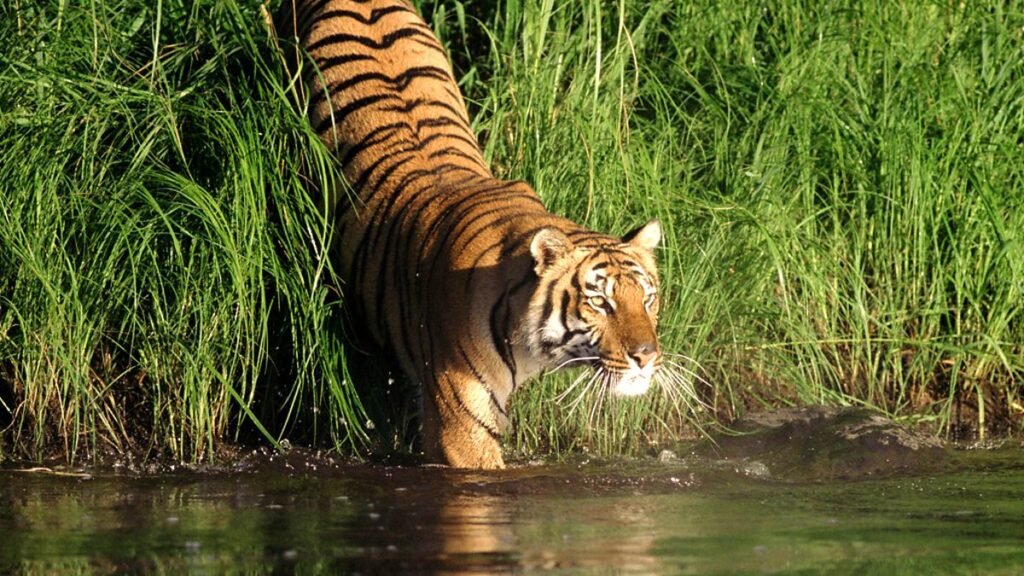
Sunderbans
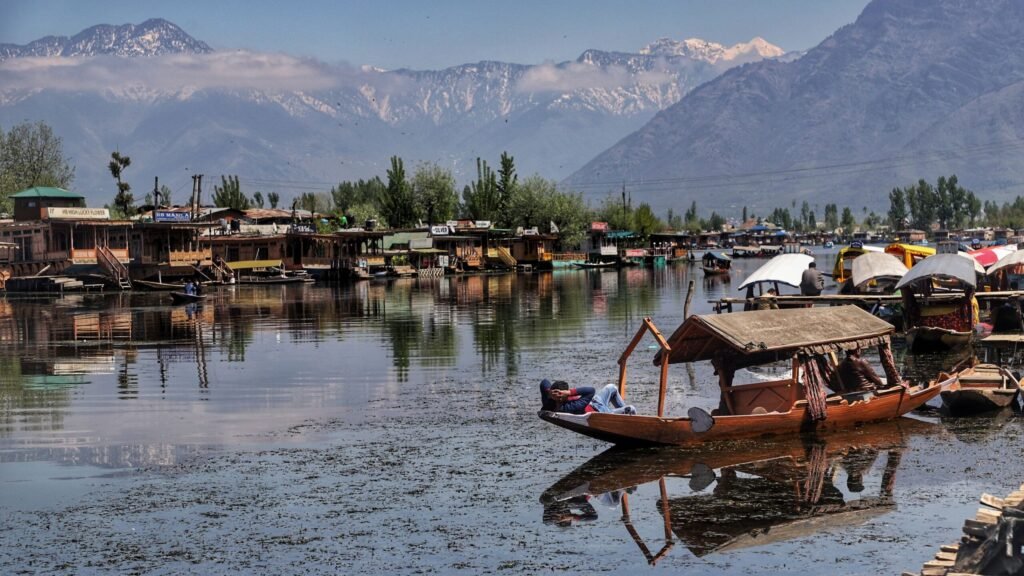
Srinagar – The Mesmerizing Lake City
Sam Sand Dunes Jaisalmer
The Town You Sleep In
Why the base town shapes a monsoon waterfall trip more than any single fall, what to look for, and towns in Karnataka, Kerala and Goa worth considering.
One village ghat upriver
Train versus road that week
Markets before the 20th, not on it
Journeys Worth Discovering
Explore inspiring destinations, memorable journeys and travel stories from across India and beyond.
Explore destinations




