
Dear reader,
Every January we try to begin the year somewhere that resets the eye. This year it had to be Lakshadweep, the small scatter of coral islands in the Arabian Sea that most Indians know from a map in a school atlas and very few have actually seen. It is India’s smallest Union Territory, a little over 30 square kilometres of land spread across dozens of islands, islets and reefs, and yet it holds more shades of blue than almost anywhere else in the country. When the islands suddenly became a national talking point at the start of 2024, our inbox filled with the same question: is it really as beautiful as the photographs, and can an ordinary traveller actually go? This issue is our long, careful answer.
Why Lakshadweep, and why now
Lakshadweep is not a destination you stumble into. You need an entry permit, you need a seat on a small aircraft or a berth on a ship from Kochi, and you need to accept that the islands run on their own rhythm, set by tides, weather and the timetable of the next vessel. That friction is exactly what has kept the lagoons clear and the beaches quiet. It is also why we wanted to publish an issue that is practical as well as dreamy. A place this fragile deserves visitors who arrive prepared and who leave it as they found it.
January is one of the kindest months to go. The south-west monsoon is long gone, the sea is generally calm, and the visibility under water is usually at its best between roughly November and April. Days are warm rather than punishing, and evenings on the sand come with a breeze that makes you forget the mainland entirely.
What is inside this issue
We open with the reef itself. Our snorkelling guide explains how the lagoons work, what you are likely to see in water barely waist-deep, and why you should never stand on coral, however tempting a rest may be. Flora and Fauna of Lakshadweep Islands goes deeper into the coconut groves, the sea birds, the turtles and the astonishing variety of reef fish that make these islands a living classroom.
Then we turn to people. Experience Lakshadweep’s Vibrant Culture and People introduces the island communities, their Malayalam and Mahl languages, their music, their boats and the coconut economy that shaped every village. Islands are never just scenery; they are homes, and the best trips here begin with that understanding.
Four beach stories follow, because in Lakshadweep each island has its own personality. Kavaratti, the capital, is busier and more lived-in than you might expect, yet its lagoon is still a revelation. Agatti, where the airstrip sits on a narrow ribbon of land, is the first glimpse most visitors get. Bangaram is the classic uninhabited island idea of paradise, and Kalpeni, with its islets and storm-built coral banks, feels like the far edge of the map.
We have also completed and refreshed Explore Lakshadweep, an older overview from our archive, so that it reads correctly for travellers today. And we have added two new features written for this issue. The first follows the one route that explains Lakshadweep: Kochi to Agatti to Kavaratti, and what each leg teaches you about the islands. The second is a three-day plan for Agatti and Bangaram that refuses to be a checklist and instead builds each day around the tide, the light and your own pace.
What surprised us
Putting this issue together, the thing that surprised our team most was not the colour of the water, though that never stops being startling. It was how much variety sits inside such a small territory. Minicoy, far to the south, has a culture and language closer to the Maldives than to Kerala, with its own tall lighthouse and its own traditions of seafaring. The northern islands of the Amindivi group have a different history again, shaped by centuries of trade with the Malabar coast. Even neighbouring islands differ in how they fish, what they cook and how their villages are laid out. Lakshadweep rewards curiosity. Ask the boatman about the names of the reefs, ask the cook how the tuna was caught, and you will learn more than any brochure can tell you.
We also noticed how quickly a day here slows down. There are no malls to browse and few roads long enough for traffic. Life moves between the mosque, the jetty, the coconut grove and the lagoon, and after a day or two your own clock starts to match it.
A word on travelling responsibly
Lakshadweep’s beauty is the product of a delicate balance. The islands rise only a couple of metres above the sea in many places, fresh water comes from thin underground lenses, and the reefs that protect the shoreline have suffered during marine heatwaves. Visitor numbers are deliberately managed, and rules on permits, alcohol, photography of certain installations and access to some islands exist for good reason. Please read the current guidance from the Lakshadweep administration before you book, carry back the plastic you bring, use reef-safe habits in the water, and dress and behave with the same courtesy you would show in any traditional village.
Plan with patience
Our biggest piece of advice is simple: build slack into your trip. Flights between Kochi and Agatti are few and small, ships can be rescheduled, and the sea always has the final word. If you plan for one extra day at either end, Lakshadweep will reward you with the calm that is its real luxury.
We have kept prices, timings and operator names out of these pages wherever they change often. Treat this issue as a map of possibilities and confirm every booking detail with official sources or your licensed tour operator before you travel.
Thank you
As always, thank you for reading Travel Viewpoint, for writing to us with your questions and corrections, and for travelling thoughtfully. If this issue convinces even a few readers to see coral with their own eyes rather than through a screen, and to protect it once they have, we will have done our job.
Here is to a year of slower, deeper journeys, starting with a lagoon so clear you can count the fish from the boat.
Warm regards,
Khushi Anand, Editor
More from Issue 57
- January 2024
- Snorkeling in Lakshadweep: An In-Depth Guide
- Flora and Fauna of Lakshadweep Islands
- Experience Lakshadweep’s Vibrant Culture & People
- Kavaratti Beach: A Peaceful Haven of Natural Beauty
- The Agatti Island Beach: A Tropical Wonder
- Bangaram Beach: An Oasis of Serenity
- Kalpeni Beach: An Enchanting Tropical Wonderland
- Explore Lakshadweep
- Kochi, Agatti, Kavaratti: The One Route That Explains Lakshadweep
- Three Days in Agatti and Bangaram, Not a Checklist
A quieter place beside the famous one: Tirthan Valley beside Kullu–Manali
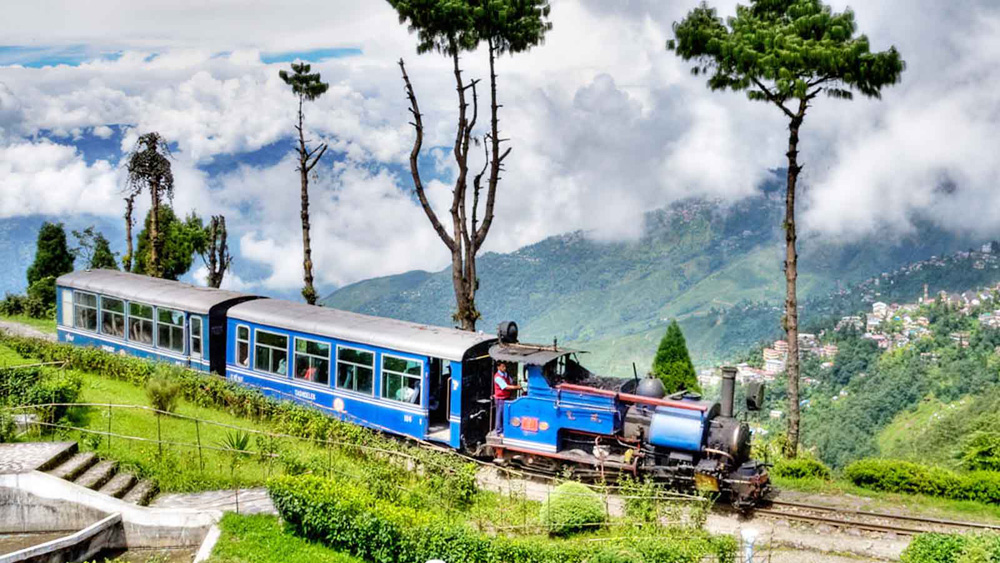
Darjeeling, the “Queen of Himalayas”

How to Prepare for a Monsoon Trek in India
The Town You Sleep In
Why the base town shapes a monsoon waterfall trip more than any single fall, what to look for, and towns in Karnataka, Kerala and Goa worth considering.
One village ghat upriver
Train versus road that week
Markets before the 20th, not on it
Journeys Worth Discovering
Explore inspiring destinations, memorable journeys and travel stories from across India and beyond.
Explore destinations




