
Lakshadweep is the worst possible place to rush. The islands are small, the distances between them are measured in boat hours, and the best moments come when you stop trying to tick things off. So this is not a checklist. It is a three-day shape for Agatti and Bangaram, built around the tide, the light and the pace of island life, with plenty of room left for doing nothing at all. Treat it as a framework and adjust it to your permit, your operator’s schedule and the weather on the day.
Before day one: arrive with slack
Most visitors reach Agatti on the short flight from Kochi. Plan to land around midday if the schedule allows and keep the afternoon free. Your permit, transfers and stay will usually have been arranged in advance, either through a government package or a licensed operator, and the first hour on the island is often spent sorting rooms and meeting your guide. Let it happen slowly. Drink water, change into light clothes and resist the urge to jump straight into a boat.
Day one: Agatti on foot and in the shallows
Late afternoon: the lagoon edge
Start where the island begins, at the water’s edge. Agatti’s lagoon is shallow and sheltered, and in the low sun its colours shift from pale green to deep turquoise within a few metres. Walk barefoot along the sand, watch the small crabs scatter, and notice the line of white surf far out where the reef breaks the ocean swell. That line is the reason the island exists, and once you have seen it you will look for it everywhere.
If the tide and your guide allow, a first gentle snorkel close to shore is a good way to test your mask and confidence. Even in shallow water you may see parrotfish grazing on coral, striped sergeant majors and tiny blue damselfish darting into crevices. Float, do not stand. Coral that looks like rock is a living animal, and a single step can break decades of growth.
Evening: the village
As the light fades, walk into the village with your guide or host. Agatti is a home before it is a destination. Families sit outside, children ride bicycles along the narrow lanes, and the call to prayer drifts across the palms. Dress modestly, greet people, and ask before taking photographs. Dinner is likely to feature fish, often tuna, with coconut in almost every dish. Ask what was caught that day and how it was cooked; it is the easiest way to start a conversation.
Day two: Bangaram and the open lagoon
Morning: the crossing
Day two belongs to Bangaram, the uninhabited island north of Agatti that has become the picture most people carry of Lakshadweep. Day trips and stays are typically arranged through authorised operators, and boat timings depend on tide and sea conditions, so follow your guide’s advice on when to leave. Mornings are usually calmer and brighter, which matters both for the crossing and for what you will see under water.
The boat ride is part of the day. Watch the water change colour as you pass from deep channels into the shallows of the lagoon. On a clear day you may see the shadows of coral heads below the hull, and if you are lucky a turtle surfacing to breathe or flying fish skipping ahead of the bow.
Midday: snorkelling and the sandbanks
Bangaram’s lagoon offers some of the most rewarding snorkelling in the territory. With a guide, drift over coral gardens where branching and table corals shelter clouds of small fish, and look for larger shapes at the edges: a moray peering out of a hole, a ray resting on the sand, a hawksbill or green turtle feeding. Wear a rash guard or T-shirt for sun protection rather than slathering on heavy sunscreen, which can harm the reef.
Between swims, walk the beach. Bangaram’s ring of sand is soft and blindingly white, and on some days your boat may stop at a nearby sandbank or islet that appears and changes with the tide. Sit in the shade of the palms, eat the packed lunch your operator provides, and let the afternoon stretch.
Late afternoon: the return
Head back before the light turns, unless you are staying overnight under your permit. On the return crossing the sun sits low over the sea and the islands become silhouettes. This is the moment many visitors remember most, more than any single fish or beach.
Day three: choose your own depth
The third day is deliberately open, because the right choice depends on you.
Option one: go deeper
If you are a confident swimmer and curious about diving, ask about a discover scuba session or a guided dive with a certified centre. Lakshadweep’s reef walls and channels are home to larger marine life, and visibility can be excellent in the calm season. Only dive with properly certified instructors, disclose any medical conditions honestly, and remember that you should not fly too soon after diving, so plan this around your departure time carefully.
Option two: stay on the surface
Kayaking across the lagoon in the early morning is a quiet joy. The water is glassy, the reef visible beneath you, and the only sound is your paddle. A glass-bottom boat ride is a good choice for non-swimmers or older travellers who still want to see the coral.
Option three: do nothing well
Find a patch of shade, read a book, watch the fishermen bring in their boats and the light move across the water. In a world that rewards constant motion, Lakshadweep’s greatest gift may be permission to be still.
Evening: a last walk
Whatever you choose, end the day with a final slow walk along the lagoon. Thank your hosts and guides, and take every piece of plastic you brought with you back to the mainland.
Practical notes
- Activities, timings and island access depend on your permit, operator and the weather; confirm each day’s plan the evening before.
- Carry enough cash, a basic first-aid kit, any personal medicines and a reusable water bottle.
- Pack a well-fitting mask, a rash guard, a hat and sunglasses.
- Respect local norms: modest dress in villages, no public drinking where it is restricted, and permission before photographing people.
- The calmest months are generally from about November to April; avoid the monsoon months if water activities are your priority.
Why three days is enough, and never enough
Three days on Agatti and Bangaram will not show you all of Lakshadweep, and it does not need to. It will show you a reef, a village and an empty island, and teach you how they fit together. Most people leave wishing they had stayed longer, which is exactly how a trip to these islands should end.
More from Issue 57
- January 2024
- Editor’s Letter: Lakshadweep, Where India Turns to Coral
- Snorkeling in Lakshadweep: An In-Depth Guide
- Flora and Fauna of Lakshadweep Islands
- Experience Lakshadweep’s Vibrant Culture & People
- Kavaratti Beach: A Peaceful Haven of Natural Beauty
- The Agatti Island Beach: A Tropical Wonder
- Bangaram Beach: An Oasis of Serenity
- Kalpeni Beach: An Enchanting Tropical Wonderland
- Explore Lakshadweep
- Kochi, Agatti, Kavaratti: The One Route That Explains Lakshadweep
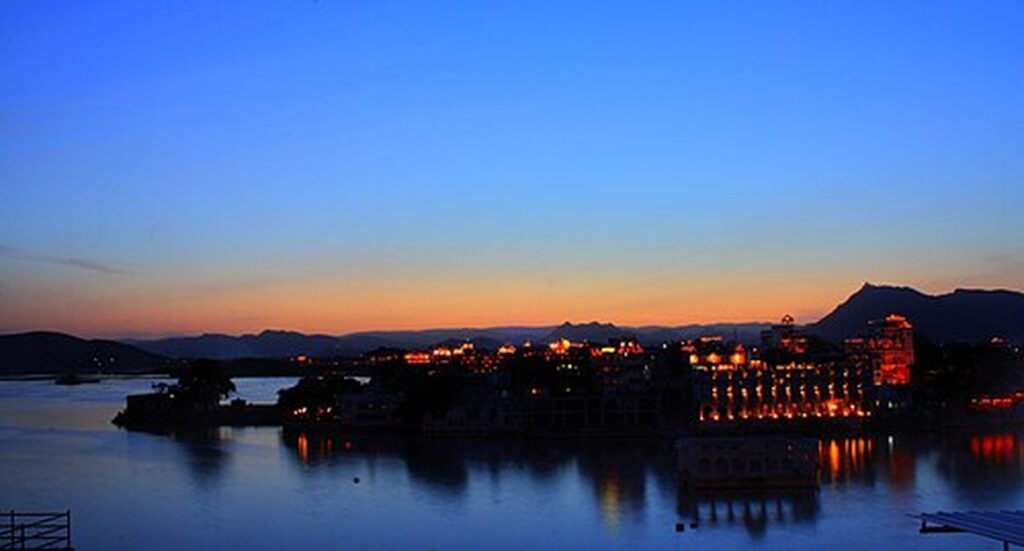
Chasing the Golden Hour Across the Ghats and Palaces

Let’s Explore Goa!
September 2022
The Town You Sleep In
Why the base town shapes a monsoon waterfall trip more than any single fall, what to look for, and towns in Karnataka, Kerala and Goa worth considering.
One village ghat upriver
Train versus road that week
Markets before the 20th, not on it
Journeys Worth Discovering
Explore inspiring destinations, memorable journeys and travel stories from across India and beyond.
Explore destinations




