
Dear reader,
There is a particular sound I associate with September. It is the sound of rain on a tin roof in a Sahyadri village, after a long day of walking, while someone in the kitchen pats bhakri dough and a pot of tea comes to the boil. It is the sound of a season that has asked a lot of us, and given back even more. This issue of Travel Viewpoint is devoted to that season, and to the strange, joyful habit of walking into it on purpose: the monsoon trek.
Why we walk in the rain
For most of the year, travel is about getting somewhere. The monsoon changes that. Paths turn to streams, cloud swallows the view you came for, and every step needs attention. And yet, for millions of Indians, the first heavy rains are a signal to lace up their shoes. In Maharashtra, weekend trains to Lonavala and Karjat fill with walkers. In Karnataka, groups set out for the shola grasslands of the Western Ghats. In the Himalaya, the alpine meadows burst into flower.
I think we walk in the rain because the monsoon makes everything feel new. Familiar hills become unrecognisable, waterfalls appear where there were only rocks a month ago, and the colour green takes on a hundred new shades. You cannot hurry a monsoon trek; the season sets the pace, and in doing so it teaches you to slow down. That, more than any summit, is what we bring home.
What is in this issue
We begin with a few favourites already on our pages: ten monsoon treks to attempt before the season ends, the classic Harishchandragad climb in Maharashtra, the case for Tadiandamol in Kodagu, our guide to preparing for a monsoon trek, gentle first trails for new hikers, and a photographer’s guide to India’s green season.
This month we add four new stories. Our route feature takes you to Rajmachi, the twin forts above Lonavala and Karjat, which we believe is the single trail that explains monsoon trekking best: the train ride, the village meal, the fort in the clouds. We then travel north to Uttarakhand for three slow days on the Valley of Flowers trail, written not as a checklist but as an invitation to linger in September’s softer light.
For first-timers, we have put together an honest list of what to skip, from new boots and cotton jeans to crowded Sunday trails and waterfall selfies. And for those who want solitude, we take you to Andharban, the “dark forest” near Tamhini, a quiet alternative to the busy viewpoints of Lonavala.
A word about safety
I must say this plainly, because every monsoon brings sad news. Rain makes mountains more beautiful and more dangerous. Water rises quickly, rock grows slippery, and cliff edges can crumble. Please check weather warnings and local advisories before you set out, respect closures, go with experienced companions or reputable organisers, and never take risks for a photograph. A great trek is one that you come home from.
I also want to ask you to tread lightly. Monsoon trails pass through villages, farmland and some of the richest forests on earth. Carry your rubbish home. Keep music off. Pay fairly for the meals and stays that villagers offer. Ask before taking pictures of people. The hills will only stay beautiful if we treat them well.
The people who make the trails
Behind every good monsoon trek there are people we rarely write about. The villagers who cook for walkers, often in kitchens no bigger than a cupboard. The local guides who know which stream will rise after an afternoon storm. The forest guards who close a trail on a dangerous day and take the criticism for it. The trekking leaders who count heads at every junction and carry the extra water nobody else packed. When I think about what makes the Sahyadri and the Himalaya so special in the rain, it is as much these people as the landscape.
So this month I have one small request. On your next trek, learn the name of someone who helped you along the way: the woman who served you tea, the boy who pointed out the path, the guide who waited for the slowest walker. Thank them properly. Tip fairly where it is appropriate. Leave the village a little better for your visit. Travel, at its best, is an exchange, and the monsoon is the season when we owe the most.
The joy of not seeing the view
One of my favourite memories from years of monsoon walking is a day when we reached the top of a fort and saw absolutely nothing. Cloud pressed in from every side. We stood there, soaked, laughing, sharing a packet of biscuits, and then the wind tore a hole in the cloud for perhaps thirty seconds. The valley below appeared, impossibly green, threaded with waterfalls, and then it was gone. I have seen many clearer views since, but none that I remember as vividly.
That is the spirit of this issue. Go for the walk, not the view. Let the rain wash away your plans. Eat what the village cooks. Come back muddy and happy.
Looking ahead
September is the last full month of the trekking monsoon in much of India, and the turn of the season is already in the air. Next month, our October issue turns to Dussehra, the festival that tells the story of good triumphing over evil in a dozen different ways across the country, from the royal procession of Mysuru to the gathering of deities in Kullu and the forest rituals of Bastar. I hope you will join us.
Until then, as always, thank you for travelling with us. Write to us about your own monsoon walks; we read every letter, and the best ones remind us why we do this.
Pack light, start early, and let the clouds decide what you see. The hills have been waiting all year for you, and they will reward the patience you bring to them.
With warm wishes and wet shoes,
Khushi Anand, Editor
Travel Viewpoint
More from Issue 65
- September 2024
- 10 Monsoon Treks in India to Conquer Before the Season Ends
- Harishchandragad Trek: A Monsoon Dream in Maharashtra
- Why Monsoon is the Best Time to Trek Tadiandamol – Karnataka’s Hidden Gem
- How to Prepare for a Monsoon Trek in India
- Easy Trails to Start Your Hiking Journey
- Monsoon Treks for Photographers: Capturing India’s Green Glory
- Rajmachi from Lonavala: The One Route That Explains Monsoon Trekking
- Three Days on the Valley of Flowers Trail, Not a Checklist
- What to Skip on Your First Monsoon Trek
- Andharban: A Quieter Monsoon Forest Beside Busy Lonavala
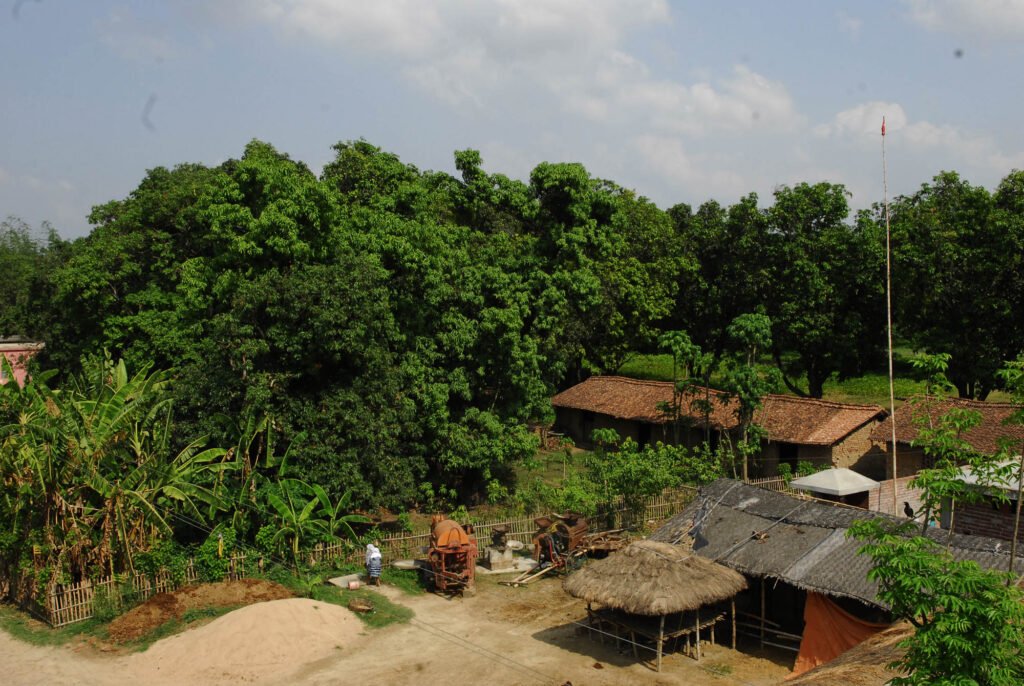
Explore Bihar & Jharkhand!
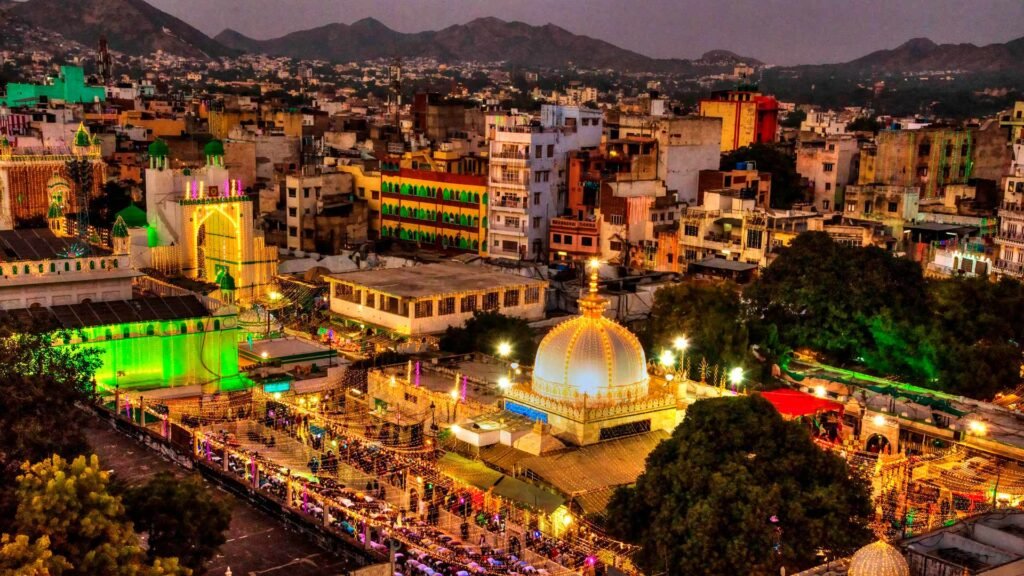
Meet The Sacred Town “Ajmer”
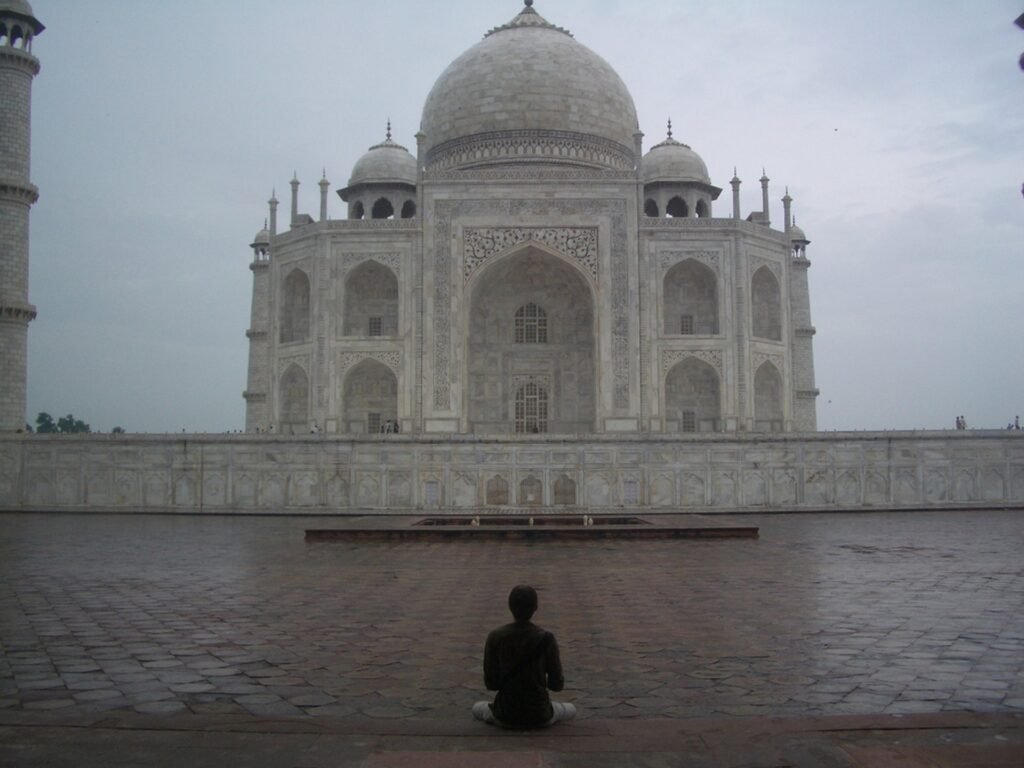
Visiting Taj Mahal in monsoons is always a good idea!
The Town You Sleep In
Why the base town shapes a monsoon waterfall trip more than any single fall, what to look for, and towns in Karnataka, Kerala and Goa worth considering.
One village ghat upriver
Train versus road that week
Markets before the 20th, not on it
Journeys Worth Discovering
Explore inspiring destinations, memorable journeys and travel stories from across India and beyond.
Explore destinations




