
Most guides to the Valley of Flowers read like a list: reach Govindghat, walk to Ghangaria, see the valley, climb to Hemkund Sahib, go home. All of that is true, and all of it misses the point. This is a trek that rewards slowness, especially in September, when the great July and August bloom begins to fade and the valley turns into a quieter, more golden version of itself. Here is how we would spend three days there, with room to breathe.
Before you go: the shape of the trek
The Valley of Flowers National Park lies in the Chamoli district of Uttarakhand, high in the Garhwal Himalaya. Together with the Nanda Devi National Park, it is inscribed as a UNESCO World Heritage Site. The valley itself is a glacial corridor a few kilometres long, carpeted in summer with hundreds of species of alpine flowers.
The usual starting point is Govindghat, on the road to Badrinath beyond Joshimath. From the road head a few kilometres beyond Govindghat, a well-used trail climbs roughly ten kilometres to Ghangaria, the only village base for the trek. Overnight camping inside the valley is not permitted, so every visit to the valley is a day trip from Ghangaria. The park typically opens in early June and closes around the end of October, but dates and rules can change, so check with the Uttarakhand forest department before you plan. An entry permit is issued at the forest checkpoint; confirm the current fee and rules on arrival.
Reaching Govindghat usually means a long road journey from Rishikesh or Haridwar, often broken overnight at Joshimath or a nearby town. Monsoon landslides can close this road for hours or longer, so build a spare day into your plan.
Day one: the walk to Ghangaria
Start early from the road head. The trail follows the Pushpawati and Laxman Ganga rivers, climbing steadily through forest, past waterfalls and small tea stalls. You will share the path with pilgrims heading to Hemkund Sahib, many of them on foot, some on mules, and the mood is cheerful and communal. Greet people, step aside for the animals, and do not rush.
This is the day to listen to your body. Ghangaria sits at roughly three thousand metres, and you are climbing from much lower. Walk slowly, drink plenty of water, and resist the temptation to keep going once you arrive. Spend the evening wandering the single lane of the village, drinking hot tea, and watching the clouds slide down the mountains. An unhurried first day is the best protection against altitude sickness.
Day two: a full day in the valley
Leave Ghangaria after breakfast and walk to the forest checkpoint at the valley entrance. The climb from here is a few kilometres to the edge of the valley proper, crossing a bridge over the Pushpawati and passing through birch and rhododendron before the land opens up.
In September, the valley is changing. Some of the high-summer flowers have gone to seed, and the grasses begin to turn amber, but there is still plenty in bloom, especially in the higher, wetter corners. Look for wild geraniums, primulas, balsams, and if you are fortunate, a late blue poppy. The real gift of September is light: the monsoon clouds lift more often, revealing the snowy ridges that close the head of the valley.
Do not try to cover the whole valley. Instead, choose a point, perhaps the memorial to Joan Margaret Legge, the British botanist who died here in 1939 while collecting plants, and walk there slowly, stopping often. Sit by a stream. Eat a packed lunch. Notice the bees, the butterflies, the way the light moves across the slopes. The valley was made famous in the West by mountaineer Frank Smythe, who stumbled upon it in 1931 and later wrote about it; read a passage from his book before you go, and the day will feel richer.
Valley visits must end in the afternoon, as rangers ask visitors to leave before closing time. Head back to Ghangaria in good time.
Day three: Hemkund Sahib, or rest
The steep trail from Ghangaria to Hemkund Sahib climbs around six kilometres to a glacial lake at well over four thousand metres. The gurdwara beside the lake is one of the most sacred sites in Sikhism, and the Lakshman temple stands nearby. The climb is demanding at this altitude, and you should only attempt it if you have acclimatised well and feel strong. Along the upper reaches, look for the Brahma Kamal, the sacred flower of Uttarakhand, which blooms in this season.
If you feel tired, there is no shame in skipping it. Spend the morning in Ghangaria instead, then walk down to the road head in the afternoon. Either way, the descent is quicker than the climb but hard on the knees, so use trekking poles.
Why September is our favourite month
July and August bring the most flowers, but also the heaviest rain, the most landslides and the biggest crowds. September is a compromise that suits slow travellers. The valley is still green, the bloom is still there in places, the paths are less busy, and the views tend to open more often. Be ready for cold mornings and occasional showers.
Practical notes for a slow trek
- Book stays in Ghangaria in advance during busy weeks; options are simple guesthouses and lodges.
- Carry a warm layer, a rain jacket, and waterproof covers for your pack.
- Do not pick flowers or leave the marked path. The valley is a fragile, protected ecosystem.
- Carry your rubbish back down with you.
- Keep a buffer day for road closures on the way in or out.
- Consult a doctor before the trek if you have heart, lung or blood pressure concerns.
Not a checklist
The Valley of Flowers is not something to tick off. It is a place to sit in, to look closely at, and to leave as you found it. Three days are enough if you use them slowly. Arrive, acclimatise, wander, and let the mountains decide how much they want to show you.
More from Issue 65
- September 2024
- Editor’s Letter: Monsoon Trek, the Season That Teaches You to Walk Slowly
- 10 Monsoon Treks in India to Conquer Before the Season Ends
- Harishchandragad Trek: A Monsoon Dream in Maharashtra
- Why Monsoon is the Best Time to Trek Tadiandamol – Karnataka’s Hidden Gem
- How to Prepare for a Monsoon Trek in India
- Easy Trails to Start Your Hiking Journey
- Monsoon Treks for Photographers: Capturing India’s Green Glory
- Rajmachi from Lonavala: The One Route That Explains Monsoon Trekking
- What to Skip on Your First Monsoon Trek
- Andharban: A Quieter Monsoon Forest Beside Busy Lonavala

Enjoy Adventure Sports in Rishikesh
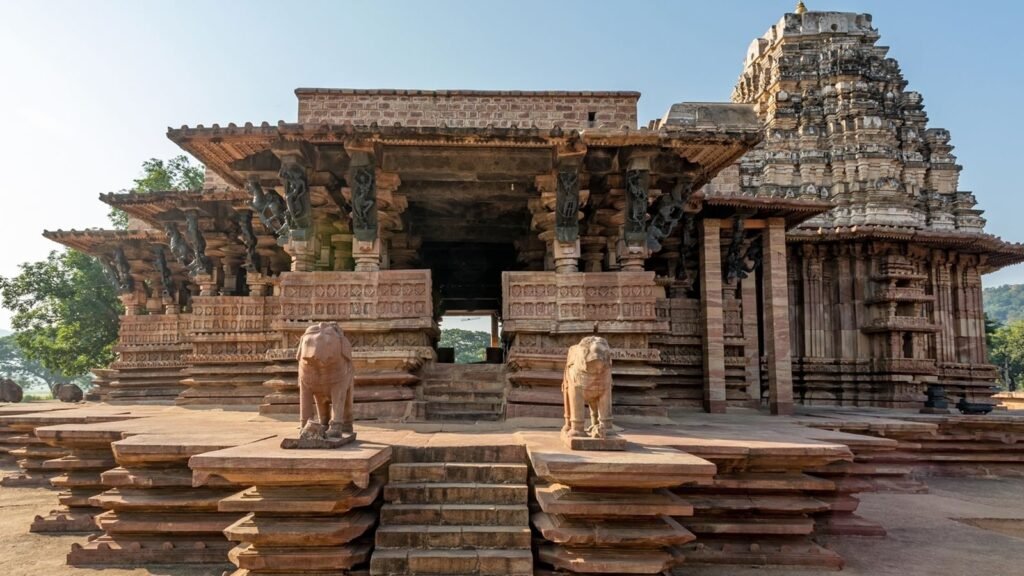
The Ramappa Temple in Telangana
June 2019
The Town You Sleep In
Why the base town shapes a monsoon waterfall trip more than any single fall, what to look for, and towns in Karnataka, Kerala and Goa worth considering.
One village ghat upriver
Train versus road that week
Markets before the 20th, not on it
Journeys Worth Discovering
Explore inspiring destinations, memorable journeys and travel stories from across India and beyond.
Explore destinations




