
Dear reader,
I have wanted to make a Spiti issue for a long time, and I have put it off for almost as long.
Part of the reason was simple: Spiti is hard to write about well. It is a place that has been photographed to exhaustion, described in breathless captions and reduced, too often, to a list of things to tick off. The monastery on the hill. The highest post office. The fossil village. The road that tries to kill you. All of those things exist, and some are wonderful, but none of them is Spiti.
The other reason was that I was not sure we should add to the noise. Spiti has changed a great deal in recent years. More visitors arrive every summer, more vehicles climb the passes, more homestays open in more villages. Some of that change has been good for the people who live there. Some of it has put real pressure on water, waste and the patience of communities who did not ask to become a destination. Another magazine telling readers to rush to Spiti felt like the last thing the valley needed.
So we decided that if we were going to do this issue, we would do it differently.
Slow, on purpose
This issue is not a guide to seeing everything in Spiti. It is a guide to seeing a little of Spiti properly. Every piece in it argues, in one way or another, for slowing down.
Slowing down in Spiti is not just a matter of taste. It is a matter of safety. The valley sits at altitudes where the body needs time to adjust, and a schedule that does not allow for that is a schedule that can make people seriously ill. The roads are long, rough and subject to weather, landslides and closures. A plan with no margin is a fragile plan.
But slowing down is also simply the better way to travel here. The joy of Spiti, for me, has always been in the small hours: a morning cup of tea in a village kitchen, the sound of prayer flags in the wind, the moment the sun clears the ridge and the whole valley turns gold. You do not get those moments by driving from one viewpoint to the next.
What we left out
You will notice that this issue does not include a “top ten things to do in Spiti” list. It does not rank monasteries or villages. It does not tell you the fastest way to do the circuit. It does not include prices or exact opening dates, because they change and because we would rather you checked them yourself than trusted a figure that might be wrong.
We also left out drones. Our final piece explains why.
What we kept in
We kept in the road, because the road is the trip. We kept in a town, a village homestay and a side valley, because those are where you will actually spend your time. We kept in the practical page on permits, fuel and the hours without a phone signal, because those details can make or break a journey.
We kept in a rest day, because it is the most important day of any Spiti itinerary and the one most often cut.
And we kept in a guest post from a traveller who turned back. I think it may be the most important piece in the issue. We celebrate summits and passes and long drives. We rarely celebrate the decision to stop. In the mountains, turning back is often the bravest and wisest thing a traveller can do, and I wanted that story told.
Why now
Some readers have asked why we chose to publish a Spiti issue at all, given these concerns. My honest answer is that people are going anyway, in growing numbers, and many of them go with very little information about altitude, roads or the communities they are visiting. If a slower, more careful kind of travel is going to take root, it helps to describe it clearly and to make the case for it. That is what we have tried to do.
We have also tried to be honest about what we do not know. High-altitude conditions change from year to year. A pass that opened early last summer may open late this one. A road that was smooth may have been washed out. Rules on permits and access may shift. Wherever we were unsure, we have said so, and we have pointed you to the people best placed to give you current information: local authorities, your hosts and your drivers.
What I hope you feel
More than any fact or tip, I hope this issue leaves you with a feeling. The feeling of standing in a cold, bright morning above a river you can barely hear, with nowhere you need to be. That feeling is available to anyone who goes to Spiti with time to spare. It is not available to anyone in a hurry.
I also hope it leaves you with a little humility. Spiti is a place where the mountains are in charge, and where the people who live there have learned over generations how to live within the limits the land sets. Visitors would do well to learn the same lesson, even if only for a week or two.
A request
If you go to Spiti after reading this issue, I have a few small requests.
Stay longer than you planned. Book a homestay run by a local family. Carry your waste out of the valley. Refill a bottle instead of buying plastic. Ask before you photograph people, and accept a no. Dress modestly in monasteries and villages. Drive slowly, give way on narrow roads and never drive after dark if you can help it.
And if you feel unwell at altitude, descend. No view is worth your health.
Thank you
This issue would not exist without the travellers, drivers and hosts who shared their experiences with us, and the readers who have written over the years with corrections, questions and stories of their own. Thank you. Please keep writing. When something in these pages goes out of date, and it will, we want to know.
I hope this issue gives you a reason to go to Spiti slowly, or, if you cannot go, a sense of what it is like to be there when you are not in a hurry.
With warm wishes from all of us at Travel Viewpoint,
Khushi Anand, Editor
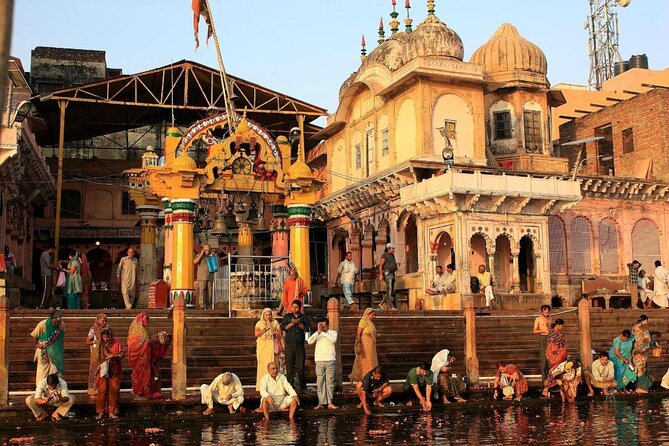
Mathura – Where Legends Embrace Divinity

Kedareshwara Temple in Karnataka
Hornbill index
The Town You Sleep In
Why the base town shapes a monsoon waterfall trip more than any single fall, what to look for, and towns in Karnataka, Kerala and Goa worth considering.
One village ghat upriver
Train versus road that week
Markets before the 20th, not on it
Journeys Worth Discovering
Explore inspiring destinations, memorable journeys and travel stories from across India and beyond.
Explore destinations




