
January is one of the finest months to travel in India, but it is also one of the busiest. Good weather across much of the country, school holidays, weddings and a calendar full of festivals mean that trains fill up, popular hotels sell out and roads get crowded. The difference between a smooth January trip and a stressful one usually comes down to the practical details: where you stay, what you eat and how you actually move around. This guide pulls together what we have learned from many January journeys across India.
Getting around: trains, flights and roads
Trains remain the most rewarding way to travel long distances in India. They connect almost every corner of the country, and an overnight sleeper can save a hotel night while delivering you to your destination in the morning. In January, however, demand is high. Book as early as you can through Indian Railways’ official booking platform or authorised agents, and choose your class according to comfort and budget. Air-conditioned classes are comfortable for overnight trips; in the north in January, you may be glad of the bedding provided.
A word of warning for the north: dense fog in January can delay trains, sometimes significantly, across the Indo-Gangetic plains, including routes around Delhi, Uttar Pradesh, Bihar and Punjab. Build buffer time into your plans and avoid tight connections.
Flights are the fastest way to cover long distances, and India’s domestic network is extensive. Fog can also affect flights at northern airports in early mornings, so morning departures from cities such as Delhi carry a higher risk of delays. Keep an eye on airline updates and allow extra time.
Roads are improving rapidly, with expressways and highways linking many major destinations. Hiring a car and driver for regional travel is common and convenient, especially in Rajasthan, Madhya Pradesh and Kerala. Agree the itinerary, daily hours and costs clearly in advance. Avoid long night drives, particularly in foggy regions.
In cities, metro systems in places like Delhi, Mumbai, Bengaluru, Kolkata, Chennai, Jaipur and others are clean and efficient ways to beat traffic. App-based cabs and auto-rickshaws are widely available in larger cities. For short trips elsewhere, agree auto-rickshaw fares before you set off.
Where to stay: choose for the season
January is peak season in many destinations, so book key stays early, especially for weekends, festival dates and the busiest weeks around the New Year. Some practical points:
- In the north, check whether rooms have heating. Old havelis and heritage buildings are beautiful but can be cold in January. Ask about heaters, hot water and extra blankets.
- In the desert, camps can be very cold at night. Look for well-run camps with proper bedding and avoid places that cut corners on comfort or safety.
- In the hills and Himalayas, confirm road access, heating and backup power, as snow can affect routes and electricity supply.
- In the south and on the coasts, January is pleasant, and beach destinations and hill stations like Munnar, Ooty and Coorg are popular. Book early for good-value stays.
Across India, homestays offer a wonderful way to experience local life, often with home-cooked meals and hosts who know the area intimately. Heritage hotels let you sleep in history. State tourism properties are often well located and reasonably priced. Whatever you choose, look for places that treat their staff well, manage waste responsibly and support the local community.
What to eat: January is a feast
Winter is a wonderful season for food in India. Markets overflow with fresh produce, and many regional dishes are at their best.
- North India: Sarson ka saag with makki ki roti is a winter classic in Punjab and beyond. Gajar ka halwa, made with winter carrots, is everywhere. Hot jalebis, rich lassi and countless roadside parathas will keep you warm. Look for til (sesame) and gur (jaggery) sweets around Lohri and Makar Sankranti.
- Rajasthan: Dal baati churma, ker sangri and bajra rotis with garlic chutney are hearty and satisfying on cold desert nights.
- Gujarat: Undhiyu, a mixed winter vegetable dish, is closely associated with Uttarayan and the winter season, often eaten with puris and jalebis.
- South India: Pongal, the dish of rice and lentils that shares its name with Tamil Nadu’s harvest festival, is a must-try in mid-January. Kerala’s appam and stew, Karnataka’s jolada rotti meals and Chettinad cuisine are all superb.
- East and Northeast: In West Bengal, winter brings nolen gur (date palm jaggery) sweets. In Assam, Magh Bihu is celebrated with feasts and traditional rice-based treats such as pitha.
Eat freshly cooked food from busy places where turnover is high. Drink filtered or bottled water and carry a reusable bottle; many hotels offer refills.
What to pack for January
- For the north and hills: warm layers, a down or wool jacket, thermals, a cap, gloves and a scarf.
- For the desert: layers for warm days and very cold nights.
- For the south and coasts: light cotton clothes, a hat, sunscreen and sunglasses.
- Everywhere: a shawl or scarf for temple visits, comfortable walking shoes, a reusable water bottle, any personal medicines and a power bank.
Budgeting without surprises
Prices vary widely by destination, season and travel style, so we will not quote figures here. January is high season in many places, so expect higher rates for stays and transport, particularly around the New Year, festivals and long weekends. Booking early, travelling mid-week and choosing smaller towns over famous hotspots can all help. Always confirm what is included in hotel rates and tour packages.
Travelling responsibly in January
The choices in this guide can all be made responsibly. Take trains where practical. Stay in locally owned guesthouses and homestays. Eat local food and buy directly from artisans. Respect festivals as religious and cultural occasions, dress modestly at places of worship, and ask before photographing people. Carry your rubbish out and say no to single-use plastic wherever you can.
A simple January planning checklist
- Choose one region and two or three bases.
- Book key trains, flights and stays early.
- Allow buffer time for fog in the north.
- Check heating in the north and bedding in desert camps.
- Plan around festivals: enjoy them, but expect crowds.
- Pack layers for cold mornings and nights.
Get the practical details right, and January in India will reward you with some of the best travel experiences of the year.
More from Issue 69
- January 2025: Inside This Issue
- Editor’s Letter: January, and Beginning the Year on the Road
- Best Places in India to Witness Snowfall This January
- Budget Trips You Can Take in India This January Without Breaking the Bank
- Offbeat January Travel Ideas for the Curious Wanderer
- The Great January Escape: Where to Begin the Year Right
- Best Spiritual Places to Visit in India in January for Peace and Renewal
- Jodhpur to Jaisalmer: The One Route That Explains January in India
- Three Days in Hampi in January, Not a Checklist
- What to Skip on Your First January Trip in India
- Orchha: A Quieter Bundelkhand Beside Khajuraho
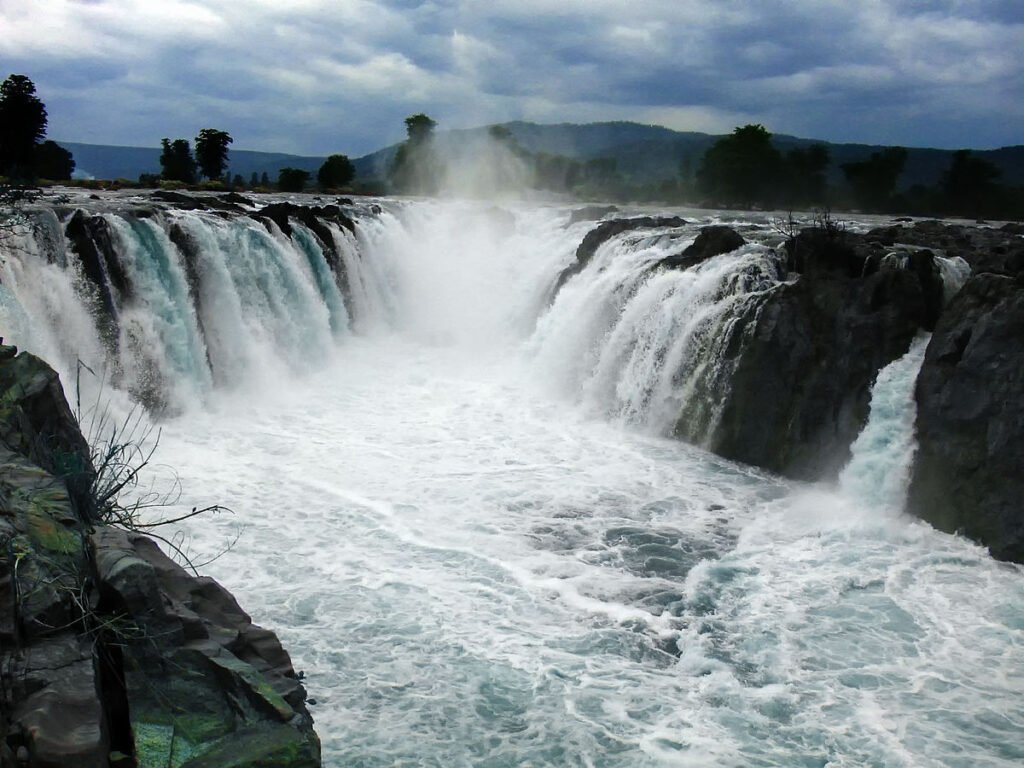
Hogenakkal ‘smoking rock’
Protected-Area Permit Notes

Tikona Fort Trek, Maharashtra
The Town You Sleep In
Why the base town shapes a monsoon waterfall trip more than any single fall, what to look for, and towns in Karnataka, Kerala and Goa worth considering.
One village ghat upriver
Train versus road that week
Markets before the 20th, not on it
Journeys Worth Discovering
Explore inspiring destinations, memorable journeys and travel stories from across India and beyond.
Explore destinations




