
The destinations are the easy part. Most of the stress of an international trip comes from the practical layer underneath it: what you will eat, where you will sleep, and how you will get from one place to the next. In March, when much of the northern hemisphere moves from winter into spring, that layer changes a little. Here is a practical guide to food, stays and transport for travelling abroad this month, drawing on the destinations in this issue: Japan, Southeast Asia, southern Europe and North Africa.
Food: eat with the season
March is a wonderful month for food travel because spring produce is starting to arrive and many cultures mark the season at the table.
In Japan, spring is celebrated with sakura-flavoured sweets, sakura mochi wrapped in salted cherry leaves, bento boxes designed for hanami picnics, and early spring vegetables. Department store food halls, known as depachika, and convenience stores are excellent, affordable places to assemble a picnic. Many restaurants in Japan have set lunch menus that are far better value than dinner.
In southern Spain, March brings artichokes, broad beans and wild asparagus, and as Holy Week approaches, seasonal sweets such as torrijas, a kind of fried bread soaked in milk or wine and honey, begin to appear in bakeries. Eat the Spanish way: a late lunch, a light evening of tapas, and dinner much later than most Indian travellers are used to.
In Morocco and other Muslim-majority countries, Ramadan in 2025 falls across most of March. Many local restaurants close during the day, while hotels and tourist-oriented places generally keep serving. At sunset, the fast is broken with iftar, often starting with dates, milk or water, and, in Morocco, harira soup and sweet pastries such as chebakia. If you are invited to share iftar, it is a generous gesture; accept with gratitude.
In Southeast Asia, March is fruit season in many places, with mangoes starting to appear in markets. Street food is a highlight, but follow sensible rules: eat where locals queue, choose food that is cooked fresh in front of you, and be careful with ice and tap water where advised.
Food tips for Indian travellers
Vegetarian travellers will find options easier in some places than others. Southern Spain and Morocco have many vegetable dishes, though meat or fish stock can be hidden in soups and stews. In Japan, dashi, a fish-based stock, is in a great many dishes, so strict vegetarians should look for Buddhist temple cuisine, shojin ryori, or dedicated vegetarian restaurants. Learning to say “I am vegetarian” in the local language, or carrying a card that explains your diet, helps a great deal.
Indian restaurants exist in most major cities, and many travellers find that a single Indian meal halfway through a long trip is a comfort. But try to eat locally most of the time; it is one of the great pleasures of travel.
Stay: book early for the peaks, flexibly for the rest
March has a few predictable peaks. Japan’s cherry blossom season, from late March into April, is one of the busiest times in the country, and hotels in Kyoto and Tokyo can fill months in advance. Holy Week in Spain falls in April in 2025, but the build-up starts earlier in some cities. School holidays in various countries can also affect demand.
For these peaks, book early, and choose bookings with free cancellation where possible so you can adjust if bloom forecasts shift. For less busy places and times, you can book closer to your dates.
Think about the kind of stay that suits each place:
- In Japan, a mix of business hotels for convenience and one night in a ryokan, a traditional inn, gives a sense of both modern and traditional Japan.
- In Morocco, staying in a riad, a traditional house built around an interior courtyard, is one of the great pleasures of a visit to Marrakech or Fes.
- In Spain, small family-run hotels and apartments in historic centres put you within walking distance of most sights.
- In Southeast Asia, guesthouses and boutique hotels offer good value, and beach bungalows are popular in island areas.
Location matters more than luxury. A modest hotel near a train station or in a walkable old town will save you time, money and energy every single day.
Getting around: trains, buses and your own two feet
In Japan, the rail network is excellent. Shinkansen bullet trains link major cities, and local and private lines reach smaller towns. The national Japan Rail Pass has changed in price and structure in recent years, so calculate whether it actually saves money for your route before buying. For city travel, a rechargeable IC card such as Suica or ICOCA is simple to use on trains, subways and buses.
In Spain, high-speed AVE and other trains link major cities, including the Seville, Córdoba and Madrid corridor. Buses are useful for smaller towns. Booking train tickets in advance often brings lower fares.
In Morocco, the national rail operator runs trains between major cities, including a high-speed line between Tangier and Casablanca. For places off the rail network, long-distance coaches and shared taxis are common. In medinas, you will mostly walk.
In Southeast Asia, budget airlines, overnight buses, trains and ferries all play a role. Ride-hailing apps are widely used in many cities and can make it easier to avoid fare disputes.
Wherever you go, walking is the best way to understand a place. March weather is usually ideal for it, so pack comfortable shoes and build walking time into every day.
Money and connectivity
Carry more than one way to pay, and check whether your cards charge foreign transaction fees. Some places, including parts of Japan, still prefer cash for small purchases, while others are moving rapidly towards card and mobile payments. A local SIM or an international eSIM makes navigation, translation and ride-hailing apps much easier to use.
Travel insurance and documents
Before any international trip, buy travel insurance that covers medical treatment, cancellations and lost luggage. Keep digital and paper copies of your passport, visas, insurance and key bookings. Visa rules for Indian passport holders vary widely and change from time to time, so always check official sources.
The practical heart of a good trip
When the practical side is handled, the trip itself becomes lighter. You can wander into a market without worrying about lunch, catch a train on a whim, or linger in a café because you know your bed for the night is waiting. Get the food, stay and transport right, and March will do the rest.
More from Issue 71
- March 2025: Inside This Issue
- Editor’s Letter: March, the Month the World Opens Its Doors
- Affordable International Destinations with Perfect March Weather
- Why Japan’s Early Cherry Blossoms Make March a Dream
- Explore Southeast Asia with Less Rain, More Fun
- Cultural Experiences in Morocco, Spain & Egypt This Month
- Packing Tips & Travel Hacks for March Travel Abroad
- Seville to Marrakech: The One Route That Explains March Travel
- Three Days in Kyoto at Blossom Time, Not a Checklist
- What to Skip on Your First March Trip Abroad
- Nara: A Quieter Spring Beside Kyoto
Pemayangtse Before the Coaches

Khecheopalri Lake, Pelling
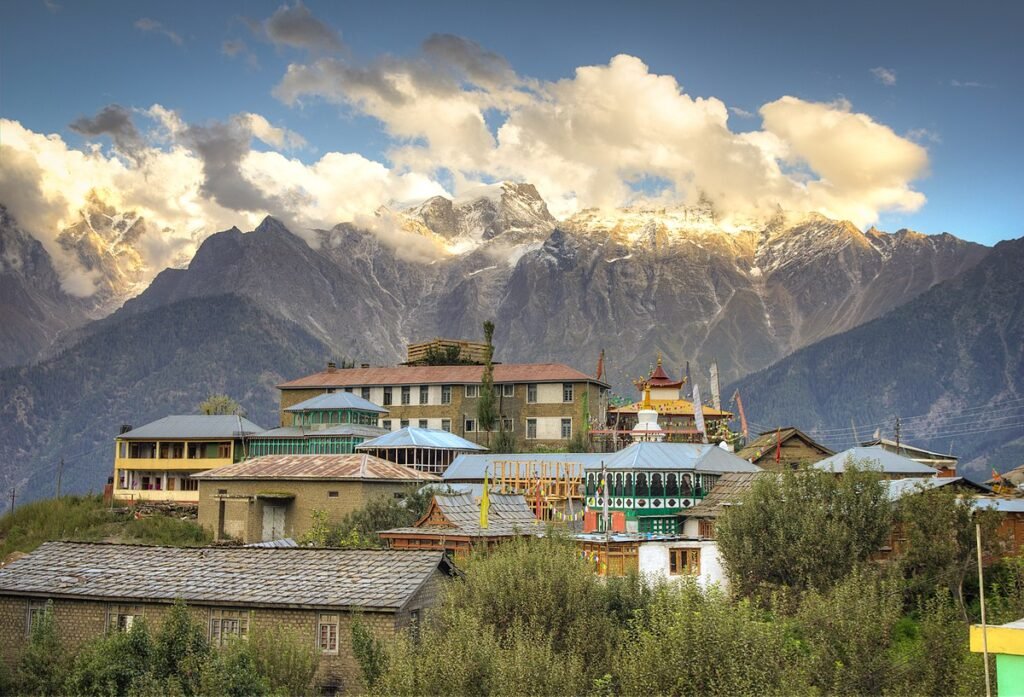
The Kalpa Village in Kinnaur, Himachal Pradesh
The Town You Sleep In
Why the base town shapes a monsoon waterfall trip more than any single fall, what to look for, and towns in Karnataka, Kerala and Goa worth considering.
One village ghat upriver
Train versus road that week
Markets before the 20th, not on it
Journeys Worth Discovering
Explore inspiring destinations, memorable journeys and travel stories from across India and beyond.
Explore destinations




