
Most of India’s great forts are museums now. You buy a ticket, follow an arrow, read a placard and leave. Jaisalmer’s Sonar Qila is different, and the difference is the whole reason to come. Inside its honey-coloured walls people still live, cook, pray, argue about cricket and hang washing from carved balconies that are several centuries old. It is usually described as one of the very few “living forts” left anywhere, and a few hours inside it in the cool of a February morning will tell you why that phrase matters.
This piece is not about the fort’s statistics. Our existing guide to Jaisalmer Fort covers the history and the gates. This is about how to be a good guest in a place that is also somebody’s street.
Arrive before the town does
The best hour in the fort is the first one. Walk up through the gates soon after sunrise, when the stone turns from grey to gold and the lanes are still damp from being washed. You will hear more than you see: a pressure cooker, a temple bell, a scooter being coaxed into life, a radio somewhere playing an old film song. Shopkeepers will be unlocking shutters and setting out their first cup of tea. Nobody is selling anything yet, which makes it the easiest time to simply look.
By mid-morning in festival season the main lanes fill with tour groups and the shops that face them become a bazaar. That is fine too, but the quiet hour is the one people remember. During the Desert Festival weekend at the turn of January and February, rooms in and around the fort fill quickly, so the early start also helps you see it before the crowds that come in from Sam and the city.
Walk the back lanes, not just the main loop
The main route takes you from the gates up to the palace square and then towards the Jain temples. Step off it. The smaller lanes that curl along the inside of the ramparts are where the fort feels most like a village: doorways painted with Ganesh and wedding motifs, steps polished by generations of feet, a cow parked where you might park a bicycle, children heading to school with bags bigger than they are.
A few gentle rules make the walk better for everyone:
- Ask before photographing people, doorways with someone in them, or the inside of a home. A smile and a raised camera is a question; take a shake of the head as an answer.
- Keep your voice down in the residential lanes early in the morning and late at night.
- Do not climb on parapets, temple plinths or anyone’s front steps for a better angle.
- Remove shoes where asked at the temples, and check locally about leather items and photography rules inside the shrines.
The temples and the palace, slowly
The cluster of Jain temples inside the fort is the fort’s quiet heart. The yellow sandstone here has been carved so finely that it can look more like lace or wood than rock. Visiting hours for non-worshippers are limited and change, so check at the entrance or with your guesthouse the evening before rather than relying on a timing you read online. Go with time to stand still. Look up at the ceilings, then down at the worn floors, and notice how many small figures are carved on a single pillar.
The royal palace complex nearby now works as a museum, and it gives you the view most visitors come for: the town below, the havelis, and on a clear day the line where the city gives up and the desert begins. It is worth seeing once. The palace tells you about the rulers; the lanes outside tell you about everyone else.
A fort that needs care
There is a reason conservationists worry about Jaisalmer. The fort was built for a desert with very little rain and very few people inside the walls. Today it holds many more residents, hotels and restaurants, and more water runs through its old drains than they were designed for. Parts of the walls have suffered collapses in heavy rain in past years, and there has long been debate about how much commercial activity a fragile monument should carry.
You do not need to solve that to visit responsibly. Small choices help: some travellers prefer to stay just outside the walls and walk in, rather than sleep inside. If you do stay inside, take short showers, re-use towels and avoid properties that seem to be adding new floors. Buy from residents rather than from touts outside the gate, and pay a local guide properly if you hire one; their stories are the best part of the visit.
Where to sit and watch
The fort rewards sitting. There are rooftop cafés along the walls with views over the city; one cup of tea at a quiet hour is often worth more than an hour of walking. Late afternoon from outside is also special. Walk down to Gadisar Lake or to one of the open spaces below the walls and watch the fort change colour as the sun drops, from pale sand to a deep amber glow. This is the moment that earned Jaisalmer its “Golden City” name, and it costs nothing at all.
Fitting the fort into a festival trip
If you are coming for the Desert Festival, plan your fort visit for the mornings and leave the afternoons and evenings for the dunes and the festival grounds. A sensible pattern looks like this:
- Morning one: the fort lanes and Jain temples at opening time.
- Morning two: the havelis in the old town below the fort, such as Patwon ki Haveli, before the heat.
- Evenings: Sam or another dune area, or the festival programme, depending on the official schedule.
Our three-night itinerary shows how to combine Jaisalmer with the White Rann of Kutch without spending the whole trip in a car, and our festival dates post lists the 2026 schedule as announced.
What you take home
You will take home photographs of yellow stone against blue sky, and they will be lovely. But what tends to stay with people is smaller: the man who showed you a shortcut, the smell of bajra rotis from a kitchen window, the woman who waved her grandchild out of your frame and then laughed and waved him back in. Jaisalmer Fort is a monument, a museum and a hotel district. It is also, first, a neighbourhood. Visit it that way and it will feel less like a sight and more like somewhere you were briefly allowed to belong.
More from Issue 82
- Issue 82 index: Desert Festivals
- Sam Sand Dunes, Jaisalmer
- Jaisalmer Fort
- The Rann at the edge of the tent city

Navaratri
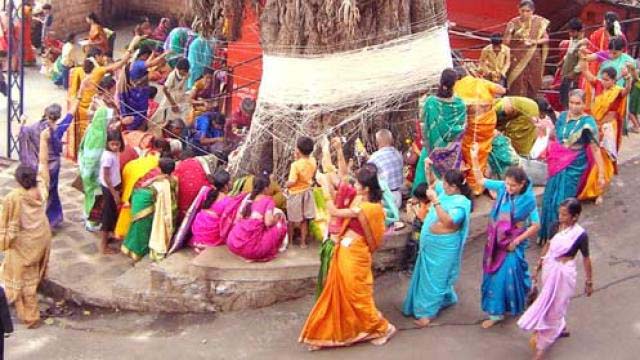
Vat Savitri Puja

Chennai, the Cultural Capital of India
The Town You Sleep In
Why the base town shapes a monsoon waterfall trip more than any single fall, what to look for, and towns in Karnataka, Kerala and Goa worth considering.
One village ghat upriver
Train versus road that week
Markets before the 20th, not on it
Journeys Worth Discovering
Explore inspiring destinations, memorable journeys and travel stories from across India and beyond.
Explore destinations




