
Ask anyone who has been to the White Rann of Kutch what they remember and most will describe the sunset: the sky turning orange, then pink, the salt glowing, the crowds of visitors at the viewing area all raising their phones at once. It is beautiful, and it is busy. Ask the few who went back the next morning, before dawn, and they will describe something else entirely. Silence. A cold so sharp it surprises you. A white plain that seems to have no edge at all, and nobody else on it.
This is a short case for that other hour.
Why the morning is different
The Great Rann’s white crust is a salt deposit left as the monsoon floodwater evaporates. By mid-winter it stretches to the horizon near Dhordo, and the main access point for visitors, with its watchtower, parking and paths, sits at the edge of it. In the evenings, especially around Rann Utsav and on full moon nights, that area can fill with buses, camel carts and festival-goers. In the hour before sunrise, many of those visitors are still asleep in the tent city or their hotels in Bhuj.
The light is different, too. Sunset light is warm and theatrical. Pre-dawn light is cool and slow: a long, deep blue that gradually lifts to grey, then pearl, then the first stripe of gold on the eastern horizon. Because the salt is so flat and so pale, it takes the colour of the sky almost exactly. For a few minutes, standing on it can feel like standing inside a cloud.
What you will notice
Without people, your senses adjust. You will hear the salt crunch under your shoes and very little else, perhaps a distant vehicle or a bird. You will see the texture of the crust: polygon patterns, ridges and cracks that look like lace from close up. You will notice how quickly your sense of scale goes; a person a few hundred metres away can look like a dot on a page.
And you will feel the cold. Kutch winter nights can be properly chilly, and on an open salt flat there is no shelter from the wind. The coldest moment is often just around sunrise.
Planning the early start
A dawn visit takes a little organising, so start the evening before.
- Check access. The White Rann is in a border area and needs an entry permit, available through Gujarat’s official permit portal and at check-posts. Confirm with your tent or hotel what time visitors are allowed past the gate in the morning; it is not always open as early as you would like, and rules can change between seasons.
- Arrange transport. If you are staying in the tent city, ask whether early transport to the Rann is offered. If you are driving from elsewhere, allow for the distance and the dark; Bhuj is a long drive from the White Rann, so staying closer, at Dhordo or a nearby village homestay, makes the morning much easier.
- Dress in layers. Thermal top, warm jacket, cap, gloves. You can strip down as the sun climbs.
- Bring a torch and water. Phone torches work, but a small headlamp leaves your hands free.
- Go with someone. The flatness that makes the Rann magical also makes it disorienting. Stay within sight of the access area and do not wander off alone in the dark.
How far to walk
You do not need to walk far to find solitude. Even ten or fifteen minutes beyond the main viewing area, the paths and footprints thin out and the salt becomes smoother and whiter. Do not drive onto the salt unless you are with a local operator who knows which areas are firm; parts of the Rann can remain soft or damp, especially early in the season, and vehicles do get stuck. On foot, keep the watchtower or the parking area in sight as your reference point.
A word on photographs
The empty hour is a gift for photographers, but it is also an invitation to put the camera down for a while. If you do shoot, remember that the salt’s brightness can fool your exposure once the sun rises, and that a small human figure far out on the white often tells the scale story better than any wide landscape. If you photograph other visitors, ask first. Sunglasses become essential once the sun is up, as the reflected glare is intense.
Combine it with the rest of the day
After sunrise, the Rann warms up fast. Head back for breakfast and use the late morning for the craft villages around Dhordo and Hodka, which we describe in The Rann at the Edge of the Tent City. Kalo Dungar, the black hill north of the Rann, makes a fine afternoon trip for an elevated view over the salt. You can still go back for sunset, too; having seen the Rann empty, you will see the crowded version with new eyes.
If you are fitting Kutch into a longer desert trip with Jaisalmer, our three-night itinerary shows how to make room for at least one early morning on the salt.
Full moon or no moon
Rann Utsav makes much of full moon nights, and the salt under a full moon is something special, bright enough to see by, ghostly and soft. But the full moon also draws the biggest crowds. If you prefer solitude, a dawn visit a few days either side of the full moon can give you both: moonlight lingering in the western sky as the sun rises in the east. Check the lunar calendar and the festival programme before you book.
Why it matters
There is a lot of noise in modern travel, much of it our own. The White Rann at dawn is one of those rare places where that noise simply stops. You stand on a plain of salt that was a sea a few months ago and will be a sea again after the next monsoon, and for a few minutes you have it nearly to yourself. It is worth the alarm clock. It is worth the cold. And it is the memory of Kutch most likely to stay with you.
More from Issue 82
- Issue 82 index: Desert Festivals
- Jaisalmer when the fort is still a neighbourhood
- The Rann at the edge of the tent city
- Camels are optional
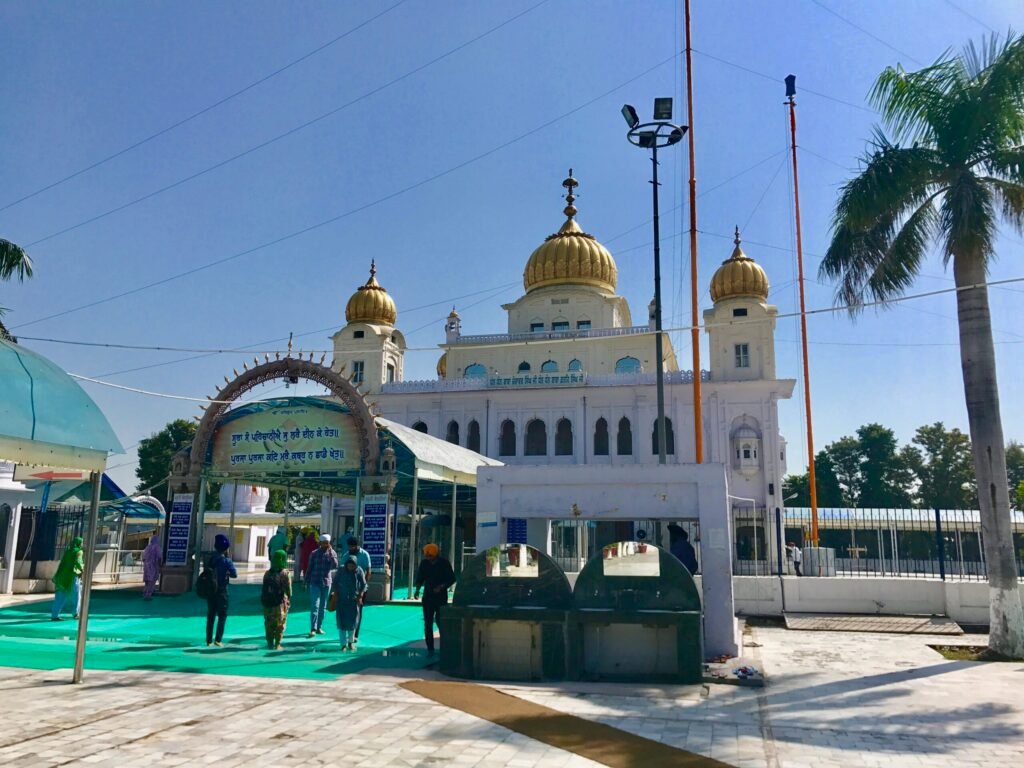
Fatehgarh Sahib, Sacred Pilgrimage Site
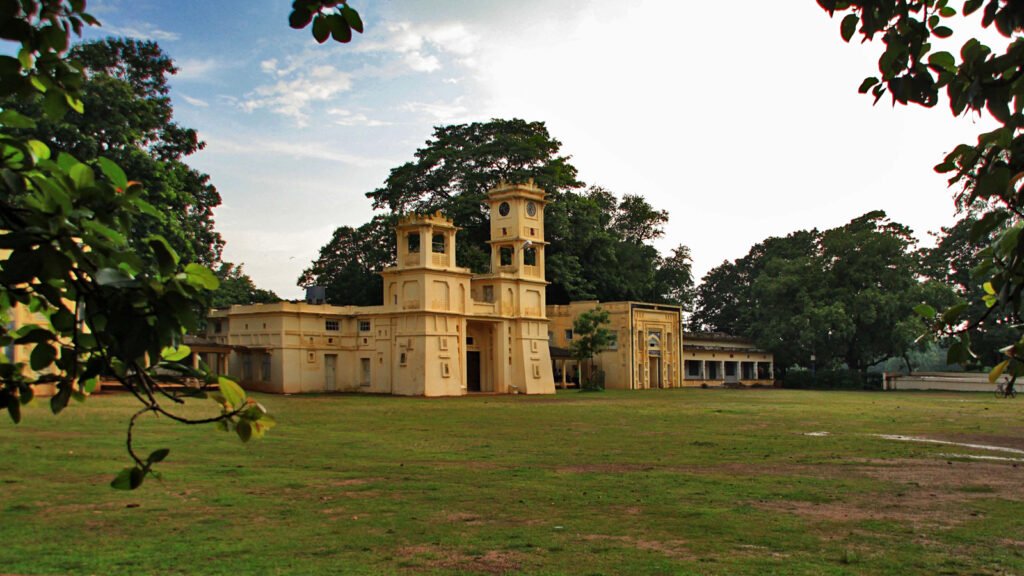
Shantiniketan
The Town You Sleep In
Why the base town shapes a monsoon waterfall trip more than any single fall, what to look for, and towns in Karnataka, Kerala and Goa worth considering.
One village ghat upriver
Train versus road that week
Markets before the 20th, not on it
Journeys Worth Discovering
Explore inspiring destinations, memorable journeys and travel stories from across India and beyond.
Explore destinations




