
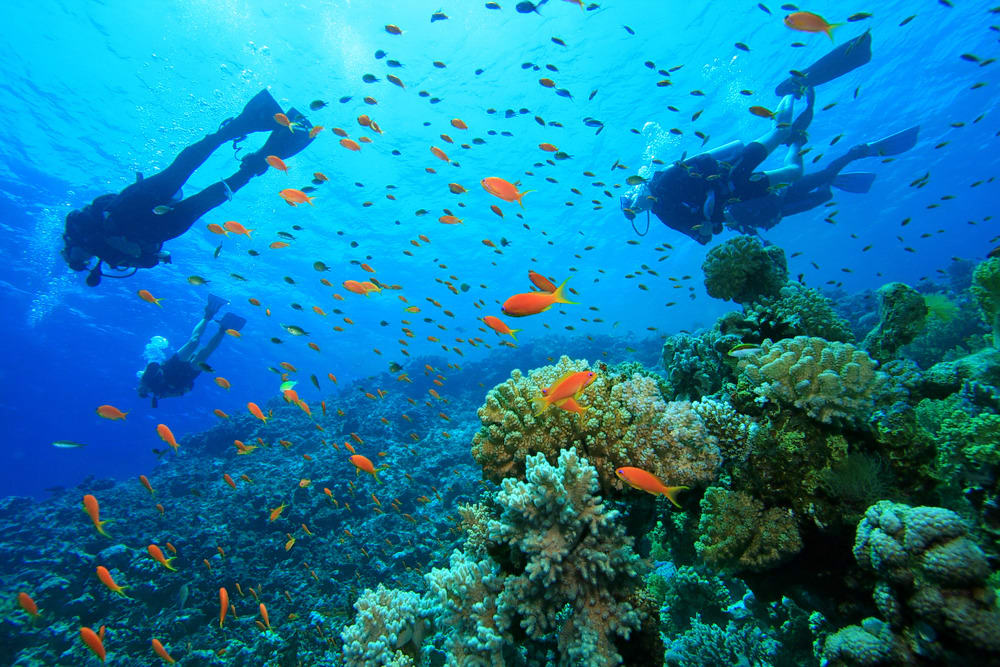
 Scuba diving is one of the most exhilarating activities for adventure seekers, and there are few better places to experience it than in the Andaman Islands. The archipelago in the Bay of Bengal is known for its crystal-clear waters, diverse marine life, and stunning coral reefs. In this article, we will explore the world of scuba diving in Andaman and why it should be on every diver’s bucket list.
Scuba Diving in Andaman has gained popularity over the years thanks to its incredible underwater scenery. The Andaman Islands offer diverse dive sites suitable for all levels of divers, from beginners to advanced. The dive sites are spread out across the islands, and each one offers a unique experience. Some of the most popular dive sites in Andaman are:
Havelock Island: Havelock Island is the most popular destination for scuba diving in Andaman. The island is home to some of the best dive sites in the archipelago, including Elephant Beach, Aquarium, and The Wall. These sites offer incredible marine life, including turtles, sharks, rays, and various colourful fish. The coral reefs here are also stunning, with vibrant colours and intricate patterns.
Neil Island: Neil Island is another popular destination for scuba diving in Andaman. The island is less crowded than Havelock and offers a more laid-back atmosphere. The dive sites here are also less explored, which makes for a more exclusive experience. Some popular dive sites on Neil Island are Margherita’s Mischief, Bus Stop, and Junction.
Barren Island: Barren Island is often described as the only active volcano in South Asia and lies roughly 135–140 km north-east of Port Blair, the capital of Andaman. Landing on the island is not permitted and it is not a regular day-dive site; diving here is usually arranged on liveaboard trips. The dive site around the island is considered to be one of the most challenging in the region due to strong currents, but it offers a unique experience for experienced divers.
Cinque Island: Cinque Island lies off the south-east coast of South Andaman, a long boat ride from Port Blair, and visits need forest department permission. The island is home to some of Andaman’s most untouched dive sites, with crystal-clear waters and diverse marine life. The dive sites here are suitable for both beginners and advanced divers.
Scuba diving in Andaman is an experience like no other. The waters around the islands are clear, with visibility ranging from 10 to 30 meters. The water temperature is also warm throughout the year, making it comfortable for diving. The marine life around Andaman is diverse, with hundreds of species of reef fish and corals recorded. Divers can expect to see various marine life, including sharks, turtles, rays, and colourful fish.
One of the unique features of scuba diving in Andaman is the dramatic underwater topography: pinnacles, boulders, swim-throughs and walls rising from the sand. Divers can explore these formations and the life sheltering within them. Dixon’s Pinnacle off Havelock is one of the best known of these sites.
Diving in Andaman is also an opportunity to learn about the culture and history of the islands. The waters around Andaman are home to several shipwrecks, including the SS Inchket, a cargo ship that sank near North Bay off Port Blair, and the MV Mars near Havelock. These wrecks are now home to various marine life and offer a unique opportunity for divers to explore a piece of history.
Scuba diving in Andaman is not just about the underwater experience. The islands are also gorgeous, with lush forests and pristine beaches. After diving, divers can relax on the beach or explore the islands on foot.
When to dive in the Andamans
The main dive season runs from roughly October or November to May, when the sea is calmer and visibility is usually at its best. From about June to September the south-west monsoon brings rough seas, heavy rain and frequent cancellations, and many dive centres scale down or close for part of that period. January to April is often considered the sweet spot, with warm water and long settled spells, though conditions change from day to day. If diving is the main reason for your trip, build a spare day or two into your plans so that one choppy morning does not cost you the dive you came for.
Choosing a dive centre
Havelock (Swaraj Dweep) has the largest choice of dive centres, followed by Neil (Shaheed Dweep) and Port Blair. Look for operators affiliated with an international training agency such as PADI or SSI, ask about instructor-to-student ratios, and check how well the equipment is maintained before you sign up. A good centre will brief you thoroughly, ask about your medical history and never push you deeper than your training allows. Read recent reviews and ask other divers on the island; word of mouth travels fast in a small dive community.
Prices vary between centres and seasons, so ask exactly what is included: equipment, boat fees, permit charges and certification costs can all be listed separately. Booking a day or two ahead in peak season is sensible, especially for popular boat dives.
For first-timers
You do not need to be certified to try scuba diving in Andaman. Most centres offer an introductory try dive or Discover Scuba session, which begins with a briefing and a shallow practice in calm water before a guided dive on a gentle reef. If you enjoy it, a beginner certification course usually takes around three to four days and lets you dive with a buddy anywhere in the world afterwards. Non-swimmers can often still try a supervised dive, but say so honestly when you book.
Staying safe and diving responsibly
Coral is a living animal, and reefs around the islands have already been stressed by warming seas and bleaching events. Do not touch, stand on or kick the coral, keep your fins clear of the reef, and never collect shells or coral. Choose a reef-safe sunscreen, or better still cover up with a rash guard. Avoid feeding fish or chasing turtles for a photograph.
Leave at least 18 to 24 hours between your last dive and your flight out of Port Blair, as flying too soon after diving raises the risk of decompression sickness. Stay hydrated, avoid alcohol before diving, and tell your instructor if you have a cold, as blocked ears make equalising difficult.
Beyond the dive boat
Divers are often happiest in the afternoon, salt-crusted and hungry, with the morning’s dive replaying in their heads. Use that time well. Watch the sunset at Radhanagar Beach, snorkel the shallows at Elephant Beach, or cycle the quiet lanes of Neil past farms and paddy fields. In Port Blair, the Cellular Jail and the Samudrika naval marine museum make a good pairing for the day before you fly, when you cannot dive anyway.
More from Issue 33
- January 2022
- Editor’s Letter: Andaman & Nicobar, Islands That Ask You to Slow Down
- Top 15 Tourist Destinations In Andaman & Nicobar
- What’s The Best Time To Visit Andaman & Nicobar?
- Tribes Found In Andaman & Nicobar Islands
- Do’s & Don’ts In Andaman & Nicobar
- Complete Guide For A Perfect Andaman Trip
- Travel to Andaman by Ship
- Let’s Visit Cellular Jail In Port Blair, Andaman
- All about Barren Island, South Asia’s only Active Volcano in Andaman!
- A New Normal After the COVID‐19 Pandemic

July 2019

Flora and Fauna
Silk, not a shopping list
The Town You Sleep In
Why the base town shapes a monsoon waterfall trip more than any single fall, what to look for, and towns in Karnataka, Kerala and Goa worth considering.
One village ghat upriver
Train versus road that week
Markets before the 20th, not on it
Journeys Worth Discovering
Explore inspiring destinations, memorable journeys and travel stories from across India and beyond.
Explore destinations




