
Before the itinerary starts, before the first sight, there is the picture you take without thinking. It is often the truest record of the trip. Here is why, and how to take it well.
Look back through the photographs from almost any trip and you will find it near the beginning. It is slightly crooked. The light is wrong. It shows a railway platform, a taxi window streaked with rain, a hotel corridor, a street corner where you waited for someone. You did not plan it. You probably do not remember taking it. And yet, years later, it is often the image that brings the whole journey back.
This last page of our 72-hour issue is about that photograph: the one from the first hour.
Why the first hour is different
In the first hour of a trip you see more than you ever will again. Everything is new: the signs, the colour of the buses, the way people stand at a crossing, the smell of the air. Within a day or two the eye adjusts and these things become background. The first hour is the only time you see them as a stranger.
That freshness is exactly what makes the first-hour photograph valuable. It records not the place’s famous face but its ordinary one, the version you will stop noticing by Saturday.
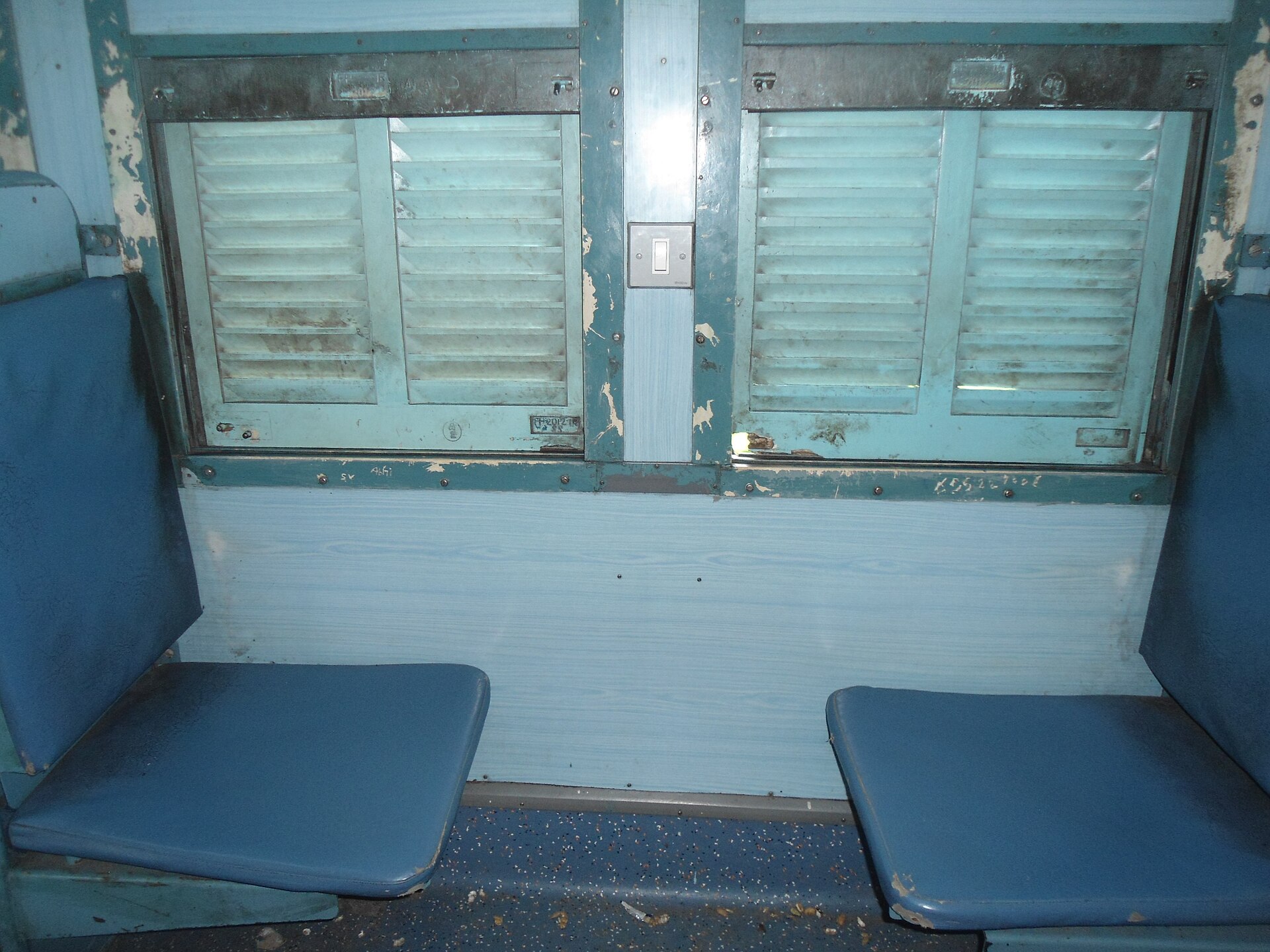
The platform, the window, the corridor
On the trips we planned for this issue, the first photographs tend to come from the same few places.
The platform. If you arrive by train, the station is your first view of the town. Platforms are full of life: porters, vendors, families with too much luggage, the slow procession towards the exit. A single frame here can say a great deal about where you are.
The window. The drive from station or airport to hotel is often the first glimpse of the streets. Through a rickshaw or taxi window, everything moves too fast to compose properly, which is partly the charm. Shoot anyway. Blur is honest.
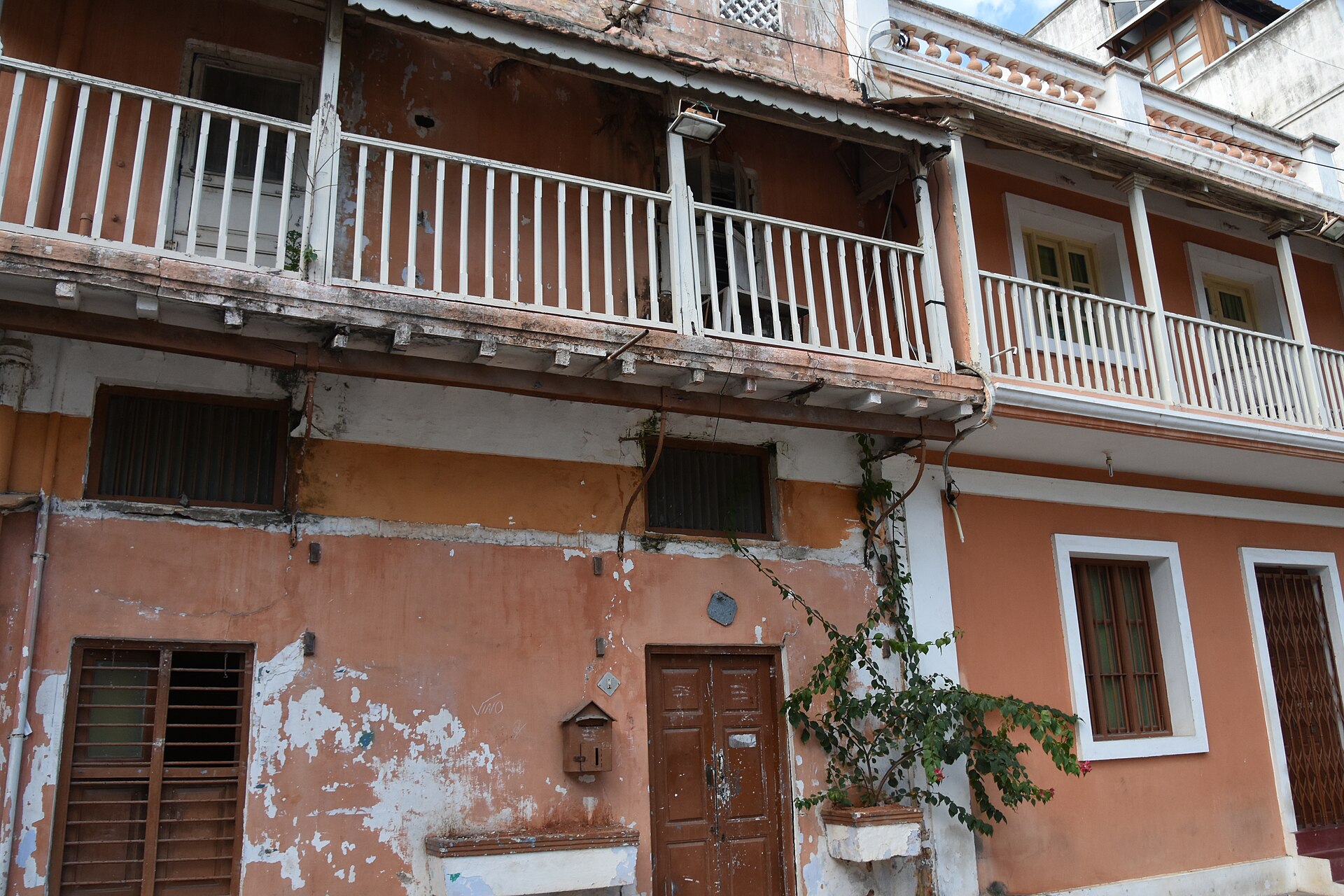
The corridor. Hotel and guesthouse interiors are rarely photographed, but they hold a lot of memory. A heritage haveli’s courtyard, a guesthouse staircase in Pondicherry’s French Quarter, a ceiling fan turning slowly above a bed. These are the spaces you return to every evening, and the first look at them is worth keeping.
How to take it
You do not need special equipment. A phone is ideal, because it is always to hand. A few habits will help:
- Keep the camera ready. Unlock it before you step off the train or out of the car. The moment passes fast.
- Do not wait for the perfect frame. The first hour rewards speed over composition. Take the picture, then take another.
- Look for ordinary detail. A sign in an unfamiliar script, a stack of tea glasses, a painted shutter. Detail ages better than panorama.
- Include a little of yourself. A hand on a railing, your bag on a platform, your shadow on a wall. It anchors the picture in your experience rather than a postcard.
- Ask before photographing people. A smile and a gesture usually suffice. Respect a refusal.
Three cities, three first hours
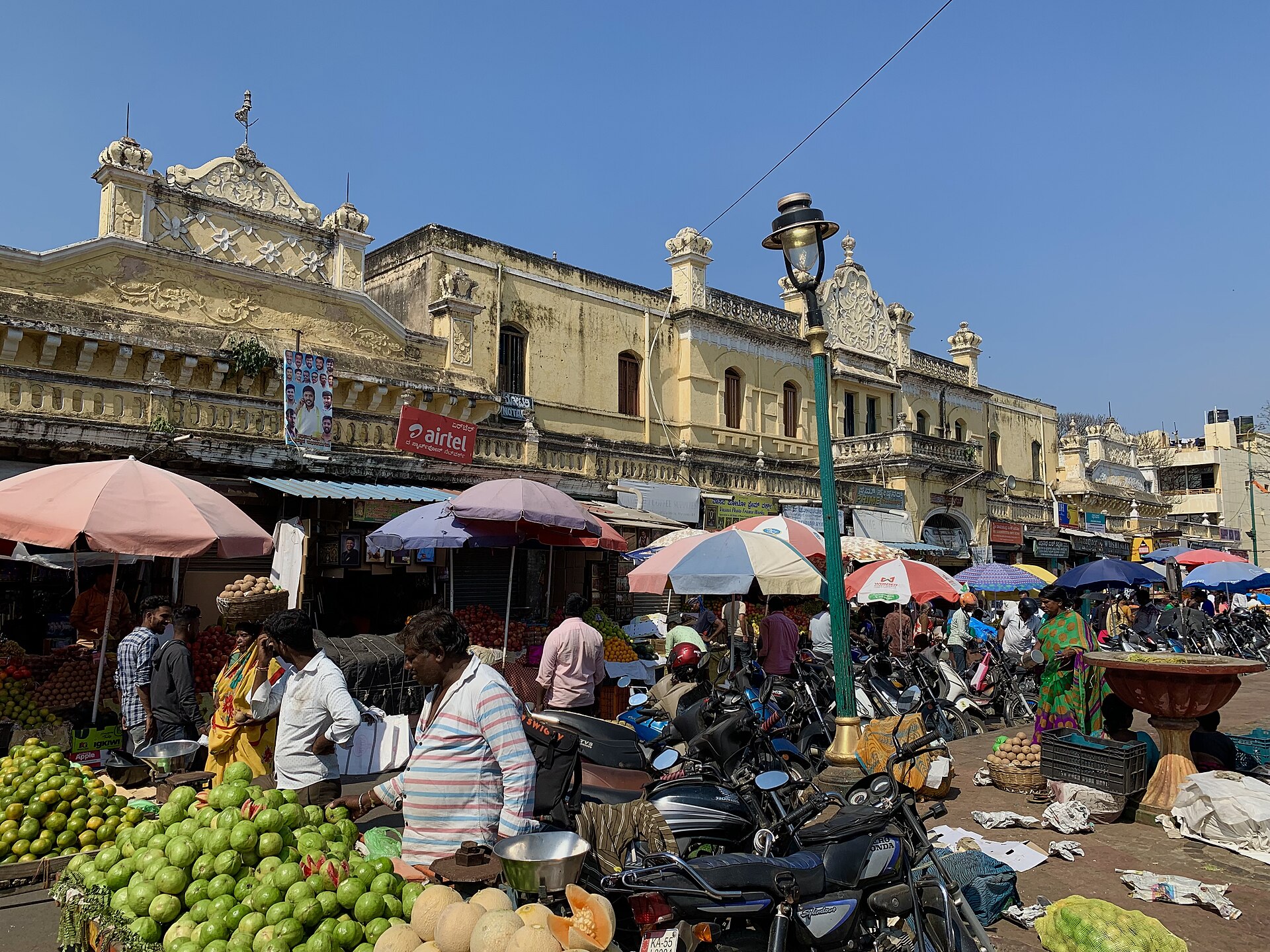
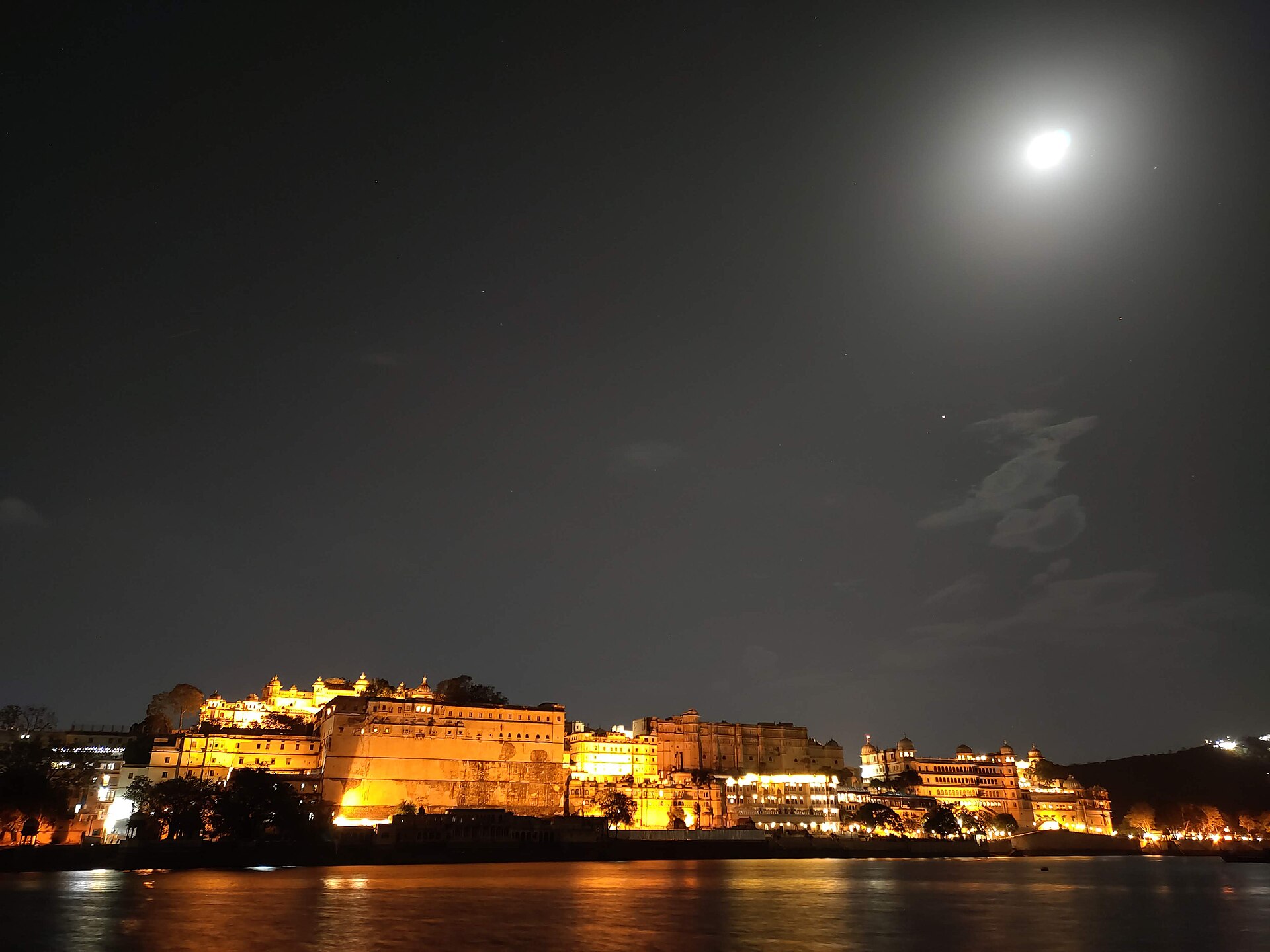
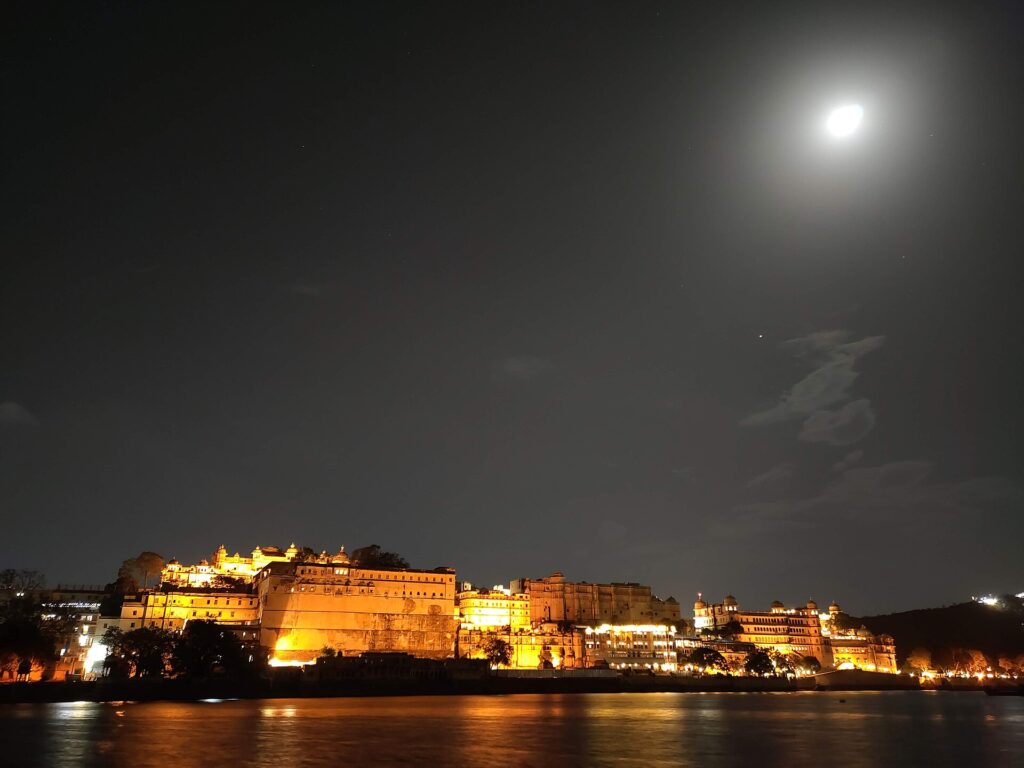
Each of the cities in this issue offers its own first-hour picture. In Pondicherry, it might be the first pastel wall glimpsed from an auto-rickshaw, or the sea appearing suddenly at the end of a street in the French Quarter. In Udaipur, it is often a first sight of water: a slice of Lake Pichola between buildings, or the hills reflected in the lake on the drive in. In Mysuru, it could be the broad, tree-lined roads near the station, or a flower seller’s baskets on the way to your hotel, a preview of the Devaraja Market you will explore properly the next morning.
None of these pictures will be in a guidebook. All of them are worth keeping. Over the years, a collection of first-hour photographs from different trips becomes a kind of private atlas: not of famous places, but of arrivals.
Why not a drone, a tripod, a plan?
There is nothing wrong with carefully composed travel photography. Many of the best pictures of Udaipur’s lakes or Mysuru’s palace are the result of patience and planning. But the first-hour photograph is a different thing. It cannot be planned without being destroyed. Its value lies in its accident.
We would suggest leaving the elaborate equipment in the bag for the first hour at least. Keep it simple, keep it quick, and keep your attention on the place rather than the settings.
What the first photograph tells you
When you get home, find that first photograph and look at it properly. It will tell you what you noticed before you knew what to notice. Perhaps it is the colour of a wall, which became the colour of the trip. Perhaps it is a crowd, which explains why you spent so much time looking for quiet. Perhaps it is rain, which you forgot about, because the sun came out and stayed.
Many travellers find that the first photograph is more evocative than the best ones. The famous views look like everyone else’s pictures; the first-hour frame looks like your trip.
Making it a habit
Try this on your next short trip: deliberately take one photograph in the first ten minutes after you arrive, and another in the last ten minutes before you leave. Put them side by side when you get home. The difference between them is the trip itself: what changed, what you learned to see, how the place shifted from strange to familiar in seventy-two hours.
The end of the issue
We began this issue by arguing that three days is a shape, not a compromise. We end it with a small picture, crooked and unplanned, because that is where every trip really starts. Plan the days as carefully as you like. Choose your anchors, protect your slow hours, time your exit. Then, when you step off the train, forget all of it for a moment and take the picture.
It will probably not be the best photograph of the trip. It may well be the most important one.

Ramadan Celebration in India: Spiritual Journeys in April
What to Cut if You Arrive Late

Sri Lanka: FCO updates advice after recent clashes trigger curfews
The Town You Sleep In
Why the base town shapes a monsoon waterfall trip more than any single fall, what to look for, and towns in Karnataka, Kerala and Goa worth considering.
One village ghat upriver
Train versus road that week
Markets before the 20th, not on it
Journeys Worth Discovering
Explore inspiring destinations, memorable journeys and travel stories from across India and beyond.
Explore destinations




