
Exploring Wild Edges Where Coffee Estates Yield to Pristine Rainforest, Sacred Groves, and Unbroken Wilderness
As one travels deeper into the interior hills of Coorg and Chikmagalur, a subtle environmental boundary gradually reveals itself. The neatly manicured rows of coffee bushes, silver oak trees, and pepper vines begin to thin out. Human tracks become narrower and less frequent. The forest canopy above grows darker, taller, and far more chaotic, dominated by massive native hardwoods whose trunks are carpeted in thick moss, creeping ferns, and wild orchids.
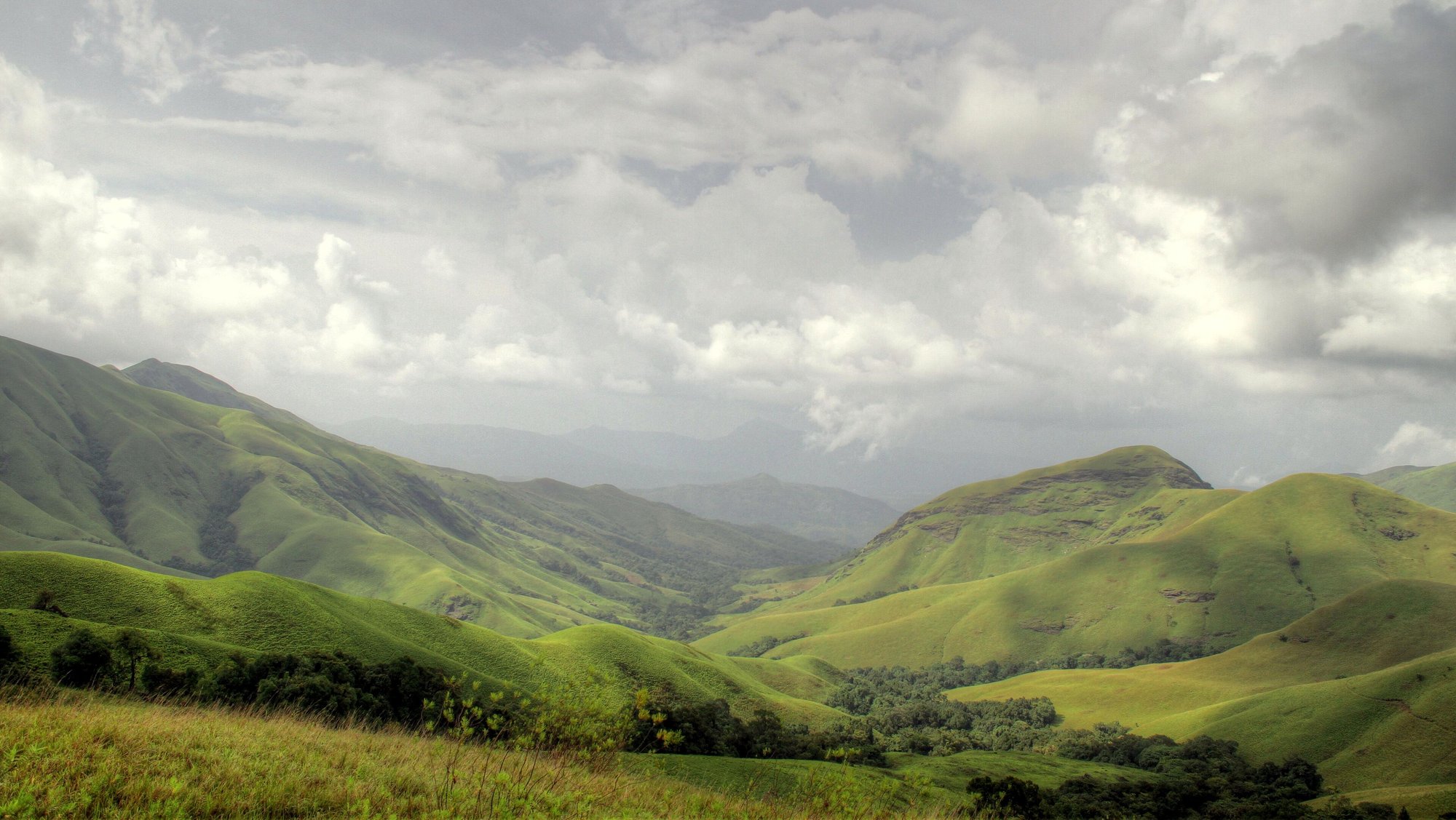
This is the less-planted valley—the wild edge where human agriculture yields gracefully to unbroken rainforest, high-altitude mountain streams, and protected ecological sanctuaries.
While prime coffee country is celebrated for its shade-grown agricultural beauty, these less-planted, forest-heavy valleys offer something even more profound: a glimpse into what the Western Ghats looked like before human cultivation began. For nature lovers, trekkers, and mindful travelers, exploring these wilder valley corridors provides an unforgettable encounter with pristine tropical biodiversity.
The Ecological Transition: From Agroforest to Wild Canopy
The transition from a working coffee plantation to a wild, unplanted valley is a masterclass in forest ecology. While a shade-grown coffee estate mimics a natural forest structure, it remains a managed human landscape. Weeds are periodically cleared, canopy trees are pruned for sunlight, and specific crop species are systematically cultivated.
In contrast, a less-planted valley operates entirely under the chaotic, magnificent laws of nature. Fallen trees remain where they drop, creating rich micro-habitats for wild fungi, beetles, and burrowing amphibians. Towering native trees—such as Dipterocarpus, ironwood, and wild nutmeg varieties—form a dense, continuous canopy that blocks out direct sunlight, creating a cool, dark, and humid understorey.
Key ecological differences defining less-planted forest valleys include:
- Unfiltered Structural Complexity: Multiple layers of wild vegetation—from subterranean root mats to high canopy vines—create complex three-dimensional habitats for wildlife.
- Native Hardwood Dominance: Ancient native trees that take centuries to mature replace fast-growing silver oaks, providing critical nesting sites for large forest birds.
- Perennial Hydrology: Wild forest soils, untouched by agricultural digging, maintain exceptional water retention capacities, feeding crystal-clear streams year-round.
- Unbroken Wildlife Corridors: Uncultivated valleys serve as essential migratory highways for large mammals moving between national parks and reserve forests.
Devarakadus: The Sacred Groves Preserved by Ancient Tradition
In many less-planted valleys across Coorg, the preservation of dense, uncultivated forest is not merely a matter of geography or government forestry law; it is the result of an ancient indigenous tradition known as Devarakadu—or Sacred Forest Groves.
For centuries, indigenous Kodava clans set aside specific forest pockets as sacred sanctuaries dedicated to local deities like Ayyappa or Bhadrakali. According to ancestral custom, taking an axe to a tree, hunting animals, or clearing land within a Devarakadu was strictly prohibited.
Today, hundreds of these sacred groves survive across the district, functioning as irreplaceable ecological islands:
- Genetic Seed Banks: Sacred groves preserve ancient native tree species and medicinal plants that have disappeared from surrounding agricultural landscapes.
- Wildlife Sanctuaries: These untouched forest pockets shelter rare endemic species, including the Malabar giant squirrel, slender loris, and rare forest owls.
- Local Microclimate Regulators: The dense vegetation within sacred groves cools surrounding valleys, maintaining humidity levels and protecting local water springs.
- Living Cultural Heritage: Devarakadus represent a profound historical model of community-based conservation, where spiritual reverence directly protected vital ecosystems long before modern environmental laws existed.
Walking quietly along the border of a sacred grove offers a humbling encounter with ancient forest giant trees that have stood undisturbed for hundreds of years.
Wildlife Encounters on the Agro-Forest Border
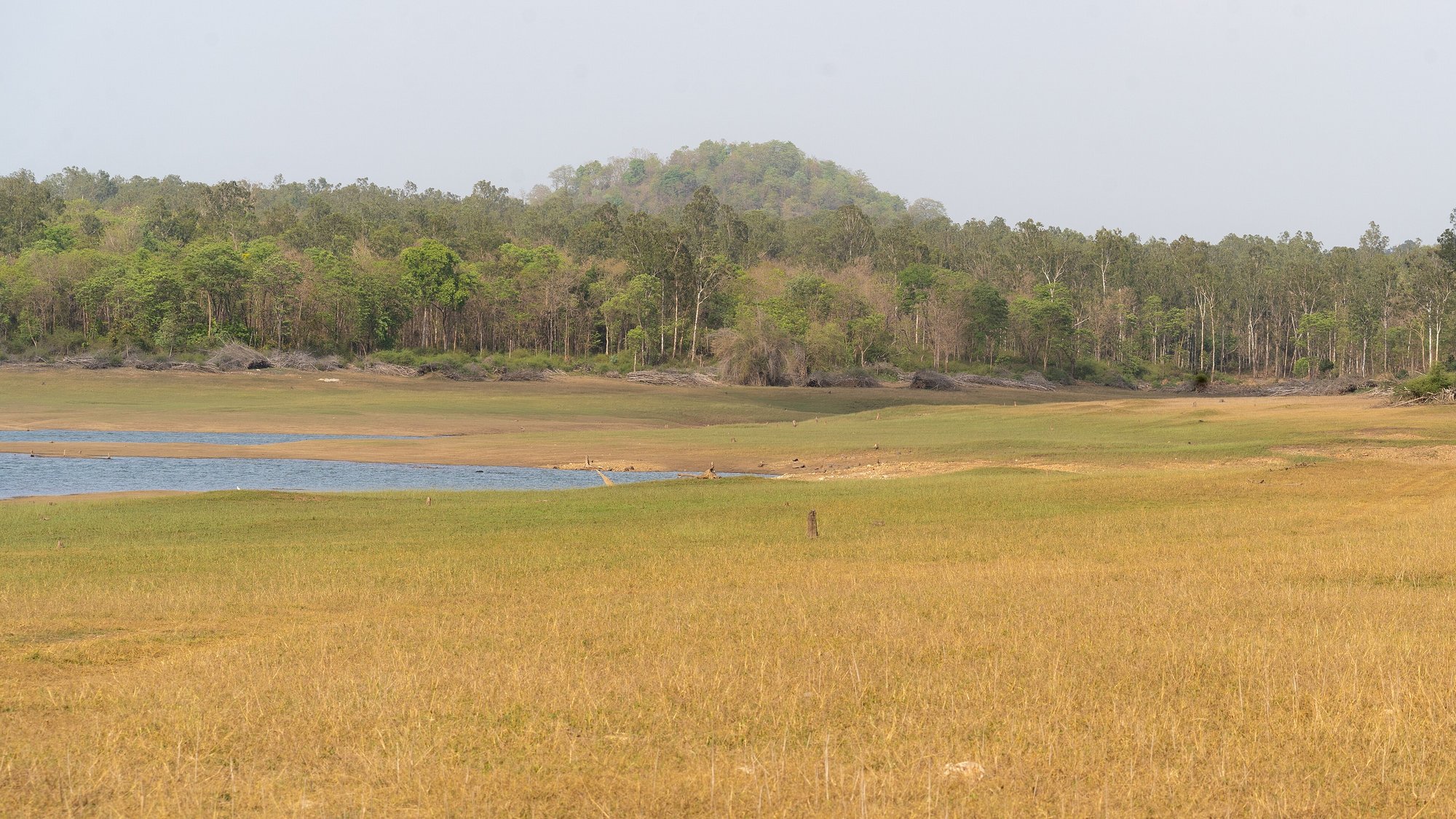
Because less-planted valleys sit on the direct border of reserve forests and national parks, they host an extraordinary density of wild animal life. Unlike congested tourist areas where wildlife has been driven far away, these quiet valley corridors are active living habitats.
Early morning walks along forest valley tracks frequently yield thrilling wildlife sightings for patient, observant travelers. High in the canopy, bright cobalt-blue Asian fairy-bluebirds and Malabar pied hornbills fly between wild fig trees, their massive wings making a distinct WHOOSH sound through the quiet air.
Common wildlife species encountered in less-planted valley corridors include:
- The Malabar Giant Squirrel (*Ratufa indica*): A magnificent tree-dwelling mammal with rich maroon and buff fur, famous for leaping effortlessly across canopy gaps.
- Asian Elephants (*Elephas maximus*): Small family herds frequently use unplanted valley streams as seasonal migration routes, feeding on bamboo shoots and wild grasses at dusk.
- Gaur or Indian Bison (*Bos gaurus*): Massive, muscular wild cattle that graze peacefully in forest clearings and along quiet stream borders in early morning hours.
- Endemic Amphibians: Damp leaf litter in these valleys harbors world-famous frog species, including the Luminous Flying Frog and the Purple Frog (Nasikabatrachus sahyadrensis), an ancient living fossil.
Observing wildlife in these wild valleys requires patience, quiet movement, and absolute respect for animal space—never crowding, feeding, or disturbing creatures in their natural home.
Exploring Unplanted Valleys Responsibly
Venture into less-planted valleys offers an exhilarating sense of wilderness discovery, but it also carries serious environmental and personal safety responsibilities. These are wild, unmanaged landscapes where human assistance is far away, cellular phone coverage is non-existent, and natural hazards like slippery rocks, swollen streams, and sudden animal encounters are real.
Crucial guidelines for safe and responsible exploration:
1. Hire Experienced Local Naturalists: Always explore remote forest valleys accompanied by knowledgeable local guides who understand animal behavior, trail routes, and forest safety.
2. Never Trek Alone at Dusk: Wildlife activity increases dramatically during dawn and dusk; avoid walking along remote forest tracks after five o’clock in the evening.
3. Maintain Absolute Noise Control: Speak in soft whispers and turn off all electronic sounds to avoid scaring wildlife or masking important natural warning signs.
4. Pack Out Every Trace of Waste: Ensure no plastic wrappers, water bottles, or food waste are left behind, preserving untouched valleys pristine for wildlife.
Botanical Diversity of Unplanted Valleys
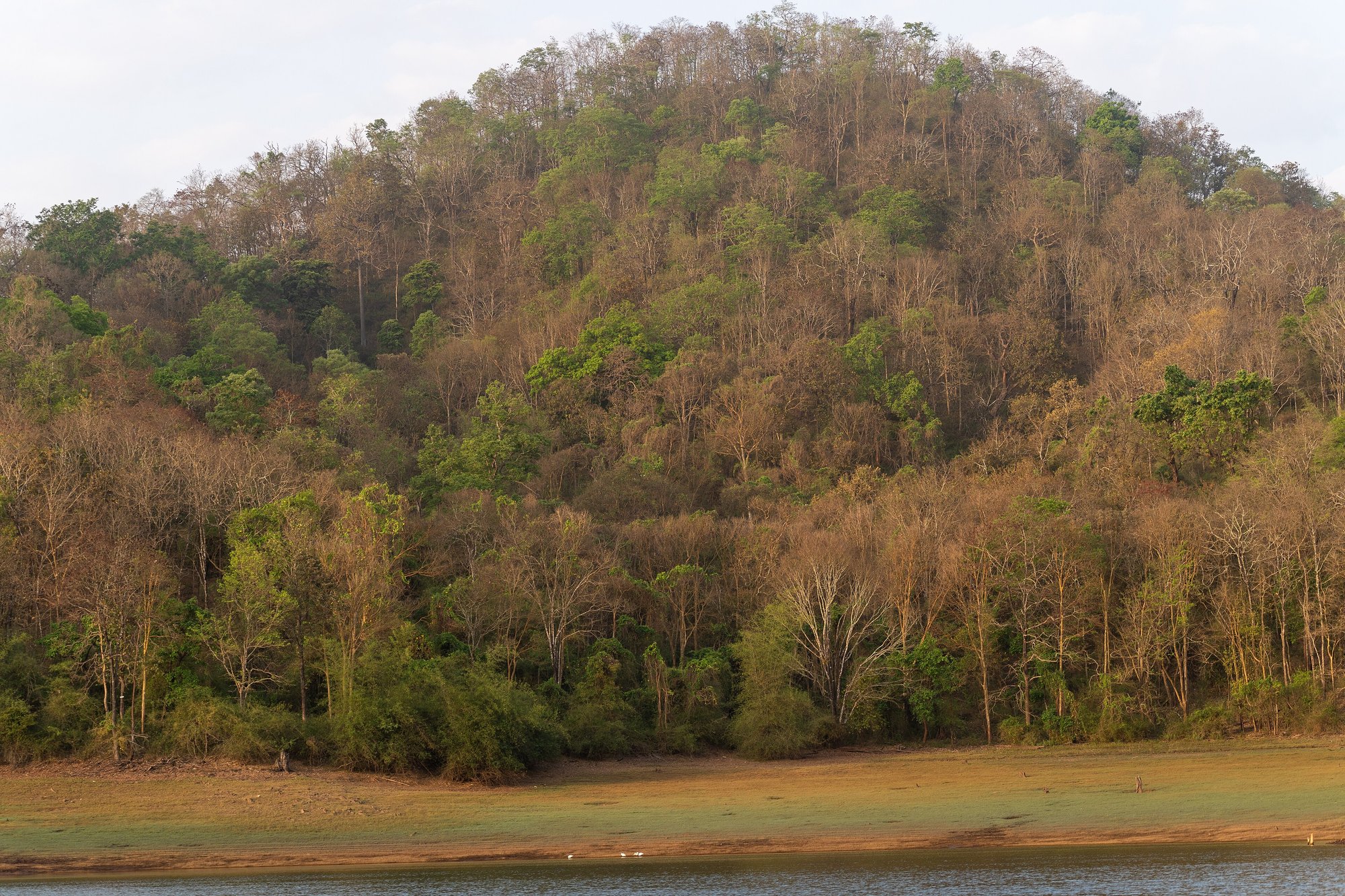
The plant diversity found within less-planted valleys is staggering compared to managed crop blocks. Without human weed control or selective canopy trimming, wild botanical life flourishes in layered complexity.
Key plant categories thriving in wild forest valleys include:
- Wild Orchids and Epiphytes: Dozens of native orchid species cling to mossy tree limbs, blooming in delicate pinks, whites, and yellows during post-monsoon months.
- Tree Ferns and Ancient Mosses: Towering tree ferns (Cyathea species) rise from stream banks, while ancient liverworts carpet wet granite boulders.
- Lianas and Woody Vines: Massive wooden vines, some as thick as tree trunks, twist through upper canopy branches, creating natural bridges for arboreal mammals.
- Medicinal Forest Herbs: Wild ginger, turmeric, and indigenous forest herbs cover the understorey floor, highly prized in traditional Ayurveda.
The Hydrological Masterpiece of Wild Valleys
In addition to plant and animal diversity, unplanted forest valleys play a vital hydrological role for the entire South Indian peninsula. The undisturbed forest floor acts as a massive natural sponge during monsoon months.
Deep layers of leaf litter, decaying wood, and root networks absorb millions of liters of rainwater, preventing flash floods in lowland river basins. Throughout dry summer months, this stored water is released slowly into mountain streams, ensuring rivers like the Kaveri and Tunga flow year-round.
Hydrological benefits of untamed forest valleys:
- Natural Water Filtration: Water passing through layers of forest soil and granite rock emerges crystal-clear and mineral-rich.
- Aquifer Recharge: Deep root channels allow rainwater to penetrate deep into subterranean aquifers, sustaining regional groundwater levels.
- Erosion Control: Dense root networks anchor steep mountain slopes, preventing catastrophic landslides during heavy rain events.
The Poetic Value of the Wild Edge
There is a unique emotional and poetic quality to standing in a less-planted valley. It reminds us of the delicate boundary between human ambition and the untamed power of the natural world.
While the surrounding coffee estates showcase human ingenuity and agricultural harmony, the wild, unplanted forest reminds us of the immense value of spaces left entirely alone. In these quiet, dark green glades, where ancient trees reach for the sky and mountain streams run pure over dark granite, travelers find a profound sense of peace—a deep, refreshing connection to the timeless heart of the Western Ghats.
A Sanctuary for Reflection
Standing amidst the towering native trees of an unplanted valley, surrounded by the calls of forest birds and the rustle of wind through ancient canopy leaves, travelers gain a fresh perspective on the landscape. They realize that the true glory of the Western Ghats lies not only in its productive coffee fields, but in these quiet, untamed sanctuaries where nature reigns supreme. It is a place that invites quiet awe, reminding us of the profound beauty that exists when the earth is left to bloom according to its own ancient wisdom.

Experience Lakshadweep’s Vibrant Culture & People

Top 10 Navratri Festival Destinations for Cultural Immersion
From the Royal Shores to the Quiet Wilderness of Badi
The Town You Sleep In
Why the base town shapes a monsoon waterfall trip more than any single fall, what to look for, and towns in Karnataka, Kerala and Goa worth considering.
One village ghat upriver
Train versus road that week
Markets before the 20th, not on it
Journeys Worth Discovering
Explore inspiring destinations, memorable journeys and travel stories from across India and beyond.
Explore destinations




