
Why Bypassing Congested Commercial Centers Unlocks the True Magic of Karnataka’s Rural Coffee Highlands
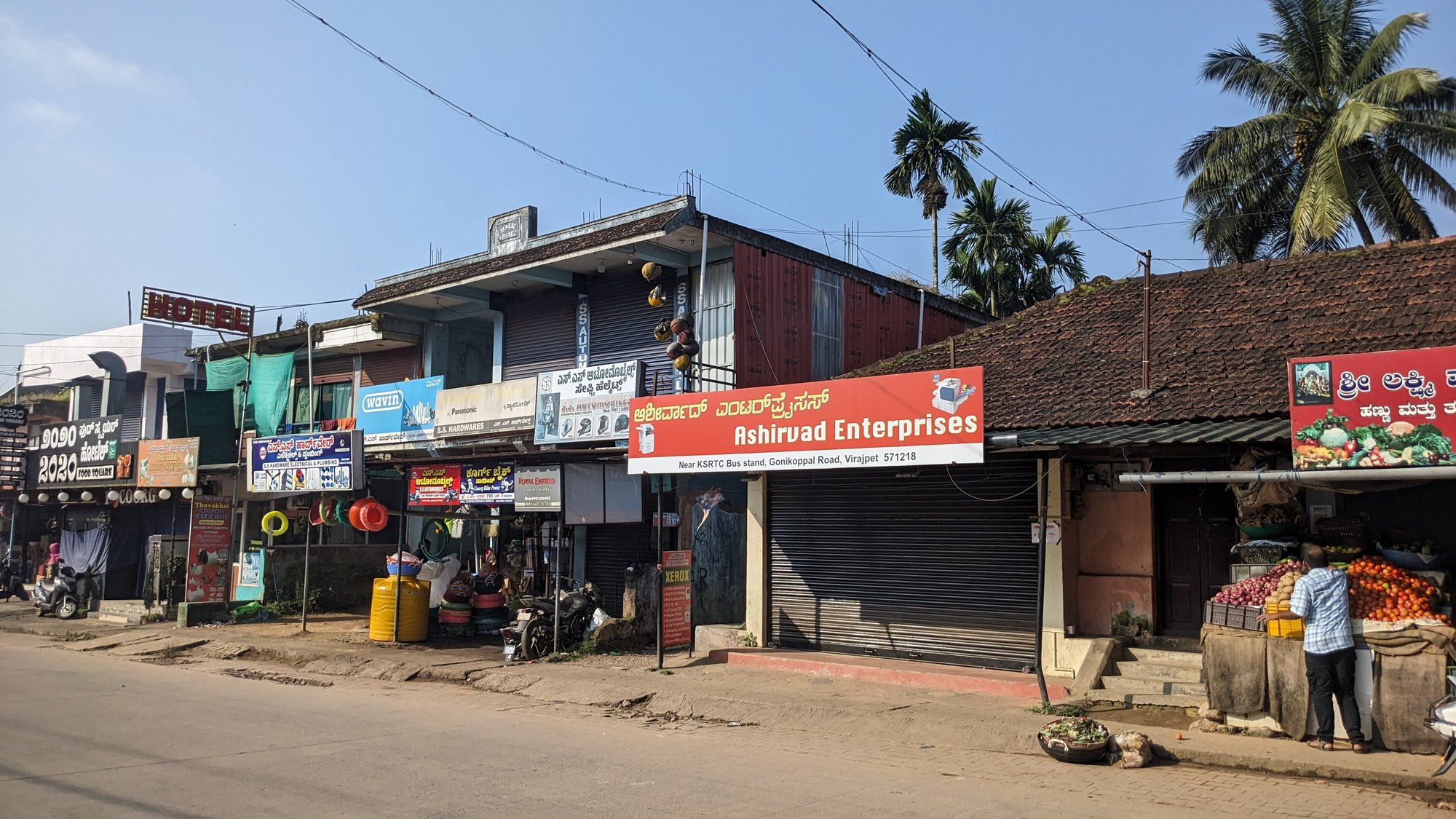
When travelers plan their first trip to Karnataka’s coffee country, their GPS navigation systems and standard online guidebooks almost always direct them toward the major district headquarters: Madikeri in Coorg or Chikmagalur Town. For decades, these administrative centers served as convenient supply hubs and gateway points for regional travel. Today, however, rapid urbanization, unchecked commercial development, and weekend tourist surges have transformed these central towns into crowded, noisy urban bottlenecks filled with traffic jams, concrete shopping complexes, and generic souvenir stalls.
Arriving in a busy district town expecting a serene, forest-wrapped hill station escape can be deeply disappointing. The air smells of diesel exhaust rather than roasted coffee; the soundscape is dominated by honking horns rather than bird calls; and the scenic views are obscured by billboards and multi-story concrete hotels.
The secret to experiencing the true, unfiltered magic of Coffee Country is simple: bypass the congested commercial centers entirely. By establishing a base in quiet, rural coffee valleys miles away from main district towns, travelers unlock the tranquil, nature-bound paradise they originally set out to find.
The Transformation of District Hubs: What Went Wrong
To understand why bypassing main towns is necessary, one must look at how tourism has evolved in the Western Ghats over the last two decades. As urban centers like Bengaluru and Mysuru expanded rapidly, the demand for quick weekend mountain getaways skyrocketed.
District headquarters like Madikeri and Chikmagalur Town bore the brunt of this sudden commercial explosion. Municipal infrastructure built for small rural populations struggled to handle thousands of incoming tourist vehicles every weekend.
Key urban factors that diminish the travel experience in central district towns include:
- Severe Traffic Congestion: Narrow, historic streets designed for bullock carts and light local traffic become paralyzed by tourist cars and buses on weekends and public holidays.
- Loss of Natural Character: Commercial main roads are now lined with generic fast-food outlets, plastic handicraft shops, and high-density concrete lodging that lack local architectural charm.
- Visual and Noise Pollution: Loud commercial music, bright neon signage, and heavy vehicular exhaust destroy the serene, forest atmosphere travelers seek.
- Overcrowded Tourist Spots: Popular urban viewpoints within city limits—such as Raja’s Seat in Madikeri—are frequently overcrowded, making peaceful reflection impossible.
Recognizing these urban realities allows smart travelers to make better choices, directing their time and economic support toward peaceful rural valleys where traditional coffee culture remains vibrant and untouched.
The Rural Alternatives: Discovering Quiet Estate Pockets
Where should travelers go instead of central district towns? The answer lies in the sprawling network of rural interior valleys, small agricultural hamlets, and historic estate belts scattered across both districts.
In Coorg, instead of staying in crowded Madikeri, travelers should head toward quiet southern and western pockets like Kutta, Pollibetta, Siddapur, or the serene valleys surrounding Napoklu. Here, roads wind through vast private plantations, ancient sacred groves (Devarakadus), and peaceful river basins where the only sounds are the rustle of wind through shade trees and the gentle flow of water.
In Chikmagalur, bypassing Chikmagalur Town opens access to pristine high-altitude valleys like Santaveri, Lingadahalli, Aldur, and the remote forest borders of Mudigere and Kalasa.
Comparing the experience of a central town stay versus a rural estate sanctuary highlights clear advantages:
- In a Central District Town: Mornings begin with the sound of traffic, municipal sirens, and commercial activity outside hotel windows.
- In a Rural Estate Valley: Mornings open with cool mountain mist, the flute-like call of the Malabar whistling thrush, and the crisp scent of damp forest soil.
- In a Central District Town: Dining options are limited to generic commercial restaurants catering to hurried tourists.
- In a Rural Estate Valley: Meals consist of slow-cooked, authentic regional heirloom dishes prepared fresh by host families using ingredients harvested directly from local gardens.
- In a Central District Town: Evening leisure involves navigating crowded sidewalks and commercial shopping streets.
- In a Rural Estate Valley: Evenings are spent sitting on open verandas under star-filled skies, listening to night crickets and enjoying warm porch conversations.
Supporting Sustainable Rural Economies
Choosing rural estate stays over centralized urban hotels does far more than improve travel comfort; it creates a direct, positive economic impact on rural farming communities.
When travelers stay at family-owned homestays and small eco-lodges in interior valleys, their travel expenditure goes directly to local families, field guides, estate workers, and regional organic farmers. This decentralized economic support encourages local communities to preserve their ancestral lands and maintain shade-grown agroforestry systems rather than selling property to large commercial real estate developers.
Positive community impacts of rural estate tourism include:
- Direct Livelihood Support: Generating sustainable supplementary income for planter families, local cooks, driver cooperatives, and regional guides.
- Preservation of Heritage Homes: Providing financial resources necessary to maintain and restore traditional Kodava Aine Manes and historic Malnad wooden bungalows.
- Ecological Conservation Incentives: Demonstrating that standing shade-grown forests and wild corridors hold far greater long-term economic value than clear-cut commercial developments.
- Cultural Preservation: Encouraging younger rural generations to stay on ancestral lands and celebrate local traditions, language, and culinary arts.
Practical Strategy: The “In-and-Out” Supply Approach
Bypassing central towns does not mean ignoring them entirely if practical needs arise. District towns remain useful for specific functional necessities—such as refueling vehicles, accessing banking services, or purchasing specialty medicines.
The smartest travel strategy is the “In-and-Out” approach: arrive in the district town, complete necessary practical tasks like filling fuel tanks or picking up emergency supplies, and immediately drive out to your rural estate sanctuary.
Smart logistics for a town-free highland holiday:
1. Pre-Arrange Local Transport: If arriving by public bus or train, arrange for your rural homestay host to send a reliable local jeep driver to collect you directly from the station.
2. Stock Essential Supplies Early: Purchase specialty personal items, snacks, or specific medications in major cities before entering rural valley zones.
3. Utilize Homestay Dining: Rely on your estate hosts for meals rather than driving into town for lunch or dinner, enjoying far superior food while avoiding evening traffic jams.
4. Explore Local Village Markets: For fruit, local spices, or bottled water, shop at small village weekly markets (santes) near your rural estate rather than major urban supermarkets.
Strategic Valley Base Locations in Coorg and Chikmagalur
To assist travelers in identifying specific rural pockets, local geography offers several distinct valley bases away from district headquarters.
In Coorg:
- The Siddapur-Pollibetta Belt: Famous for sprawling heritage estates, ancient shade trees, and quiet paved lanes perfect for cycling and morning walks.
- The Kutta-Kirimado Valley: Nestled right against Nagarahole National Park, offering rich wildlife views and traditional Kodava homestays.
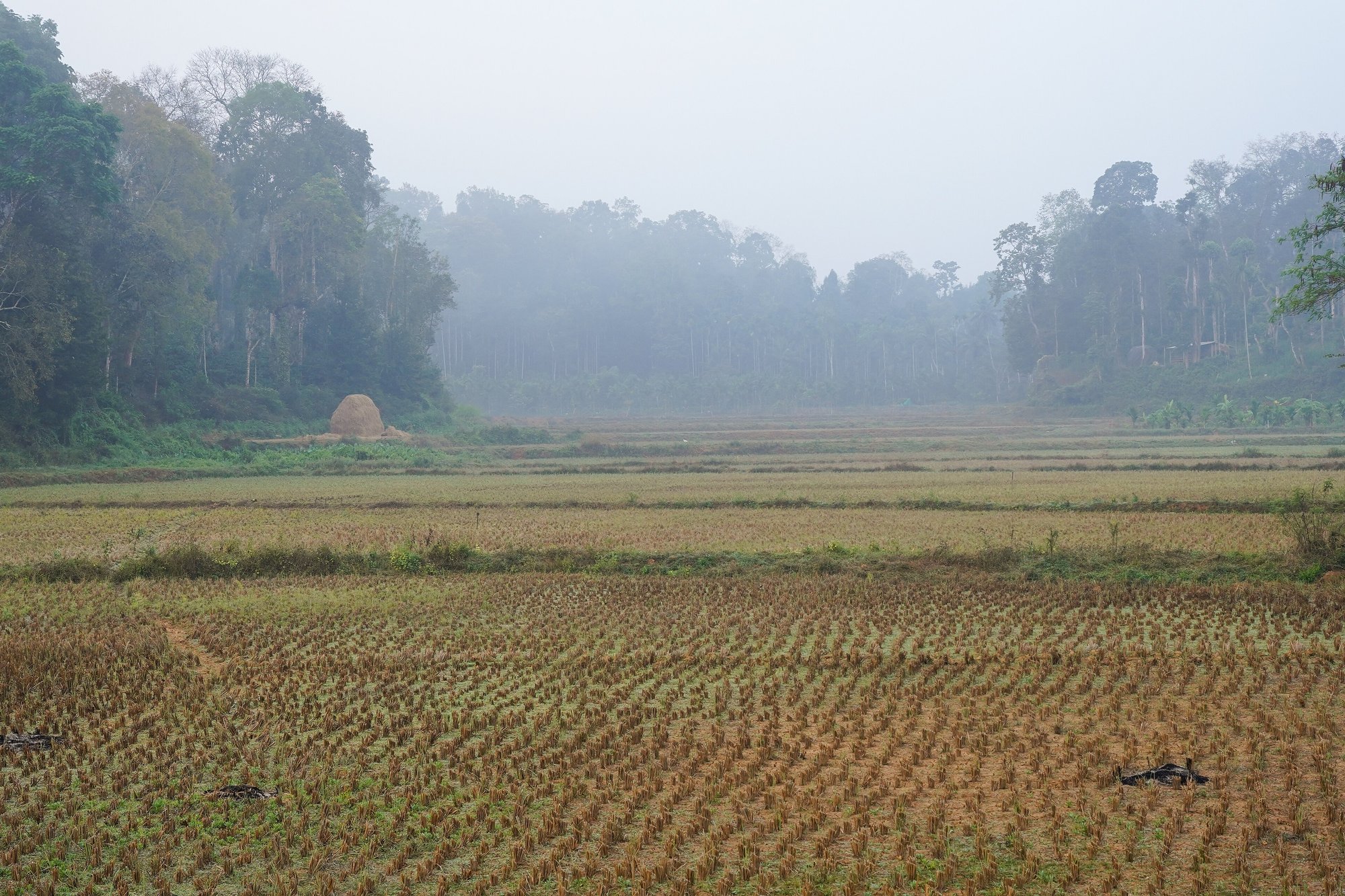
- The Napoklu-Betu Basin: Surrounded by paddy fields and gentle coffee hills, serving as a peaceful agricultural haven along the Kaveri River.
In Chikmagalur:
- The Aldur-Balehonnur Corridor: Home to historic Arabica plantations, quiet river bends, and traditional Malnad home hospitality.
- The Mudigere-Kalasa Belt: Known for steep green valleys, high-altitude cardamom groves, and rushing mountain streams.
The Sensory Rewards of a Rural Valley Base
Choosing a quiet rural valley base entirely alters the daily rhythm and sensory experience of a holiday in the hills. Instead of waking up to street traffic, guests awaken to the sound of mist dripping off jackfruit leaves and the distant whistle of mountain thrushes.
Afternoons bring the quiet pleasure of walking along unpaved estate lanes without encountering commercial crowds or tourist vehicles. Evenings are spent on open verandas listening to the symphony of night crickets while enjoying home-cooked meals prepared with fresh local spices.
Key sensory highlights of staying in a rural valley include:
- Pristine Night Skies: Unpolluted by city lights, night skies over rural valleys reveal brilliant star constellations and glowing fireflies.
- Pure Mountain Air: Deep forest canopies filter out atmospheric dust, leaving air crisp, sweet, and invigorating to breathe.
- Authentic Local Flavor: Enjoying heirloom family recipes prepared with wild forest greens, fresh coconut, and regional spices.
Finding Serenity in the Quiet Corners
When travelers look back on their journey through the coffee highlands, they rarely remember the souvenir shops or urban roundabouts of central district towns. Instead, their minds return to the quiet moments spent far out in the rural valleys: the scent of wild jasmine drifting across an estate lane, the sight of morning sunlight filtering through silver oak leaves, and the genuine warmth of a family host offering a fresh cup of coffee on a quiet porch. By consciously choosing to skip the commercial hub, travelers allow themselves to discover the true, timeless heart of the Western Ghats.

Enjoy Adventure Sports in Rishikesh

Diwali

Warangal, The Historic Town
The Town You Sleep In
Why the base town shapes a monsoon waterfall trip more than any single fall, what to look for, and towns in Karnataka, Kerala and Goa worth considering.
One village ghat upriver
Train versus road that week
Markets before the 20th, not on it
Journeys Worth Discovering
Explore inspiring destinations, memorable journeys and travel stories from across India and beyond.
Explore destinations




