
Bhutan is small, but a first trip can easily become crowded. With so many dzongs, temples, passes and valleys, it is tempting to try to see everything. Our advice is the opposite: choose well and skip a few things. Here is what we think most first-timers can safely leave out, and what to do instead.
Skip trying to see the whole country
Bhutan looks compact on the map, but mountain roads are slow and winding, and drives that look short can take most of a day. Visitors who try to cover Paro, Thimphu, Punakha, Phobjikha, Bumthang and the east in a week spend most of their trip in a car.
Instead, pick two or three valleys. For most first-timers, Paro, Thimphu and Punakha are enough for five to seven days. If you have more time, add Phobjikha in the cold months, when the black-necked cranes are usually present, or Bumthang for its temples and festivals.
Skip the Tiger’s Nest climb on day one
Taktsang, the monastery on the cliff above Paro, is the most famous sight in Bhutan. Many tour plans put it early. We suggest the end. Paro is at a little over 2,000 metres, and the trail climbs several hundred metres more; climbing it after a day or two of acclimatising, and when your legs are used to the hills, is easier and more enjoyable.
Skip the rush through dzongs
Dzongs are fortress-monasteries that also house government offices, and each one is beautiful. But seeing four of them in a day blurs them together. Choose a few, such as Paro’s Rinpung Dzong, Thimphu’s Tashichho Dzong and the Punakha Dzong, and spend real time in each. Sit in a courtyard, watch the monks, ask your guide about the paintings. One dzong seen properly will stay with you longer than five glimpsed.
Skip the resort bubble
Bhutan has some very comfortable hotels. But if you spend every evening in a hotel dining room, you will miss the country’s warmth. At least once, arrange a farmhouse meal or homestay through your guide. Eat red rice, ema datshi and buckwheat dishes cooked on a wood stove, and try a hot stone bath.
Skip packing for the tropics
Visitors from the Indian plains are often surprised by how cold Bhutan can be, especially in winter and at higher passes such as Dochula and Chele La. Even in summer, evenings are cool. Pack layers, a warm jacket, a hat and comfortable walking shoes, plus a rain jacket for the monsoon months.
Skip assuming all rules are the same as at home
Bhutan’s tourism rules differ by nationality and have changed in recent years, including the reopening after the pandemic and changes to the Sustainable Development Fee. Indian travellers have different requirements from others, and rules on permits, guides and the documents needed at Phuentsholing or Paro may change again. Check the current position with the Department of Tourism and your operator before you travel, and carry the original documents they ask for.
Skip the drone and the selfie stick in temples
Drones need special permission. Inside temples and dzong shrines, photography is generally forbidden. Ask your guide when in doubt, and respect signs. Do not point your feet at altars, sit on religious objects or touch paintings.
Skip walking anticlockwise
Walk clockwise around chortens, prayer wheels and temples, as Bhutanese do. Remove hats in shrines and dress modestly, with long sleeves and long trousers or skirts for dzong visits.
Skip haggling hard in the markets
Bhutan’s crafts are made slowly and by hand: woven textiles, wooden bowls, handmade paper and paintings. Prices in reputable shops are generally fair. Gentle bargaining at a market stall is fine, but aggressive haggling is out of place. Buy fewer, better pieces. A handwoven kira or a small thangka will mean more than a bag of souvenirs.
Skip festival dates without checking
Tsechu festivals, with masked dances in dzong courtyards, are wonderful, and Paro and Thimphu tsechus are the best known. But they are crowded and hotels fill up, and dates follow the lunar calendar and vary from year to year. Check dates well ahead. A smaller village festival can be just as memorable and much quieter.
Skip the smoking and the plastic
Bhutan has strict rules on tobacco, and its environmental rules are serious. Check the current rules before bringing any tobacco products, and do not smoke in public places. Carry a refillable water bottle and bring back the plastic you carry in.
Skip the fear of the food
Bhutanese food has a reputation for chilli heat, and it deserves it, but you do not need to avoid it. Ask for dishes to be made milder, try kewa datshi and shamu datshi, with potatoes and mushrooms, and order red rice, buckwheat pancakes in Bumthang and momos everywhere. Butter tea is an acquired taste worth acquiring.
What to do instead
Use the time you save to do less, more slowly. Walk to Chimi Lhakhang through rice fields. Watch the evening light on Punakha Dzong. Spend an hour at the Memorial Chorten in Thimphu with elderly residents spinning prayer wheels. Talk to your guide about their village and their family. Visit a farmers’ market. Sit on a bench at Dochula as the clouds move.
A simple first-trip plan
If you want a starting point, here is a shape that avoids most of the traps above. Arrive in Paro and spend a gentle first afternoon at Rinpung Dzong. Drive to Thimphu on day two and give the capital a full day on foot. Cross Dochula to Punakha on day four, spending two nights in the warm valley with time for Punakha Dzong and Chimi Lhakhang. Return to Paro for your last two days, with one day for Tiger’s Nest and one kept free for rest, a farmhouse meal or a hot stone bath. Adjust it with your guide, but keep the empty day.
A final thought
Bhutan rewards patience. Many visitors come home saying the best moments were not the famous ones, but the quiet ones in between: a cup of butter tea in a farmhouse, a monk smiling from a window, a valley in the evening light. Skip a little, and you will find more.
More from Issue 34
- February 2022
- Editor’s Letter: Bhutan, a Kingdom That Asks for Patience
- Paro – A Valley Town In Bhutan
- Where to Travel in Bhutan
- Wildlife of Bhutan
- Taste The Mouthwatering Meals Of Bhutan
- And Here’s The Bhutanese Culture
- The Pros & Cons Of Visiting Bhutan
- Travel Documents Requirement for Indian Tourists Visiting Bhutan
- Paro, Thimphu and Punakha: The One Route That Explains Bhutan
- Three Days in Paro and Thimphu, Not a Checklist
Raigad Fort: The Capital Where Shivaji Was Crowned
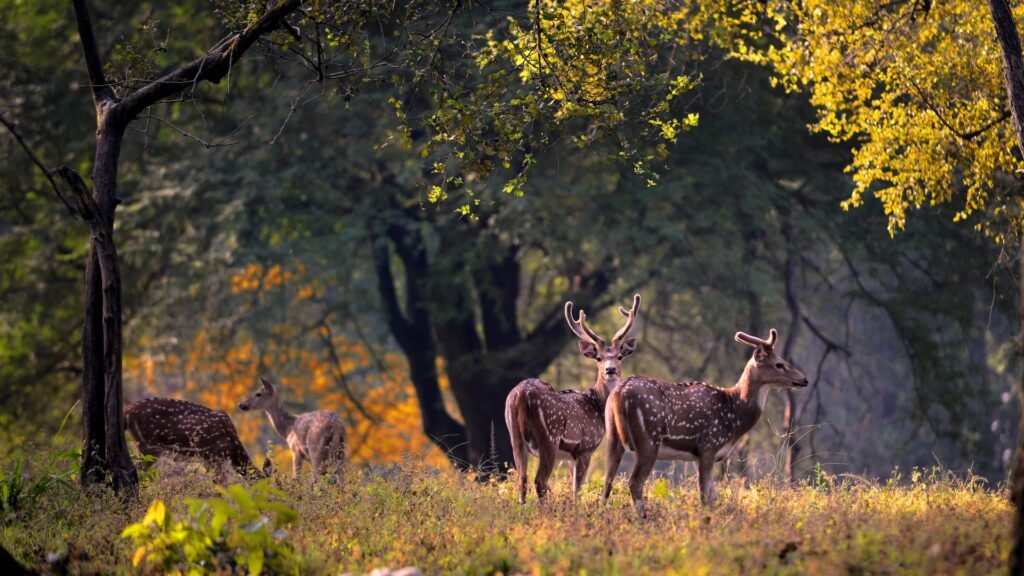
Kanha National Park
May 2024
The Town You Sleep In
Why the base town shapes a monsoon waterfall trip more than any single fall, what to look for, and towns in Karnataka, Kerala and Goa worth considering.
One village ghat upriver
Train versus road that week
Markets before the 20th, not on it
Journeys Worth Discovering
Explore inspiring destinations, memorable journeys and travel stories from across India and beyond.
Explore destinations




