
Udaipur was engineered as a stage for light. The architects of Mewar understood not only the defensive capabilities of the Aravalli topography but also the profound aesthetic potential of placing massive stone structures directly against vast, reflective bodies of water. For the visual artist, the city presents a complex environment of extreme contrasts: blindingly white marble against deep blue skies, narrow, pitch-black alleyways opening into sun-drenched courtyards, and heavy granite bastions floating above glassy lakes. Capturing the true character of this landscape requires more than simply pointing a lens at a monument; it demands a deep understanding of timing, atmospheric shifts, and the spatial geography of the region.
The Architecture of the Blue Hour: Ambrai Ghat
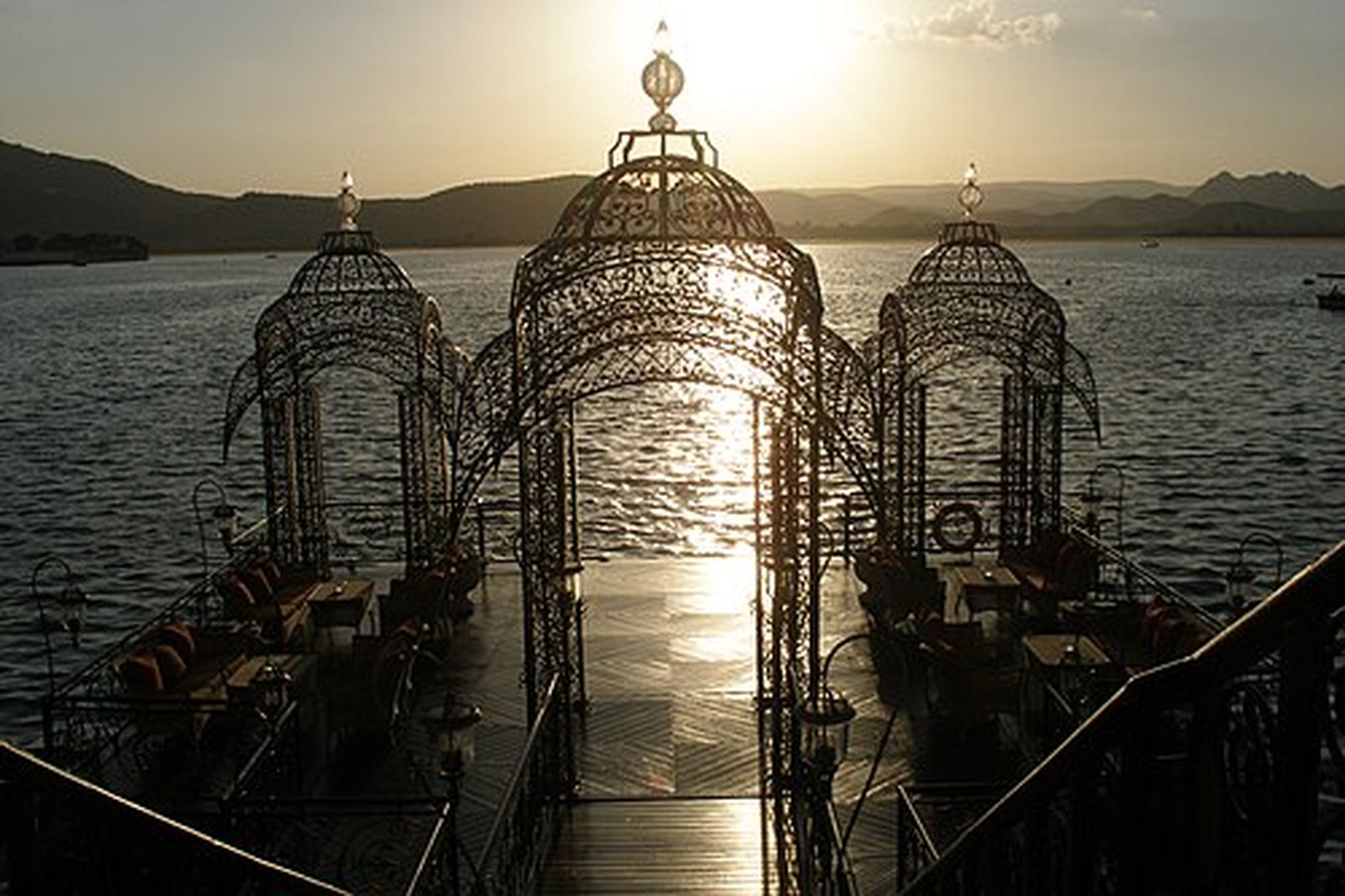
To photograph the monumental facade of the City Palace in its entirety requires physical distance and precise chronological execution. The eastern bank of Lake Pichola is too close to the architecture, forcing distorted, high-angle perspectives. The definitive vantage point lies on the western shore, specifically along the stone embankments of Ambrai Ghat.
The visual narrative here shifts dramatically as the sun drops below the horizon. The ancient ghats go completely silent after dark. While the late afternoon light provides a harsh, flat exposure, the onset of blue hour offers a perfectly balanced exposure window. The sunset crowds vanish, and a vast canopy of stars emerges over the floating palaces. The ancient, water-worn stone steps, now completely empty and quiet, cool against the night air. Vintage streetlamps at the ghat begin glowing yellow against the dark blue sky, providing an exquisite foreground. Across the water, the palace lights glow brightly, and the gentle lap of water meets the stone, creating the ideal conditions for a long-exposure shot that smooths the lake into a soft, ethereal mist.
The High-Altitude Frame: Sajjangarh and the Aravalli Ridges
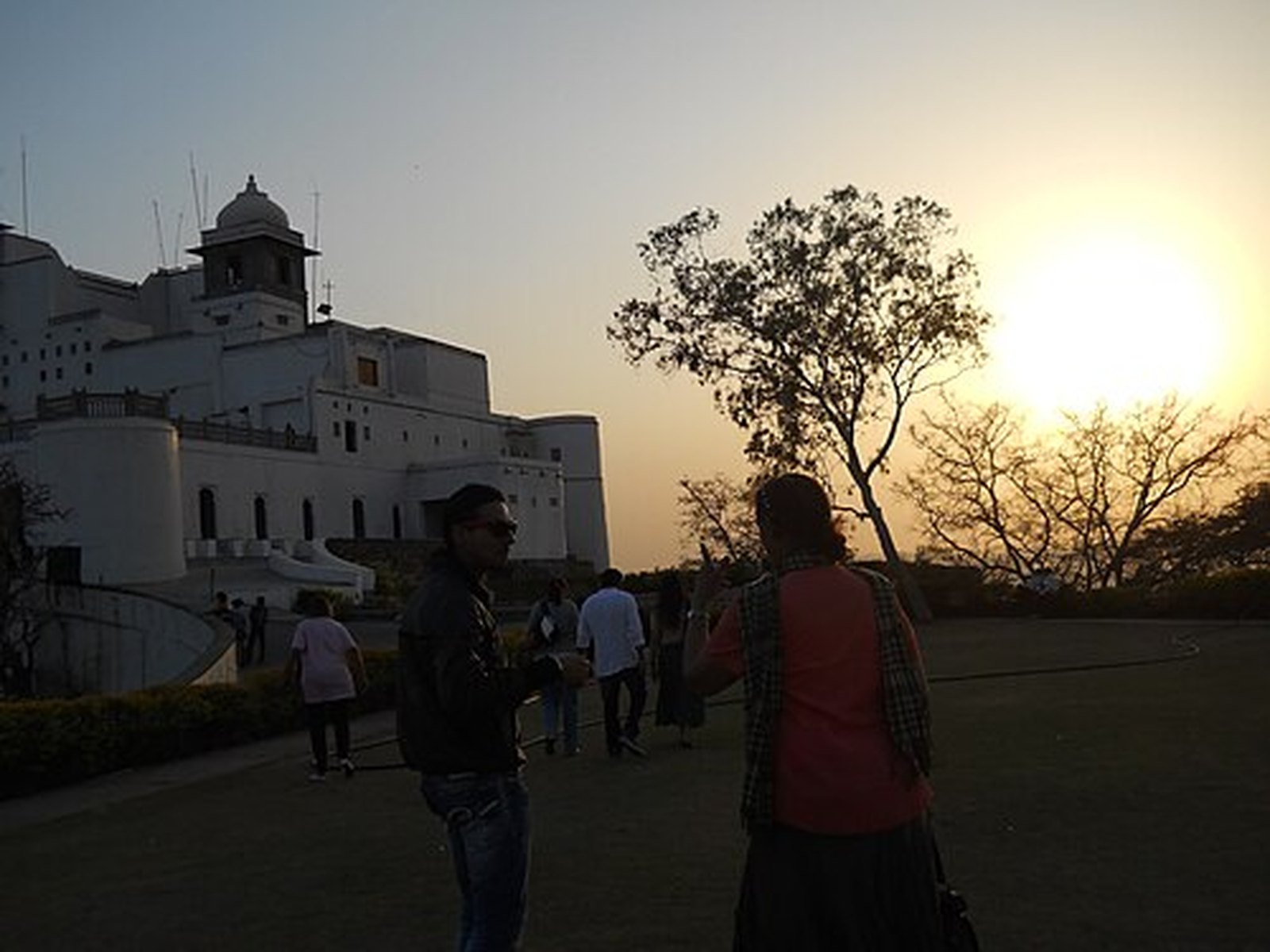
Contextualizing the geography of Udaipur requires significant elevation. Positioned 3,100 feet above the City of Lakes, the Monsoon Palace (Sajjangarh) offers an unparalleled, sweeping vantage point of the entire valley. The visual strategy here is to utilize the sheer scale of the landscape.
During the golden hour, the setting sun casts long, dramatic shadows across the dry-deciduous forests of the Aravalli hills, while the chain of artificial lakes reflects the fading light like sheets of copper. However, the most compelling visual emerges just after twilight. The hilltop palace goes completely silent after dark. The daytime winds drop, the marble courtyards settle under a pitch-black canopy, and the city below glows like scattered gold dust. Photographers can utilize the ancient outer walls, which sit in shadow, as natural, dark frames around the sparkling urban valley, capturing the profound isolation of the fortress as the faint hum of Udaipur fades.
Intimate Chiaroscuro: The 300-Year-Old Haveli Courtyards
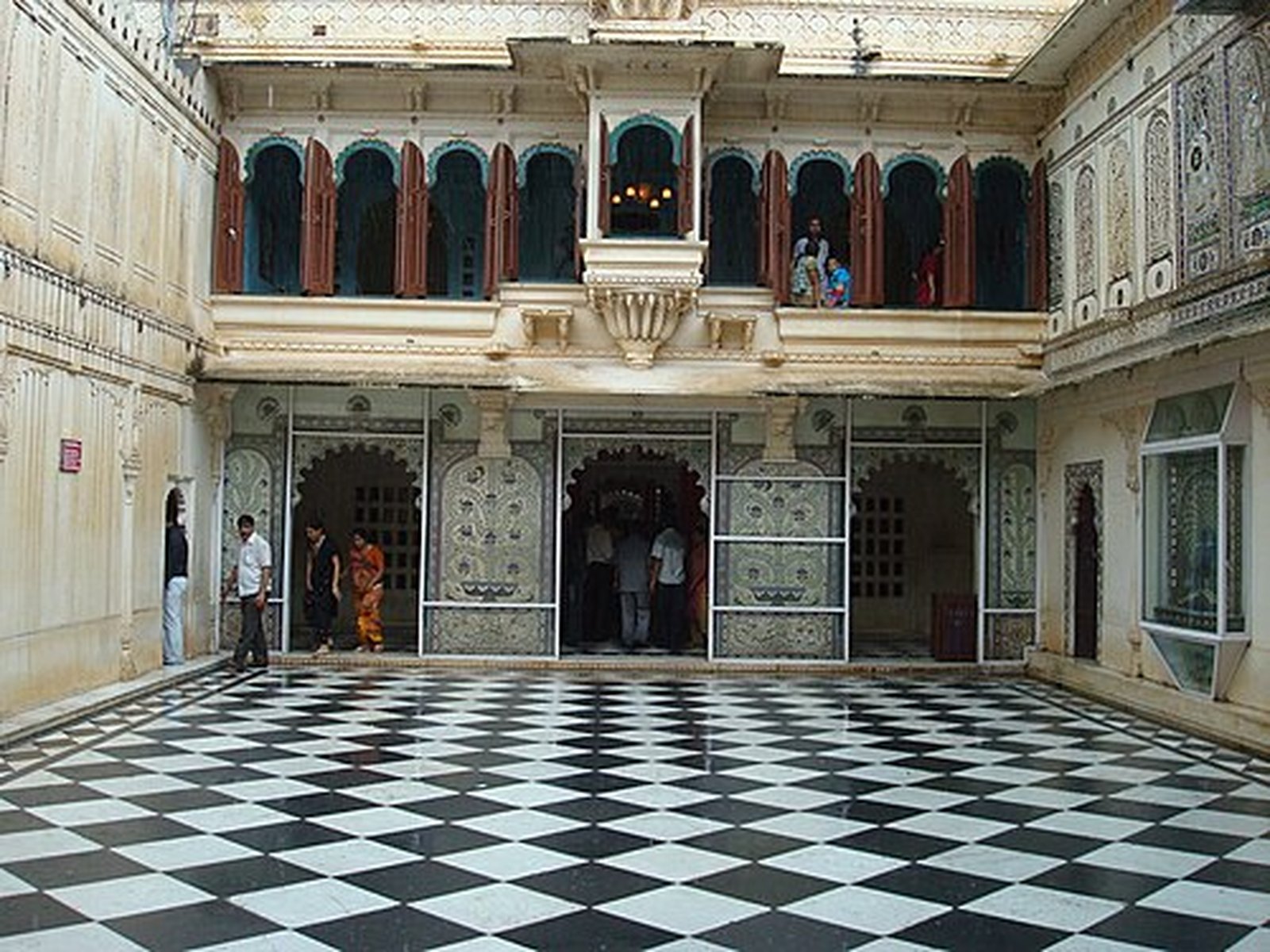
Moving from the macro scale of mountain ridges to the micro-level of the Old City demands a complete shift in photographic technique. The narrow, labyrinthine streets and ancestral townhouses are studies in shadow and restricted light. Stepping into a 300-year-old haveli is akin to stepping back into the 18th century.
The visual objective within these private spaces is to capture the intricate textures of the past. Navigating a dimly lit, narrow stone corridor with intricate arches requires fast prime lenses capable of drawing in minimal available light. The grand haveli goes completely silent after dark, and the daytime chatter vanishes. The architectural geometry comes alive as carved archways cast long shadows across the stone floors. Warm, vintage yellow lanterns illuminate the painted frescoes, allowing a photographer to isolate the brilliant, natural pigments used by centuries-old artisans. Focusing on a carved jharokha window catching the flickering lantern light, while the faint sound of a traditional flute drifts across the dark, produces a deeply atmospheric, intimate image devoid of modern interference.
The Mirror of the Wilderness: Astrophotography at Badi Lake
Astrophotography within the city limits is nearly impossible due to the light pollution radiating off the palace floodlights and dense urban grids. To capture the night sky over Mewar, one must retreat to the natural buffer zones on the outskirts of the city. Badi Lake, a stark, undeveloped reservoir framed by jagged peaks, serves as the definitive location for capturing the cosmos.
As night claims the valley, the wilderness lake goes completely silent after dark. The daytime heat drops, the surrounding Aravalli hills settle under a pitch-black canopy, and the sky reveals an overwhelming density of celestial bodies. Because the water is sheltered from the wind by the surrounding ridges, the stars glow brightly enough to reflect perfectly on the water’s surface. The three historic stone pavilions that mark the shoreline sit in shadow, providing a stark, monolithic foreground silhouette against the Milky Way. With the faint call of a night owl echoing in the distance, the absolute absence of mechanical noise mirrors the total absence of artificial light.
The Final Exposure: Lake Pichola at Midnight
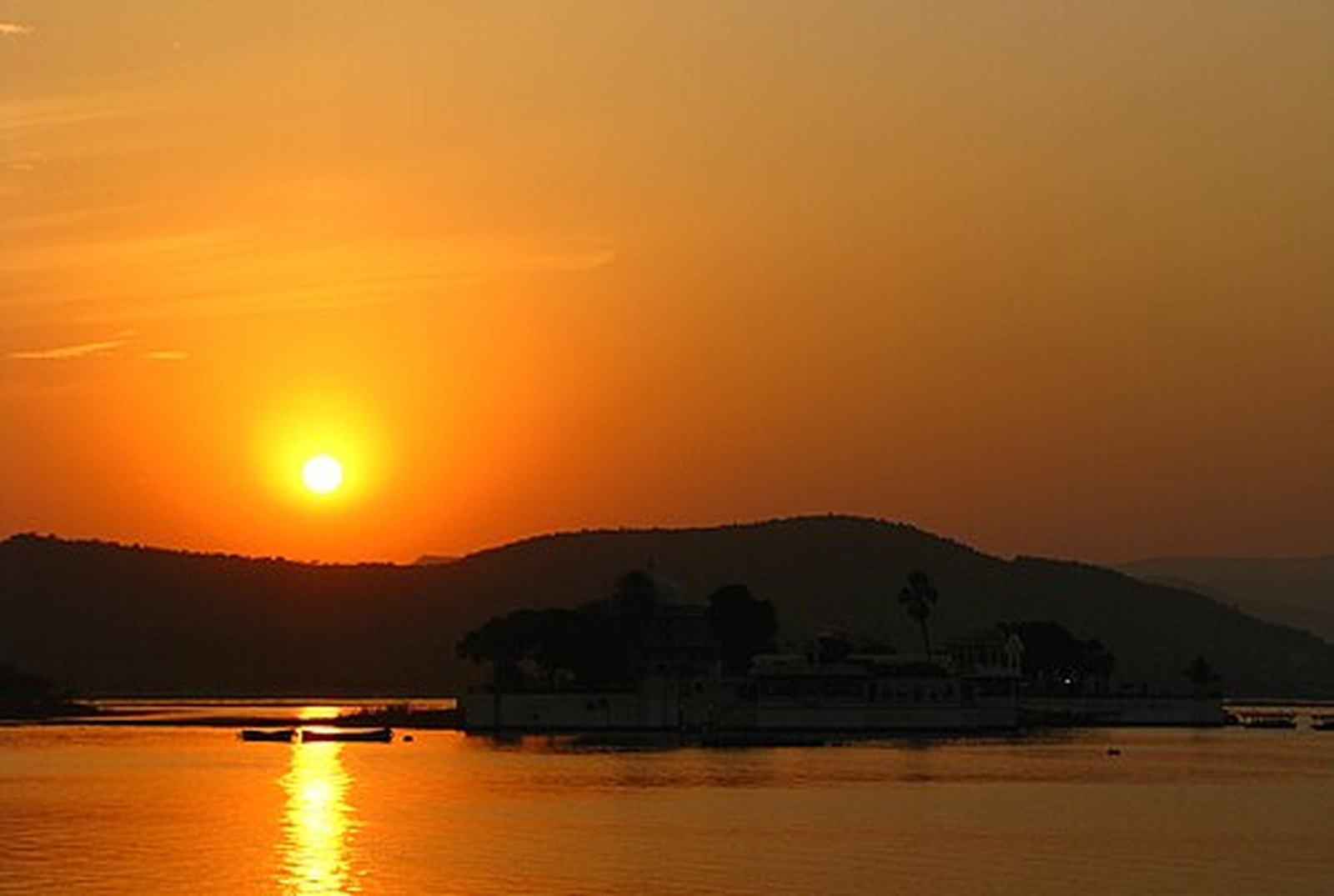
The most iconic images of Udaipur are inextricably linked to its central body of water, yet most commercial photography fails to capture the lake’s true character by shooting during the chaotic, heavily trafficked daylight hours. The definitive image of Lake Pichola is captured in the dead of night.
The royal lake goes completely silent after dark. The daytime tourist boats vanish, allowing the heavy wakes to dissipate until the ripples settle into black glassy water. Warm golden lights stretch across the surface, creating unbroken, luminous reflections. The Taj Lake Palace and City Palace glow gold, perfectly reflected on the calm, black water. The night air cools, and far off, a single temple bell echoes, emphasizing the stillness of the frame. Photographing this scene requires mounting a camera to the stone embankments, opening the shutter, and allowing the glowing heritage architecture to burn slowly into the sensor.
To photograph Udaipur successfully is to reject the hurried pace of a tourist itinerary. It requires sitting quietly on ancient stones, watching the shadows lengthen, waiting for the heavy municipal ferries to dock for the evening, and allowing the natural interaction of light, stone, and water to dictate the final image.
