
Issue 86 of Travel Viewpoint goes high. This month is about Spiti, the cold desert valley in Himachal Pradesh, and about travelling it slowly, carefully and with respect for the altitude, the road and the people who live there.
Spiti is one of those places that people talk about in superlatives. The highest this, the remotest that, the most dramatic road in the country. Some of those claims are true, some are exaggerated, and most of them miss the point. What makes Spiti special is not a record. It is the sense of a whole valley living on its own terms, at its own pace, in a landscape that does not bend to visitors.
This issue is built around one idea: that Spiti rewards the traveller who slows down. Every piece in it, from the road in to the last photograph, is about doing less, doing it better and coming home well.
What is in this issue
1. Inside This Issue. You are reading it. A map of the twelve pieces and how they fit together.
2. Editor’s Letter. Why we chose Spiti, why we chose to write about it slowly, and what we hope you take away.
3. The Road In, and the Day You Should Not Start. The two main routes into the valley, from the Kinnaur side and from Manali over the high passes, and why the most important decision of the trip is often the day you choose not to drive.
4. Kaza as a Town, Not a Checklist. Kaza is the valley’s main town and the base for most visitors. We look at it as a place to live in for a few days rather than a dot on a circuit.
5. One Village Homestay. What it is like to stay with a family in a high Spiti village, what to expect, and how to be a good guest.
6. What June Does to the Passes. Early summer is when the road over the high passes typically reopens. We explain why opening dates vary and what that means for planning.
7. A Rest Day at Altitude. The day that most itineraries leave out and every body needs. Acclimatisation, symptoms to watch for and how to spend a quiet day well.
8. A Guest Who Turned Back. Our guest post this month: a traveller’s account of deciding not to continue, and why that was the right call.
9. Permits, Fuel and the No-Network Hours. The practical page. Who may need permits, where to fill up, and how to plan for long stretches without a mobile signal.
10. A Monastery Morning. An early start at one of the valley’s great monasteries, and how to visit respectfully.
11. The Side Valley. The Pin Valley, Spiti’s greener, quieter neighbour, and why it deserves more than a day trip.
12. The Photograph Without a Drone. Making pictures in Spiti with your feet, your patience and the light, and why drones are best left at home.
How to use this issue
You can read the pieces in any order, but they are arranged roughly in the order of a trip. The road comes first, because nothing in Spiti happens without it. Then the town, the villages and the passes. Then the day you rest, the day you might turn back and the practical things that hold it all together. We end with three slower pieces: a monastery, a side valley and a photograph.
If you are planning a first visit, we suggest reading pieces 3, 6, 7 and 9 before anything else. Those four will shape your dates, your route and your margin for things going wrong. The others will shape what you do with the time.
When to read it
If you are travelling this season, we suggest reading the issue a few weeks before you leave, and again a day or two before you set out on the road. The first reading will help you plan your route and dates; the second will remind you of the small things, such as carrying cash, downloading offline maps and packing warm layers, that are easy to forget in the rush of departure.
A word on accuracy
High-altitude travel information goes out of date quickly. Road conditions, pass opening dates, permit rules and fuel availability change from season to season and sometimes from week to week. Throughout this issue we have tried to stick to what is well established and to say clearly when we are unsure. We have not printed prices, exact opening dates or fixed timings, because they would mislead more than they would help.
Altitudes in this issue are approximate. Different sources give slightly different figures for the same town or pass, and we have used rounded numbers where we use them at all.
Please treat this issue as a starting point and check current conditions with local authorities, your accommodation and your driver before you travel.
A word on health
Much of Spiti lies well above 3,000 metres, and parts of the road climb considerably higher. Altitude sickness is a real risk for anyone, regardless of fitness. Nothing in this issue is medical advice. If you have a heart or lung condition, are pregnant, or have any doubts, speak to a doctor before you plan a trip, and be ready to descend if you feel unwell.
A word on respect
Spiti is home to communities with deep Buddhist traditions and a fragile environment. Water is scarce, waste is hard to manage and the growing number of visitors puts real pressure on both. We have tried throughout to suggest ways of travelling lightly: carrying waste out, using refillable bottles, staying in locally run homestays and dressing and behaving respectfully in monasteries and villages.
Thank you
This issue draws on the experiences of travellers, drivers, homestay hosts and readers who have written to us over the years. Thank you to everyone who shared their stories, their corrections and their advice. As always, if you spot something that has changed, please tell us, and we will update the relevant piece.
Turn the page, and let us start with the road.
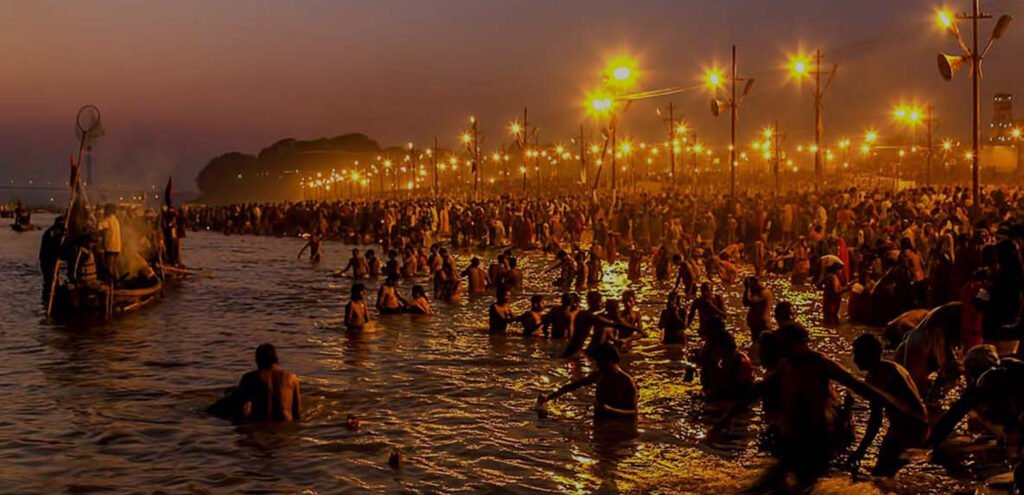
Allahabad is here…
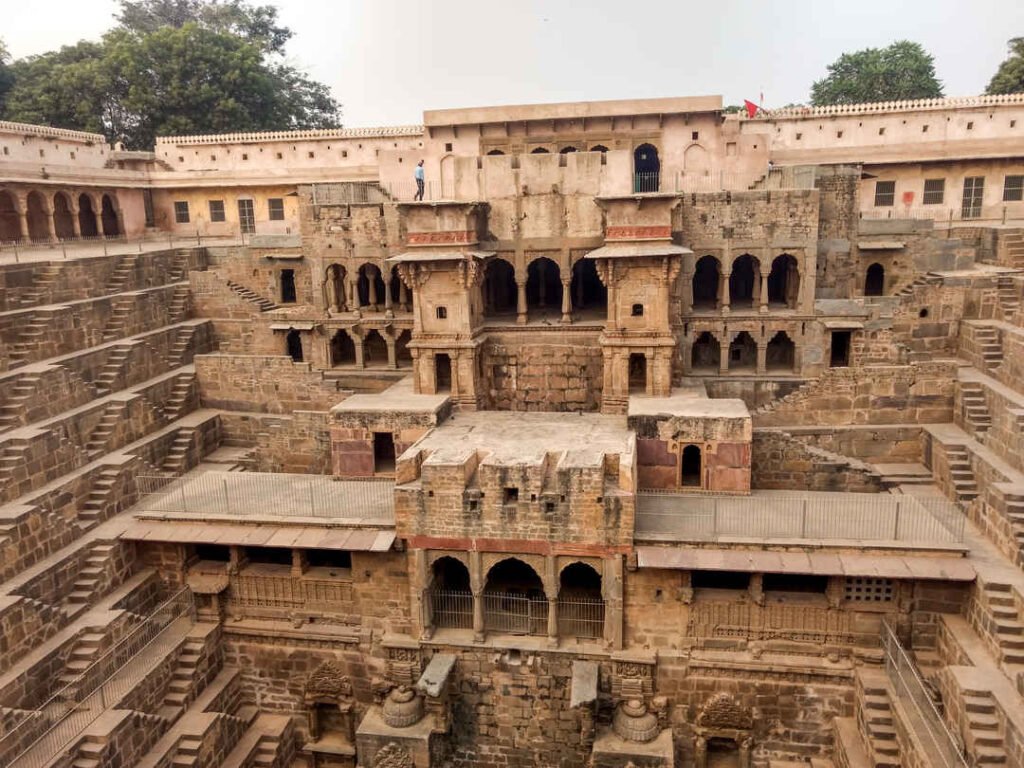
Abhaneri Festival
July 2024
The Town You Sleep In
Why the base town shapes a monsoon waterfall trip more than any single fall, what to look for, and towns in Karnataka, Kerala and Goa worth considering.
One village ghat upriver
Train versus road that week
Markets before the 20th, not on it
Journeys Worth Discovering
Explore inspiring destinations, memorable journeys and travel stories from across India and beyond.
Explore destinations




