
In summer, a Himalayan pass is a destination. People drive up to it, take photographs at the signboard and drive down again. In January, a pass is something else entirely: a wall. Snow piles up metres deep, winds scour the ridges, avalanches sweep across the road, and the people who keep these routes open retreat to lower camps until spring.
If you are travelling to the mountains this month, the passes shape your trip more than anything else. Here is how they usually behave, and how to plan around them. Closures change with every storm, so treat this as background and check the latest official updates before setting out.
The general rule
Most high road passes in the Indian Himalaya are closed to normal traffic for much of the winter. The exact dates vary year to year with snowfall, but the pattern is consistent: roads above roughly 3,500 to 4,000 metres usually close by late November or December and reopen somewhere between April and June.
Even lower passes and approach roads can shut for days after a heavy fall, while snow-clearing crews work. The Border Roads Organisation and state public works departments maintain many of these routes, and local administrations decide when they open or close to civilian vehicles.
So the first rule of January travel is simple. Do not plan a trip that depends on a high pass.
Himachal Pradesh
Rohtang Pass (around 3,980 metres). The famous pass above Manali, on the old road to Lahaul, is normally closed to tourist traffic through the winter. Even in the open months, visits are regulated with an online permit system and a daily cap on vehicles. In January, do not expect to go there.
Atal Tunnel. Since it opened in 2020, the Atal Tunnel under the Rohtang ridge has changed winter life in Lahaul. The tunnel, a little over nine kilometres long, connects the Manali side to the Lahaul valley near Sissu without crossing the pass. In principle it allows year-round access. In practice, the approach roads at both ends can be blocked by heavy snow, and the authorities sometimes restrict traffic, especially for tourist vehicles, during and after storms. On good days, a trip through the tunnel to see the snowbound Lahaul side is possible. On bad days, vehicles are stopped well before Solang. Check before you go.
Kunzum Pass and Baralacha La. The routes from Lahaul to Spiti over Kunzum, and on towards Ladakh over Baralacha La, are closed in winter. Spiti is still reachable in winter by the lower road via Kinnaur from Shimla, but that route too can be blocked by landslides and snow.
Jalori Pass. The lower pass between the Banjar valley and the Sutlej side, at a little over 3,100 metres, often closes after heavy snow and reopens when cleared. Plan on it being unreliable.
Jammu and Kashmir
Zojila (around 3,500 metres). The pass between the Kashmir valley and Ladakh is normally closed to regular traffic for several months each winter. Its closure and reopening dates are announced and widely reported. A long tunnel under Zojila is under construction and may change this in future; until it opens, assume the pass is shut in January.
Sinthan Top. The road from Kashmir towards Kishtwar over Sinthan is a summer and autumn route and usually closes with the first big snows.
Mughal Road (Pir Ki Gali). The historic road between Shopian and Poonch is closed for much of the winter.
Jammu–Srinagar highway. This is not a pass in the usual sense, since the Jawahar and newer Banihal tunnels carry the road through the Pir Panjal at lower height, but heavy snow and landslides around Banihal and Ramban still close it from time to time in winter. The J&K Traffic Police issue daily advisories.
Gulmarg. The road from Tangmarg up to Gulmarg is short but steep and needs clearing after heavy snow. Chains or four-wheel drive may be required. See Gulmarg when you are not chasing a photo.
Uttarakhand
Uttarakhand’s highest roads lead to the border areas and the high pilgrimage sites, and many are closed or restricted in winter. Relevant for snow travellers:
- Joshimath to Auli. Usually open, but it can close or need chains after heavy snow.
- Beyond Joshimath towards Badrinath. The Badrinath temple is closed in winter, and the road above can be blocked by snow and avalanches.
- Approaches to the Char Dham and high villages are similarly affected.
Our Auli for people who do not ski all day guide covers what to do once you are up.
How to plan around closed passes
- Choose destinations below the snowline of the passes. Gulmarg, Auli, Manali, Narkanda and Shimla are all winter destinations reached without crossing a high pass.
- Build buffer days. A single storm can close a road for one to three days. Never book a flight home for the day after your last mountain night.
- Follow official channels. District administrations, state traffic police, the India Meteorological Department and avalanche bulletins from the Defence Geoinformatics Research Establishment are better sources than social media videos.
- Ask your hotel and driver. Local drivers often know before anyone else when a road is about to close. Listen to them.
- Carry supplies. Water, snacks, warm clothes, a charged phone and a power bank. Being stuck in a car for several hours is common.
- Do not attempt closed roads. Barriers are there because people have died. Taking a risk to save a day is never worth it.
The other way to see the passes
If you want the drama of a high pass in winter, consider viewing it rather than crossing it. From the Solang valley above Manali you can look up towards the snowbound ridges. From Gulmarg’s gondola, on clear days, the views take in the Pir Panjal. From Auli you look across at peaks far higher than any road.
The passes will reopen in spring. In January, let them rest, and enjoy the snow from somewhere you can safely reach. For our full safety notes, read Avalanche, road and permit notes.
More from Issue 81
- Issue 81 index: Snow Destinations of India
- Auli for people who do not ski all day
- Manali's old village, not the Mall Road
- A rest day is part of the trip
Fuel, FASTag and fog
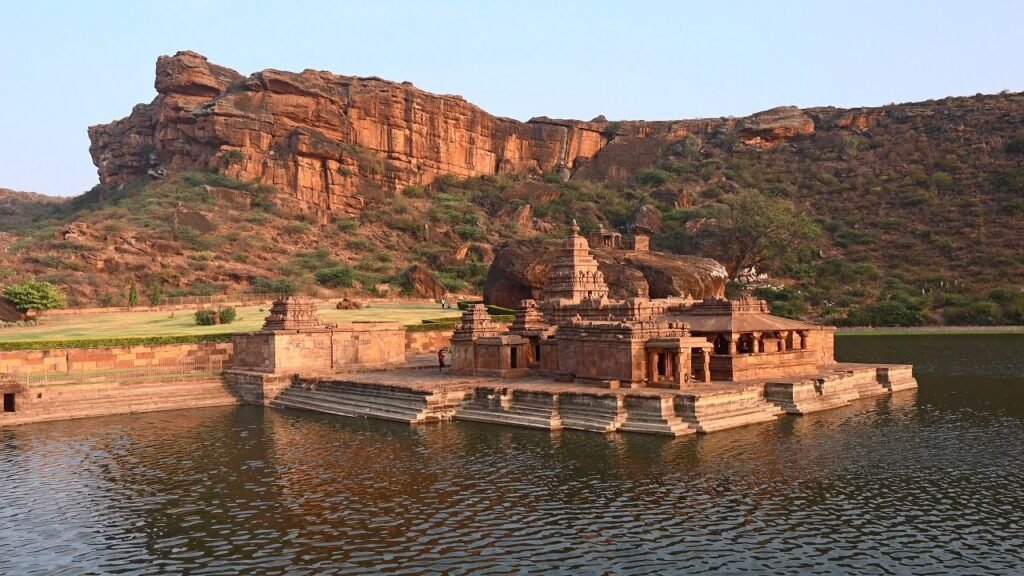
Badami & gold-rust sandstone cliffs

The Antique Andhra Pradesh
The Town You Sleep In
Why the base town shapes a monsoon waterfall trip more than any single fall, what to look for, and towns in Karnataka, Kerala and Goa worth considering.
One village ghat upriver
Train versus road that week
Markets before the 20th, not on it
Journeys Worth Discovering
Explore inspiring destinations, memorable journeys and travel stories from across India and beyond.
Explore destinations




