
Every good road trip story is made of mountains, forts, beaches and chai stops. Every bad road trip story starts with something much more boring: an empty fuel tank in the hills, a FASTag that would not work at a toll plaza, or a stretch of ghat road where the mist came down so fast the driver could barely see the bonnet.
This piece is about those boring things. In August, on an Independence Day long weekend, they matter more than ever.
Fuel: plan it, do not improvise it
On India’s major highways, fuel stations are generally plentiful. On national highways connecting big cities, you will usually find a pump every few kilometres, along with food courts and rest areas. The problem starts when you leave the main road for hills, forests or rural spurs, which is often exactly where the best parts of a road trip are.
Simple fuel rules
- Keep the tank above half in the hills. Pumps can be far apart, and steep climbs use more fuel than you expect.
- Fill up before you leave the highway. If your destination is a hill station or a fort off the main road, fill up at the last large town.
- Know your car’s range. Check your fuel efficiency on the highway and on climbs, and plan accordingly.
- Carry some cash. Most pumps accept UPI and cards, but in remote areas networks can fail.
- Choose busy stations. On long weekends, queues at smaller pumps can be long, and busy stations are more likely to have stock.
If you drive an electric vehicle, the situation is changing quickly. Charging networks along major highways have expanded, but coverage in hills and rural areas can still be thin. Plan charging stops in advance using the apps of the charging networks you rely on, and have a backup option in case a charger is out of service or occupied.
FASTag: the small sticker that saves hours
FASTag is the electronic toll collection system used on India’s national highways. A small RFID sticker on your windscreen is linked to a prepaid account or bank account, and the toll is deducted automatically as you pass through the plaza. Since February 2021, FASTag has been mandatory for most vehicles on national highways, and vehicles without a valid, functional tag may be charged a higher amount at the plaza.
Before you leave
- Check that your tag is active. Regulations around KYC and old tags have changed several times in recent years. Log in to your issuer’s app or website and confirm your tag is active and linked to your vehicle.
- Top up your balance. On a long road trip with several toll plazas, the cost adds up. Make sure you have enough for the round trip plus a margin.
- Check that the sticker is properly fixed. A loose or damaged tag may not be read. It should be stuck firmly on the inside of the windscreen, usually near the rear-view mirror.
- Keep the issuer’s helpline number handy in case of problems at a plaza.
The annual pass
In 2025, the Ministry of Road Transport and Highways introduced a FASTag annual pass for private, non-commercial vehicles, which began on 15 August 2025. It was announced as allowing a set number of trips or a year’s validity, whichever comes first, on national highways and expressways operated by the National Highways Authority of India, in exchange for a one-time payment. Coverage, eligibility and terms are set by the government and may change, and the pass does not apply on every toll road, including some state-operated highways and expressways. If you drive often on national highways, check the latest details on the official NHAI or Rajmargyatra channels before deciding whether it is worth it for you.
At the plaza
Use the FASTag lanes, and slow down well before the barrier. If the barrier does not open, do not reverse suddenly; signal and wait for staff to assist.
Fog and mist: the August version
When most people think of fog on Indian roads, they imagine the dense winter fog of north India in December and January. In August, the problem is different but just as real: monsoon mist and low cloud in the hills and ghats, and heavy rain that cuts visibility on the plains.
On ghat roads in the Western Ghats, the Aravallis and the Himalayan foothills, low clouds can roll across the road with little warning. Visibility can drop to a few metres in seconds, and the road surface may be wet and slick.
How to drive in mist and heavy rain
- Slow down early. Reduce speed before you enter a misty stretch, not after.
- Use low beams and fog lamps, not high beams. High beams reflect off mist and make visibility worse.
- Keep a long gap. Braking distances are much longer on wet roads.
- Use the road edge as a guide. Many highways have painted edge lines or reflectors.
- Do not stop on the carriageway. If visibility becomes dangerous, pull completely off the road at a safe spot, with hazard lights on.
- Avoid night driving in the hills. Mist, rain and darkness together are a dangerous combination.
Get the car ready
Before a monsoon road trip, check your wipers, tyres, brakes and lights. Worn wipers that smear the windscreen can make rainy driving exhausting. Tyres with low tread are more likely to aquaplane on standing water. Make sure your demister works, since misted-up windows are a common monsoon problem.
Weather and road updates
In the monsoon, conditions can change quickly. Before and during a road trip, check:
- Weather warnings from the India Meteorological Department.
- Traffic and road updates from state police or highway authorities.
- Local news for landslides and road closures in hill areas.
The quiet satisfaction of preparation
None of this is exciting. But a tank that is never close to empty, a toll plaza you pass in seconds, and a misty ghat you drive through calmly are the foundations on which great road trips are built. Get the boring things right, and the rest of the long weekend can be about the views.
More from Issue 76
- Independence Day Road Trips: August 2025 Issue Index
- Editor’s letter: The Independence Day Road Trips
- Delhi to Kumbhalgarh in three days
- Bengaluru toward Hampi after the rain
- What the highways actually do on 15 August
- One fort at opening hour
- A night in a highway town worth stopping
- The route to skip because of convoys
- A guest note from the passenger seat
- A less-driven spur off the main highway
- Packing for a hot car

Ambala, the ‘City of Scientific Instruments’

Kerala Ayurveda: A Traditional Healing Art
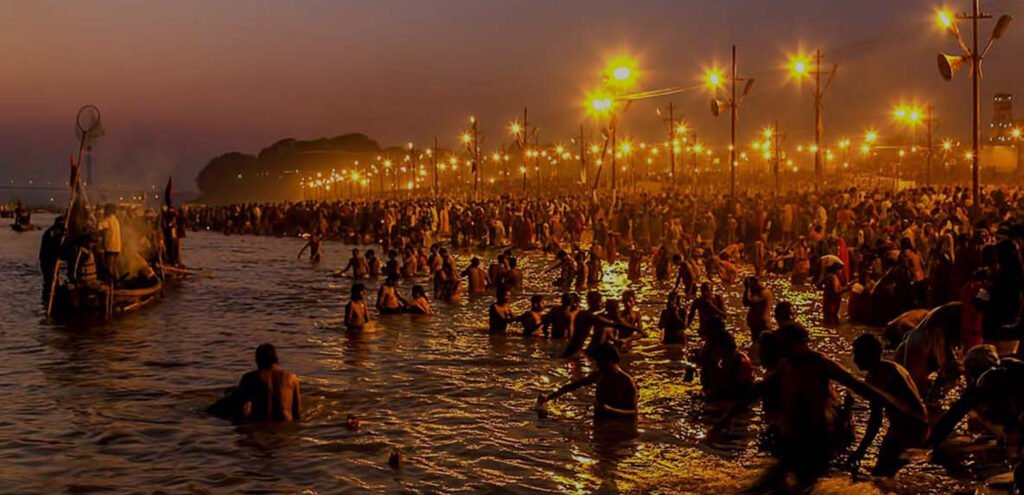
Allahabad is here…
The Town You Sleep In
Why the base town shapes a monsoon waterfall trip more than any single fall, what to look for, and towns in Karnataka, Kerala and Goa worth considering.
One village ghat upriver
Train versus road that week
Markets before the 20th, not on it
Journeys Worth Discovering
Explore inspiring destinations, memorable journeys and travel stories from across India and beyond.
Explore destinations




