
Guest Post. [Guest writer’s name and short bio to be added before publishing.]
Every road trip has a hero, and it is never the passenger. The driver gets the credit for the long hours, the clever overtakes, the safe arrival. The passenger, in the stories we tell afterwards, mostly sleeps, eats chips and changes the music at the wrong moment.
I have spent many long weekends in the passenger seat, and I want to make a modest case for the job. It is not glamorous. But done well, it changes the trip for everyone in the car, and it offers a way of seeing the country that the driver, eyes fixed on the road, rarely gets.
The first hour: the navigator
We left before dawn on the morning of the long weekend, which, if you have read the rest of this issue, you will know is the only sensible time to leave a big Indian city on a holiday. The roads were empty and blue-grey. My first job was simple: keep the phone on the dashboard mount, keep the volume up on the navigation app, and say “next left” a few seconds before the app does.
What I learned over many trips is that the passenger’s real job in the first hour is not navigation. It is calm. The driver is concentrating hard, and the city is full of small hazards: a bus that pulls out without warning, a two-wheeler going the wrong way, a dog asleep on the road. A passenger who chats loudly, scrolls, or criticises can make things harder. A quiet “auto on the left” is worth more than any playlist.
The second hour: the keeper of snacks
Once the city falls away and the highway opens up, the mood in the car changes. This is when the passenger becomes the keeper of snacks and the guardian of water. Over the years, I have learned to pack a small bag that sits by my feet: a steel bottle of water, some fruit, roasted chana, a packet of biscuits, and a flask of tea. Being able to hand the driver a sip of water without stopping is a small kindness that adds up over a long day.
It is also the passenger’s job to say, gently, “Shall we stop?” Drivers on a mission are notoriously bad at noticing their own tiredness. I have found that asking the question every couple of hours, without making a fuss, makes it easy for the driver to say yes.
The middle of the day: the noticer
This is the part of the trip I love. With the navigation under control and the snacks distributed, the passenger is free to look out of the window, and the window of a car on an Indian highway in August is a wonderful thing.
On that trip I noticed things the driver could not. A school procession, children in white uniforms carrying paper flags towards a village ground for the 15 August ceremony. A field of sunflowers, heads all turned the same way. Women in bright saris walking along the edge of the road with bundles on their heads. A tea stall with a hand-painted sign. A shrine at the foot of a banyan tree, freshly decorated with marigolds.
I started writing these down in a small notebook, a habit I have kept. At the end of the day, reading the list aloud, we discovered we had seen a whole country in a single drive. The driver had been there for all of it, but had seen almost none of it.
The afternoon slump: the DJ and the storyteller
By early afternoon, energy in the car drops. This is where the passenger can make or break the day. Music helps, but so does conversation. On our trips, we have a rule: the passenger chooses the music, but the driver can veto. It keeps the peace.
I also like to read aloud about where we are going. A paragraph from a history book, a page about the fort we will see the next morning, or a story about the region. When we drove towards Hampi one August, I read about the Vijayanagara empire as the boulders started to appear on either side of the road. By the time we arrived, we felt we already knew a little of the place.
When things go wrong: the fixer
Not every trip runs smoothly. On one long weekend we found the road ahead closed because of a landslide. On another, a tyre went flat in the middle of nowhere. In both cases, the passenger’s job was to stay calm and solve problems: find a detour on the map, call ahead to the hotel to say we would be late, look up the nearest puncture repair shop, and keep everyone fed and hydrated while we waited.
I have learned to keep a few things to hand for these moments: a charged power bank, the hotel’s phone number written on paper, a printed copy of the route, and the number for roadside assistance if your car or insurer provides it.
Night driving: the second pair of eyes
If you end up driving after dark, which we try hard to avoid, the passenger’s role changes again. Stay awake. Watch for unlit vehicles, animals on the road, and potholes the headlights miss. Keep the cabin quiet, and do not let the driver push on when they are tired.
What the passenger seat teaches
After many years of road trips, I have come to think of the passenger seat as a kind of privilege. You are not responsible for the car, but you are responsible for the journey. You get to see the country unfold, notice the small things, and help create the mood that everyone will remember later.
On an Independence Day weekend, there is something especially fitting about that. The road is full of people heading home, to temples, to hills, to the coast. Flags flutter from trucks and scooters. Villages are celebrating. From the passenger seat, you get to see all of it, and to feel, for a few hours, part of a very large and very busy family.
A passenger’s checklist
- A small bag at your feet with water, snacks and tissues.
- A phone mount, a charging cable, and a power bank.
- Offline maps downloaded for the route.
- A notebook for the things you see.
- Something to read aloud about where you are going.
- Patience, and the good sense to stay quiet when the driver needs to concentrate.
So, next time you set off on a road trip, take the passenger seat seriously. The driver will get you there. The passenger decides what kind of journey it was.
More from Issue 76
- Independence Day Road Trips: August 2025 Issue Index
- Editor’s letter: The Independence Day Road Trips
- Delhi to Kumbhalgarh in three days
- Bengaluru toward Hampi after the rain
- What the highways actually do on 15 August
- One fort at opening hour
- A night in a highway town worth stopping
- The route to skip because of convoys
- Fuel, FASTag and fog
- A less-driven spur off the main highway
- Packing for a hot car
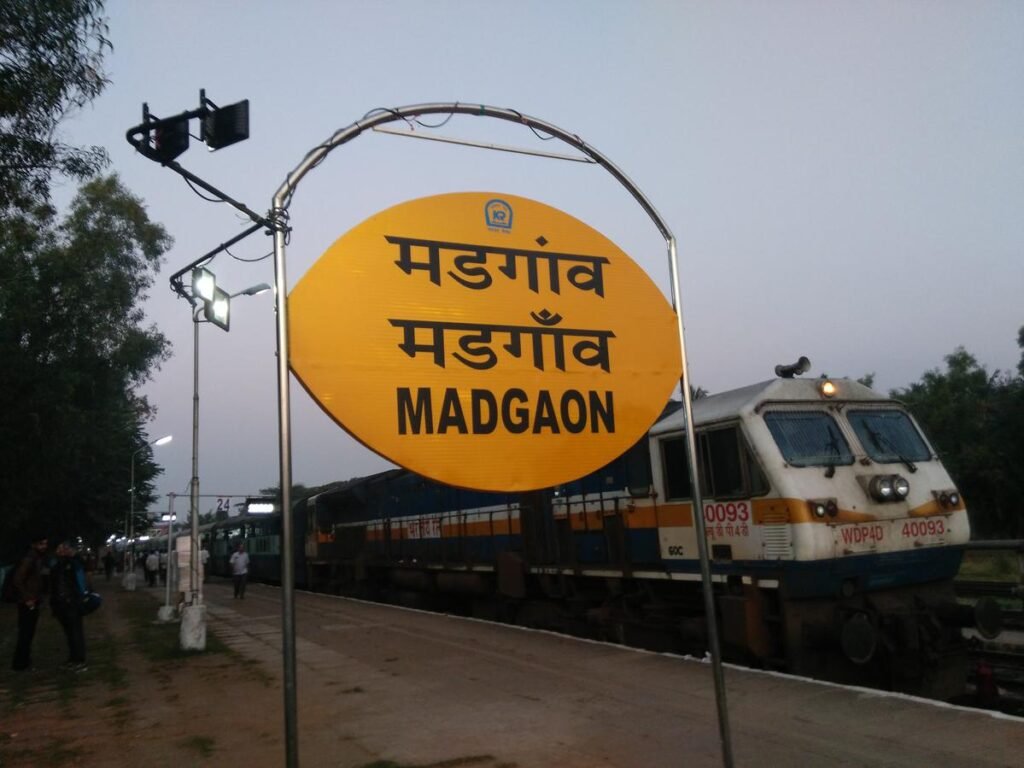
Explore Margao
One courtyard, one diya, one neighbour

Majnu Ka Tila – The Tibetan Market
The Town You Sleep In
Why the base town shapes a monsoon waterfall trip more than any single fall, what to look for, and towns in Karnataka, Kerala and Goa worth considering.
One village ghat upriver
Train versus road that week
Markets before the 20th, not on it
Journeys Worth Discovering
Explore inspiring destinations, memorable journeys and travel stories from across India and beyond.
Explore destinations




