
Most travellers who drive to Hampi treat it as the end of the road. They see the ruins, perhaps visit Anegundi, and turn back towards Bengaluru or Hyderabad. But a little to the north-west, along quieter roads through farmland, lies one of the most important groups of monuments in the history of Indian architecture: Badami, Aihole and Pattadakal.
Together these three places tell the story of the early Chalukya dynasty, which ruled much of the Deccan between roughly the 6th and 8th centuries, centuries before Vijayanagara rose at Hampi. If Hampi is the grand finale of medieval south Indian architecture, these are the opening chapters.
Why take the spur
There are three good reasons to add this spur to an Independence Day road trip.
First, it is quieter. Badami attracts a steady stream of visitors, and Pattadakal is a UNESCO World Heritage Site, but neither sees the crowds that the most famous monuments do on a long weekend.
Second, it is beautiful in August. The country between Hampi and Badami is farmland, and after the rains it turns green. The red sandstone cliffs of Badami, streaked dark by monsoon water, are especially dramatic.
Third, it completes the story. Seeing the early experiments in temple building at Aihole and Pattadakal and then the mature Vijayanagara temples at Hampi gives you a sense of how architecture developed over a thousand years in this region.
The road
The distance from Hampi or Hosapete to Badami is commonly put at roughly 130 to 150 kilometres depending on your route, and the drive usually takes a few hours. Aihole and Pattadakal lie between and around them, close enough that you can see all three in a day if you start early, though two days is more relaxed.
The roads here are a mix of state highways and smaller district roads. They are generally manageable, but in the monsoon you may find patches of rough surface, waterlogging, and slow farm traffic. Drive in daylight and allow plenty of time.
Badami: caves in a red cliff
Badami, known in history as Vatapi, was the capital of the early Chalukyas. It sits in a natural amphitheatre of red sandstone cliffs, around a large tank called Agastya Tirtha.
The cave temples
The highlight of Badami is its group of rock-cut cave temples, carved into the cliff above the town. There are four main caves, dedicated to Shiva, Vishnu and the Jain tradition, dating mostly from the 6th century. The carvings inside are among the finest in India, including a dancing Shiva with many arms and large panels of Vishnu in his various forms.
Climbing up to the caves takes some effort, and the steps can be slippery in the rain. The views over the tank and town are worth it.
Around the tank
Across the tank, on the northern hill, are the remains of early temples and fortifications, including the Bhutanatha temples at the water’s edge. In the early morning, with mist lifting off the tank and reflections of the temples in the water, it is one of the most peaceful places in Karnataka.
Watch out for monkeys, which are numerous at Badami and quick to grab food or bags.
Aihole: a laboratory of temples
Aihole is often described as a laboratory or cradle of Indian temple architecture. In and around this small village are many temples, dating from the 5th or 6th century onwards, built in a variety of styles as architects experimented with form.
The Durga Temple
The most famous building at Aihole is the Durga temple, with an unusual apsidal, horseshoe-shaped plan and a colonnaded walkway around it. Despite its name, it is not believed to have been dedicated to the goddess Durga; the name is thought to come from its association with a fort, or durg.
The Lad Khan Temple and others
The Lad Khan temple, one of the earliest at Aihole, is a simple, flat-roofed structure that looks almost like a hall. The Meguti temple on the hill above the village carries an important inscription of the Chalukya king Pulakeshin II. Many smaller temples are scattered through the village, some among houses and fields.
Aihole is spread out, and part of its appeal is wandering. Allow a couple of hours.
Pattadakal: the coronation town
Pattadakal, on the banks of the Malaprabha river, was the place where Chalukya kings were crowned, and it is home to a remarkable group of temples inscribed by UNESCO as a World Heritage Site in 1987.
What makes Pattadakal special is that it brings together two great architectural traditions. Some temples are built in the northern Nagara style, with curving towers, and others in the southern Dravida style, with stepped pyramidal towers. Seeing them side by side is like reading two languages on the same page.
The Virupaksha Temple
The largest and most celebrated temple at Pattadakal is the Virupaksha, built in the 8th century by Queen Lokamahadevi to commemorate her husband’s victory over the Pallavas. Its carvings, including scenes from the Ramayana and Mahabharata, are superb. It is often said to have influenced later temples, including the Kailasa temple at Ellora.
Check opening hours and entry fees with the ASI before you visit.
Where to stay
Badami is the most practical base for the spur, with a range of hotels and simple lodges. Book ahead on a long weekend. Aihole and Pattadakal have fewer options for overnight stays.
Food
North Karnataka food is hearty and delicious. Look for jolada rotti with spicy curries, ennegai, and an assortment of chutney powders. Simple local restaurants in Badami serve good, inexpensive meals.
Making it work
A sample plan:
- Day one: Leave Hampi early, drive to Pattadakal, and visit the temples. Continue to Aihole in the afternoon, then on to Badami for the night.
- Day two: Visit the Badami cave temples early, explore the tank and northern hill, then drive back towards Bengaluru or onwards towards your next destination.
The quieter story
On a long weekend, it is tempting to rush to the most famous places. But there is a particular pleasure in standing in an almost empty temple at Aihole, with farmers working the fields outside, and realising that this small village helped shape the architecture of an entire subcontinent. That pleasure is reason enough to take the spur.
More from Issue 76
- Independence Day Road Trips: August 2025 Issue Index
- Editor’s letter: The Independence Day Road Trips
- Delhi to Kumbhalgarh in three days
- Bengaluru toward Hampi after the rain
- What the highways actually do on 15 August
- One fort at opening hour
- A night in a highway town worth stopping
- The route to skip because of convoys
- A guest note from the passenger seat
- Fuel, FASTag and fog
- Packing for a hot car
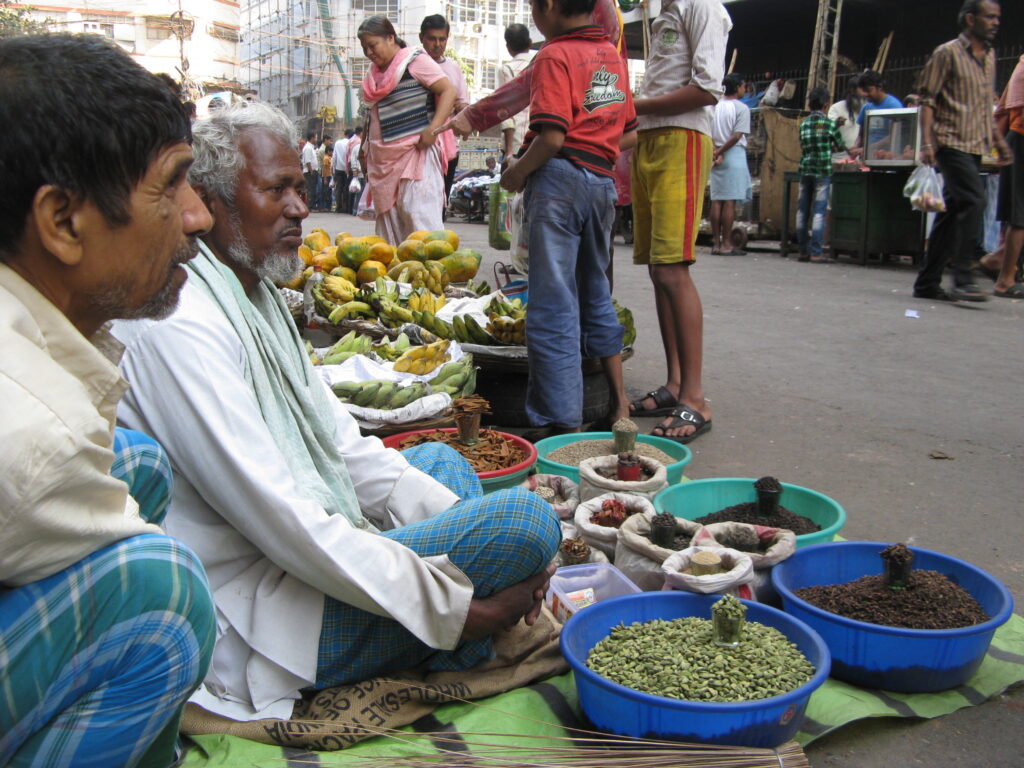
Tiretta Bazaar: Kolkata’s Old Chinatown at Breakfast
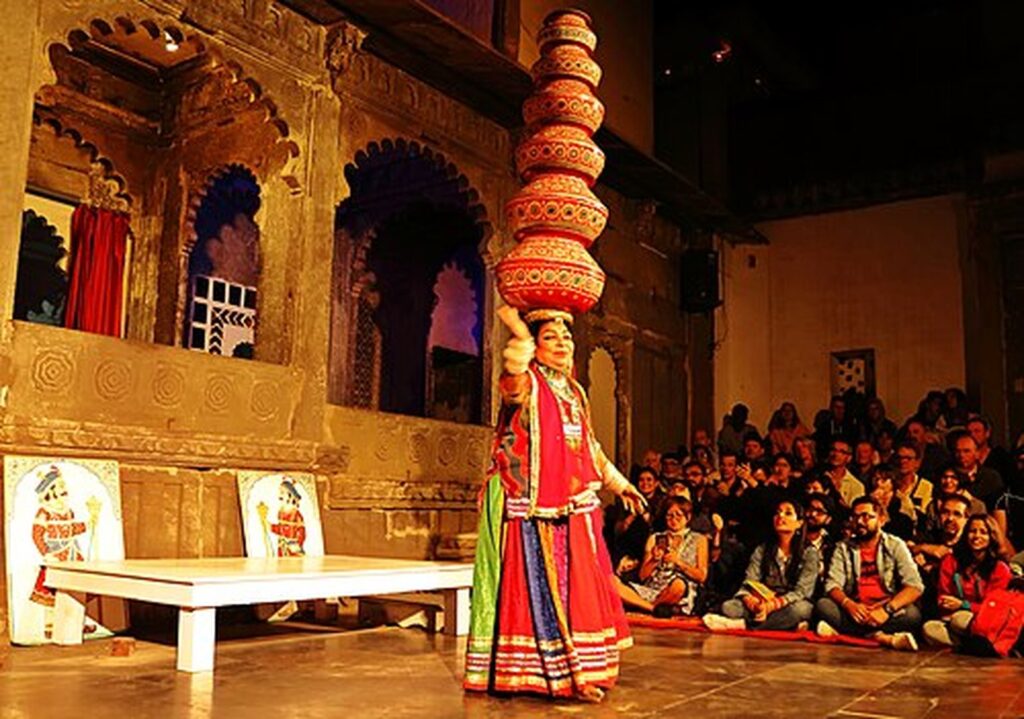
Witnessing the Living Heritage of Rajasthani Folk Dance

What It’s Like to Spend 10 Days in Silence
The Town You Sleep In
Why the base town shapes a monsoon waterfall trip more than any single fall, what to look for, and towns in Karnataka, Kerala and Goa worth considering.
One village ghat upriver
Train versus road that week
Markets before the 20th, not on it
Journeys Worth Discovering
Explore inspiring destinations, memorable journeys and travel stories from across India and beyond.
Explore destinations




