
Most people who come to Varanasi for Dev Deepawali plan their trip around a single evening. They arrive in the afternoon of the full moon, push into the crowd on the ghats or onto a boat, watch the lamps come alight along the river, and leave the next morning feeling as if they have seen something enormous but only from the edge. The festival is enormous. But the night that teaches you the most about it is often the one before, when the steps are being swept, the lamps are being counted out, and the city is still willing to let you walk.
This piece is a case for arriving early and giving the eve of Dev Deepawali a full evening of its own.
What Dev Deepawali is
Dev Deepawali, the “Diwali of the gods”, falls on Kartik Purnima, the full moon of the Hindu month of Kartik, roughly two weeks after the Diwali most of India celebrates. In Varanasi it is believed that the gods themselves descend to bathe in the Ganga on this night, and the city answers by lighting the river frontage with lamps. Clay diyas are set along the long sweep of ghats, from Assi in the south towards Raj Ghat in the north, and the far bank, which is usually dark sand, is often lit as well in recent years. Ganga aarti on the main ghats becomes larger and more elaborate than usual.
In 2025 Kartik Purnima falls on Wednesday 5 November. Exact puja times depend on the lunar calendar used, so check a local panchang or the Uttar Pradesh tourism notices close to the date.
Why the night before matters
On the evening of the festival itself, movement along the ghats is restricted in places and crowds are very dense. Police often control access to the busiest stretches, boats crowd the water in front of Dashashwamedh, and simply walking from one ghat to the next can take a long time. It is beautiful, and it is also tiring.
The night before is different. Many ghats hold their preparations in the open. Volunteers and local committees sweep the steps, paint designs, stack trays of clay lamps, and test the wiring on the light installations that some ghats now add. Rangoli patterns appear in chalk and powder, half finished. Boatmen are mending cushions and arguing about next day’s rates. You can see the festival being built, which is something the night itself hides.
There is also the plain matter of space. On the eve you can usually walk a good length of the riverfront at your own pace, stop where you like, and sit on a step without being moved along.
Where to walk
Start in the south, at Assi Ghat, in the late afternoon. Assi is a broad, open ghat with a mix of pilgrims, students from the nearby university area and visitors, and it holds its own evening aarti. From here walk north along the river. The ghats run almost continuously for several kilometres, and on foot the change from one to the next is part of the pleasure: Tulsi Ghat, associated with the poet Tulsidas; Harishchandra Ghat, one of the two cremation ghats, where you should walk quietly and keep your camera down; and then a long run of residential and temple ghats up to Kedar Ghat with its bright striped steps.
As the light fades, carry on towards Dashashwamedh, the main ghat for the large evening Ganga aarti. On the eve of Dev Deepawali the aarti is held as usual, and the crowd, while large, is usually manageable compared to the festival night. Beyond Dashashwamedh is Manikarnika, the principal cremation ghat, where fires burn day and night. Treat it with respect: no photographs of cremations, no lingering for spectacle.
If you have the energy, continue north past Panchganga Ghat towards the quieter upper ghats. They see fewer visitors and on the eve you may find small groups laying out lamps by hand in near darkness.
What to look for
- Lamps being counted and set out in rows on the steps
- Rangoli and painted designs on the ghat landings
- Boats being cleaned and decorated with marigolds
- Small family pujas at the water’s edge, especially at dawn and dusk
- Light installations being tested on the larger ghats
Talking to people
The eve is one of the few times visitors can talk easily with the people who make the festival. Committee members on smaller ghats are often happy to explain what they are doing and why, especially if you ask before you photograph. A simple question about how many lamps a ghat will light, or when they will start, often leads to a longer conversation. Do not offer money for explanations unless someone is clearly a guide working for a fee, and if someone offers to take you to a “special” vantage point for the next night, treat it with the same caution you would anywhere.
Boats on the eve
A short boat ride on the eve can be calmer and more pleasant than one on the festival night. Rates on Dev Deepawali itself rise sharply and boats are packed; the evening before, you may be able to agree a short trip along the ghats at a more ordinary price. Fix the duration and the route before you step aboard, and confirm whether the boat is hand-rowed or motorised. We do not quote prices here because they change year to year and boat to boat.
The morning after the eve
If you have walked the ghats on the eve, get up before sunrise the next morning, the morning of the full moon. The river at dawn is always one of the most moving sights in the city, and on Kartik Purnima many pilgrims come to take a ritual dip. It is busy, but in a quieter, more devotional way than the evening. Then rest in the middle of the day, because the festival evening is long.
Practical notes
Stay as close to the ghats as you can afford, or at least within walking distance, because vehicle access to the old city is restricted around the festival and the lanes cannot absorb traffic. Book your room well in advance; Dev Deepawali is one of the busiest weekends in the Varanasi calendar. Carry a small torch for the lanes, wear shoes that are easy to slip off at temples and comfortable for long walks on stone, and keep valuables close in the crowds. The steps can be slippery near the water, especially where oil from lamps has spilled.
The point of arriving early
Varanasi does not reveal itself in one evening at the best of times. During Dev Deepawali it reveals even less to people who arrive only for the main event. Give the eve its own evening, walk the long line of the ghats while there is still room to do so, and you will understand the night of the lamps far better when it comes. The city will still be crowded, but you will have seen the festival being made, step by step, by people who do this every year.
More from Issue 79
- Dev Deepawali index
- Editor’s letter: Varanasi & Dev Deepawali
- The ghats the night before, not only the night of
- A boat you should not book
- The old city in the afternoon
- What the lamps do to the lanes
- Three nights is the whole trip
- A priest’s morning, told by a guest
- Silk, not a shopping list
- Dates and the crowd calendar
- One village ghat upriver
- The photograph from the steps

Tikona Fort Trek, Maharashtra
A Monastery Morning
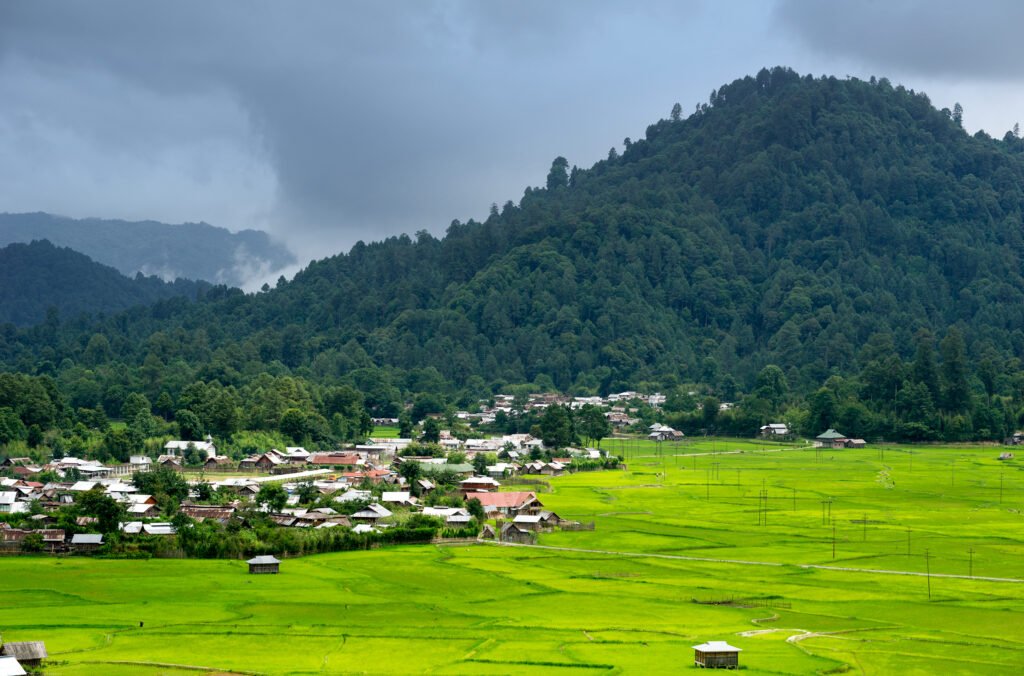
The Ziro Village in Arunachal Pradesh
The Town You Sleep In
Why the base town shapes a monsoon waterfall trip more than any single fall, what to look for, and towns in Karnataka, Kerala and Goa worth considering.
One village ghat upriver
Train versus road that week
Markets before the 20th, not on it
Journeys Worth Discovering
Explore inspiring destinations, memorable journeys and travel stories from across India and beyond.
Explore destinations




