
Dear reader,
Every year, around the second week of June, my phone fills with messages from friends in Mangaluru, Kozhikode and Pune. They are not complaints. They are photographs: the first big cloud over the hills, a courtyard filling with water, a mug of coffee on a wet windowsill. The monsoon has arrived on the west coast, and for people who live along the Western Ghats it is not an inconvenience to be endured. It is the season that makes everything else possible.
This issue is our attempt to travel into that season instead of away from it.
Why the Ghats, and why now
The Western Ghats run for roughly 1,600 kilometres along India’s western edge. They catch the south-west monsoon as it comes off the Arabian Sea, and that rain feeds rivers that much of peninsular India depends on, including the Godavari, Krishna and Kaveri. The hills are home to an astonishing range of life, much of it found nowhere else on earth, and in July nearly all of it seems to be awake at once.
That is the joy of a monsoon trip. It is also the responsibility. The same rain that greens the hills loosens slopes, swells streams and closes roads. In recent years the region has seen serious landslides, including the disaster in Wayanad in July 2024, and every traveller should carry that memory with them. Going to the Ghats in July means going with humility.
What this issue asks of you
First, walk. A monsoon trip seen only through a car windscreen is a trip spent mostly in traffic and fog. Our opening feature argues for short walks close to where you stay, and our trek piece suggests one gentle first trail in the Sahyadris.
Second, stay longer in fewer places. A coffee estate, a Malnad home, a veranda in Kerala: these are places that reveal themselves over days, not hours. Book two nights instead of one, and give the rain time to stop and start again.
Third, listen to local advice. If your host says the river crossing is not safe today, it is not safe today. If a forest checkpost has closed a trail, it is closed for a reason. Our permit and homestay notes cover the practical side, and our packing list is deliberately honest about leeches, footwear and landslides.
Finally, spend locally. Monsoon is the lean season for many homestays, guides, drivers and small eateries in the hills. Your visit matters more now than it would in December.
A thank you
Many of the ideas in this issue came from readers who live in the Ghats or who return to them every rain. Thank you for your letters, your corrections and your photographs. Please keep sending them, and tell us which valley, waterfall or kitchen we should visit next.
Stay dry, mostly. Travel slowly. And let the hills be green around you.
Khushi Anand, Editor
More from Issue 75
- The Western Ghats Come Alive: July 2025 Issue Index
- Why July is a walking month, not a driving fantasy
- One ghat road that is worth the rain
- Waterfalls you can reach without a convoy
- A plantation stay that is not a resort brochure
- Leeches, landslides and the honest packing list
- Food in a Malnad kitchen
- A first trek that stays under the cloud
- Permit and homestay notes
- The quieter valley beside the famous one
- A photograph from the veranda
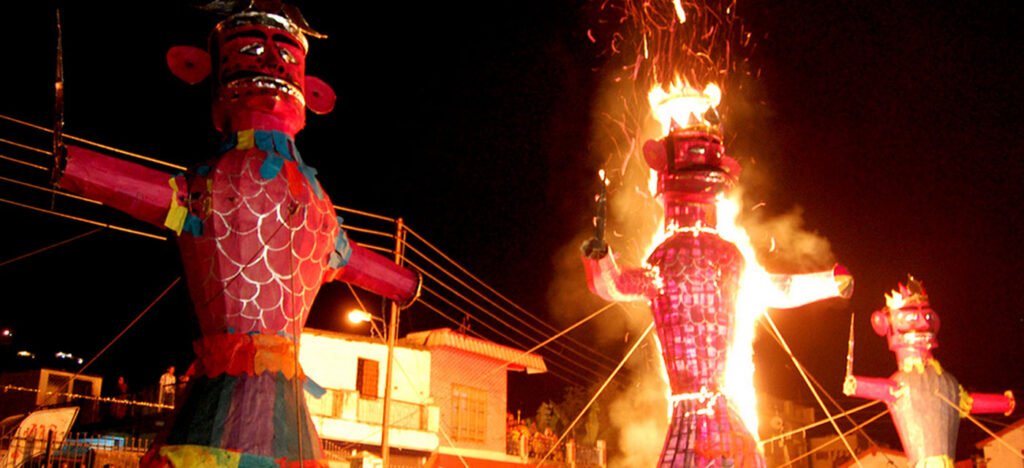
Dussehra
Shivneri Fort: Shivaji’s Birthplace Above Junnar

Jim Corbett National Park
The Town You Sleep In
Why the base town shapes a monsoon waterfall trip more than any single fall, what to look for, and towns in Karnataka, Kerala and Goa worth considering.
One village ghat upriver
Train versus road that week
Markets before the 20th, not on it
Journeys Worth Discovering
Explore inspiring destinations, memorable journeys and travel stories from across India and beyond.
Explore destinations




