
The monsoon turns the Western Ghats into a landscape of falling water. Streams that were dry in April pour off every cliff, and some of India’s best-known waterfalls reach full force in July. Unfortunately, the most famous falls also attract the biggest crowds, jeep queues, traffic jams and, increasingly, bans and closures for safety. This feature picks waterfalls that you can usually enjoy from a viewpoint or a short, sensible walk, without joining a convoy. As always in the monsoon, check current access rules before you go, because they change from year to year and sometimes week to week.
First, the safety rules
Monsoon waterfalls are beautiful and dangerous. Every year, people die at waterfalls in the Western Ghats, usually after slipping on wet rock, being swept away by sudden surges or entering pools that look calm. Please follow these simple rules:
- Never enter the water at the base of a monsoon waterfall, and never stand on rocks in the flow.
- Stay behind barriers and on marked paths. Wet laterite and moss are extremely slippery.
- Do not climb for a selfie. No photograph is worth the risk.
- Respect closures and the instructions of forest guards and local police.
- Avoid visiting after very heavy rain, when flows can rise suddenly.
- Go in daylight and leave well before dusk.
Jog Falls, Karnataka
Jog Falls, on the Sharavathi river in Shivamogga district, is one of India’s highest plunge waterfalls, falling around 250 metres in four streams often called Raja, Rani, Rocket and Roarer. Its flow depends on the Linganamakki dam upstream, so the falls are at their fullest in a good monsoon, typically from July to September, and especially if dam gates are opened.
The good news is that you do not need to trek to see Jog. Viewpoints near the main entrance give a full view of the falls across the gorge, and a stepped path has historically led down towards the base. In heavy rain, the view can be completely hidden by mist, which then suddenly clears for a few minutes to reveal the falls. Be patient. Check before you go whether development work or safety rules are restricting access to any viewpoints that season.
Athirappilly Falls, Kerala
Athirappilly, on the Chalakudy river in Thrissur district, is Kerala’s best-known waterfall, broad and powerful in the monsoon. A paved path leads from the entrance to viewpoints at the top of the falls, and a steeper path has led down towards the base, though access to the lower area may be restricted during heavy flows.
A few kilometres upstream, the smaller Vazhachal falls can be seen from the roadside. The road beyond leads into forest along the Sholayar range towards Valparai, a beautiful drive in drier weather, but in monsoon check whether the forest department has restricted traffic, as it sometimes does at night or after slips. Athirappilly is easily done as a day trip from Thrissur or Kochi.
Abbey Falls, Kodagu, Karnataka
Abbey Falls, near Madikeri in Kodagu (Coorg), is a short walk from its parking area through coffee and spice plantations to a viewing area across a small gorge. It is not huge, but in July it is loud and full, and the walk through dripping green is part of the pleasure. It can be crowded on weekends, so visit early on a weekday if you can. A hanging bridge and viewing area have been part of the site; check current access before visiting, as parts have been closed in some recent monsoons.
Amboli, Maharashtra
The hill station of Amboli, on the edge of the Ghats in Sindhudurg district, is famous for monsoon waterfalls close to the road. The main Amboli waterfall is visible from the roadside on the way up the ghat, and many smaller falls pour off the cliffs nearby. Amboli is also known among naturalists for its amphibians and reptiles. It is busy at weekends in July, so a weekday visit is much calmer. Swimming and standing in the falls has been restricted in recent years after accidents; stay on the paths.
Thoseghar, Maharashtra
Near Satara, the Thoseghar falls drop off the edge of the Sahyadri plateau in a series of high cascades. Viewing platforms and a short path give good views without approaching the water. Combine it with a visit, later in the season, to the Kaas plateau, where wildflowers bloom after the heaviest rains, usually from late August into September. Kaas visits typically require online booking during the flower season.
Hebbe and others: when you need a guide
Some of the most beautiful falls in the Ghats, such as Hebbe near Kemmangundi in Chikkamagaluru district, are reached by jeep or on forest trails, and access is often closed or tightly controlled during the monsoon. The same applies to several falls near Agumbe and in Uttara Kannada. These are best left to drier months or visited only with a licensed local guide when officially open. Do not try to find your own way.
About Dudhsagar
Dudhsagar, on the Goa-Karnataka border, is one of the most photographed waterfalls in India, especially with a train crossing in front of it. It is also a good example of a waterfall to avoid in peak monsoon. Jeep safaris and trekking access have usually been suspended during the heavy rains, and walking along the railway line is illegal and extremely dangerous. If you want to see it in the monsoon, the safest view is a fleeting glimpse from a train passing on the line. Plan a proper visit for after the monsoon, when jeep trips usually resume.
How to plan a waterfall trip
- Base yourself nearby. Stay a night or two close to the falls, so you can visit early in the morning and return if the first view is lost in mist.
- Go on a weekday. Weekends in July bring heavy crowds and traffic to the best-known falls.
- Carry rain gear and grip. A light poncho, dry bag and shoes with good soles are more useful than any camera lens.
- Check access and alerts. Look at district announcements, forest department notices and weather alerts. Ask your host.
- Pay entry fees and parking where charged. Fees fund maintenance and staff. We do not list amounts because they change; expect to pay at the gate.
Let the falls come to you
The real joy of the monsoon Ghats is that you do not need to chase waterfalls. They appear everywhere: off cuttings by the road, from the edge of a coffee estate, down the side of a hill you can see from your veranda. Some of the best falls of your trip will have no name at all. Watch them, listen to them and let them be.
More from Issue 75
- The Western Ghats Come Alive: July 2025 Issue Index
- Editor’s letter: The Western Ghats Come Alive
- Why July is a walking month, not a driving fantasy
- One ghat road that is worth the rain
- A plantation stay that is not a resort brochure
- Leeches, landslides and the honest packing list
- Food in a Malnad kitchen
- A first trek that stays under the cloud
- Permit and homestay notes
- The quieter valley beside the famous one
- A photograph from the veranda

Wildlife Safari in Jim Corbett
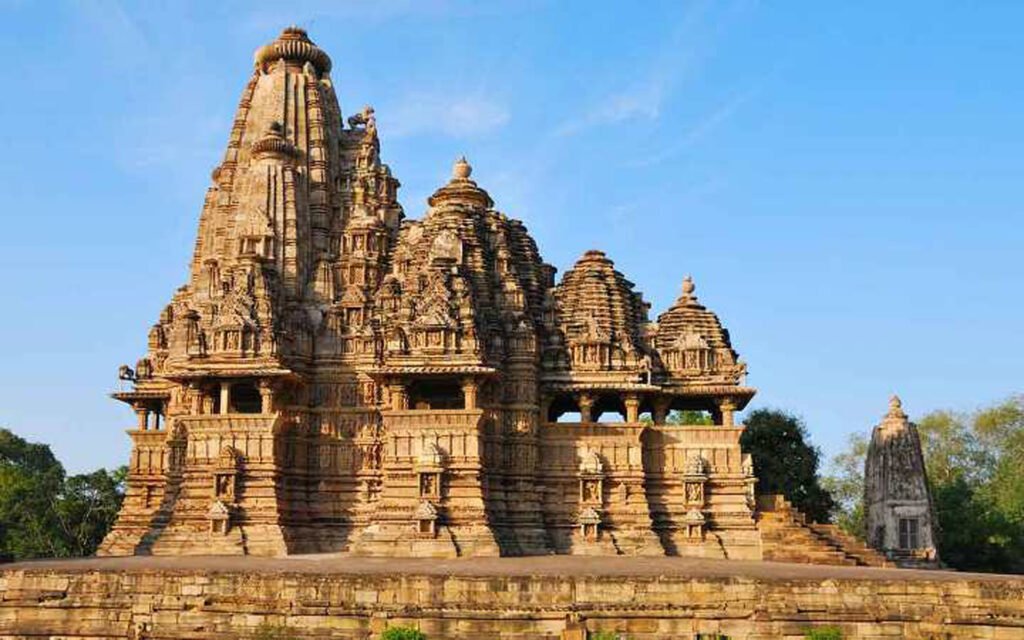
Khajuraho-The World Heritage Site
The Kaveri River
The Town You Sleep In
Why the base town shapes a monsoon waterfall trip more than any single fall, what to look for, and towns in Karnataka, Kerala and Goa worth considering.
One village ghat upriver
Train versus road that week
Markets before the 20th, not on it
Journeys Worth Discovering
Explore inspiring destinations, memorable journeys and travel stories from across India and beyond.
Explore destinations




