
Search for a coffee plantation stay in the Western Ghats and you will find a lot of infinity pools, spa menus and drone shots of manicured lawns. Some of those places are lovely. But they are not what this piece is about. This is about staying on a working coffee estate in the monsoon, with a family that grows the coffee, in a house that has weathered decades of rain. It is a quieter, wetter, much more interesting experience.
Coffee country in the rain
India’s coffee is grown mostly in the hills of Karnataka, Kerala and Tamil Nadu, with Karnataka producing the largest share. The main coffee districts include Kodagu (Coorg), Chikkamagaluru and Hassan in Karnataka, and Wayanad in Kerala. Coffee here is grown under shade, beneath tall native trees and silver oak, often with pepper vines climbing the trunks and cardamom, areca or oranges growing in between. It is a layered, green, lived-in landscape.
In July, this landscape is at its greenest and wettest. The coffee berries are small and green on the bushes; harvest is still months away, usually from around November to February. So this is not the season for picking or processing. It is the season of rain, of weeding and maintenance, of drains being cleared and shade trees being lopped. For a visitor, it is a time of mist, birdsong, dripping leaves and long evenings indoors.
What a real homestay looks like
The best estate homestays are simple. You stay in a room in the family’s house, or in a cottage close by. Meals are cooked in the family kitchen and served at a shared table. Your host might be a planter whose family has worked the land for generations, or a newer owner who moved to the hills for this life. Either way, they know the estate, the weather and the neighbours.
A good day might look like this. Coffee on the veranda as the rain eases. A walk round the estate with your host, learning to tell arabica from robusta, seeing how pepper is trained up the trees, hearing about the estate’s water sources and its problems with elephants or wild boar. A long lunch of local food. An afternoon of reading while the rain returns. Another short walk if it clears, and an evening by the fire, or at least under a lamp, with stories.
Kodagu and Chikkamagaluru
Kodagu, often called Coorg, is the best-known coffee district. The Kodava community has its own distinct culture, cuisine and dress, and many homestays are run by Kodava families. Food here is memorable: pandi curry (pork curry with a dark, sour kachampuli vinegar), kadambuttu (steamed rice balls) and akki otti (rice rotis). Madikeri is the main town, but most homestays are scattered in the estates around it.
Chikkamagaluru, where coffee is said to have been first planted in India, according to the legend of Baba Budan bringing seeds from Yemen, is hillier and in places wilder. The Baba Budangiri range rises above the town. Estates around Chikkamagaluru town, Mudigere and Sakleshpur (in Hassan district) offer homestays with a strongly Malnad feel.
How to choose a homestay that is not a brochure
- Look for a real estate. Ask how many acres are under coffee and what else they grow. A real planter will have lots to say.
- Ask who cooks. The best meals come from family kitchens, not hotel menus.
- Check that it is registered. Many states and districts register homestays. Ask whether the homestay is registered with the local tourism department. See our permit and homestay notes in this issue.
- Read recent reviews carefully. Look for mentions of the hosts, the food and the walks rather than the pool.
- Ask about access in the rain. Some estates are reached by steep, muddy tracks that are difficult in July. Your host will tell you whether your car can manage or whether they will pick you up.
- Think about the number of rooms. Two to four rooms usually means a genuine family homestay; twenty rooms usually means a resort.
What to do on the estate
- Walk with your host. This is the heart of the stay.
- Learn about coffee. Even out of season, many hosts are happy to show you their processing set-up, drying yards and storage, and explain how the beans go from berry to cup.
- Watch birds. Shade-grown coffee is good habitat for birds, including hornbills in some areas, Malabar whistling thrush and many smaller species. Bring binoculars.
- Cook. Ask whether you can watch or help in the kitchen.
- Do nothing. Sit on the veranda and watch the rain.
Things to be honest about
A monsoon estate stay is not for everyone. It will rain, sometimes for days. Power cuts happen. Mobile signals can be weak. Leeches live on estate paths. Clothes will not dry. Elephants and other wildlife do move through some estates, and your host’s instructions on where to walk and when to stay indoors must be followed.
If you can accept all that, you will be rewarded with something resort brochures cannot sell: a genuine sense of a place and of the people who live there.
Buying coffee to take home
Most estate hosts sell their own coffee, either as beans or ground. Buying directly from the people who grow it is a good way to support them. Ask what they recommend for your brewing method at home, and whether they sell filter coffee blends with chicory, which is how much South Indian filter coffee is traditionally made.
Stay longer
Two nights is the minimum for an estate stay in the monsoon. Three is better. The first day you arrive, wet and tired from the drive. The second, you start to settle. By the third, you know the paths, the dogs, the meal times and the rhythm of the rain. That is when the estate becomes a place, rather than a booking.
More from Issue 75
- The Western Ghats Come Alive: July 2025 Issue Index
- Editor’s letter: The Western Ghats Come Alive
- Why July is a walking month, not a driving fantasy
- One ghat road that is worth the rain
- Waterfalls you can reach without a convoy
- Leeches, landslides and the honest packing list
- Food in a Malnad kitchen
- A first trek that stays under the cloud
- Permit and homestay notes
- The quieter valley beside the famous one
- A photograph from the veranda

August 2019

Hill Stations to Beat the Heat in June: Discover India’s Coolest Escapes
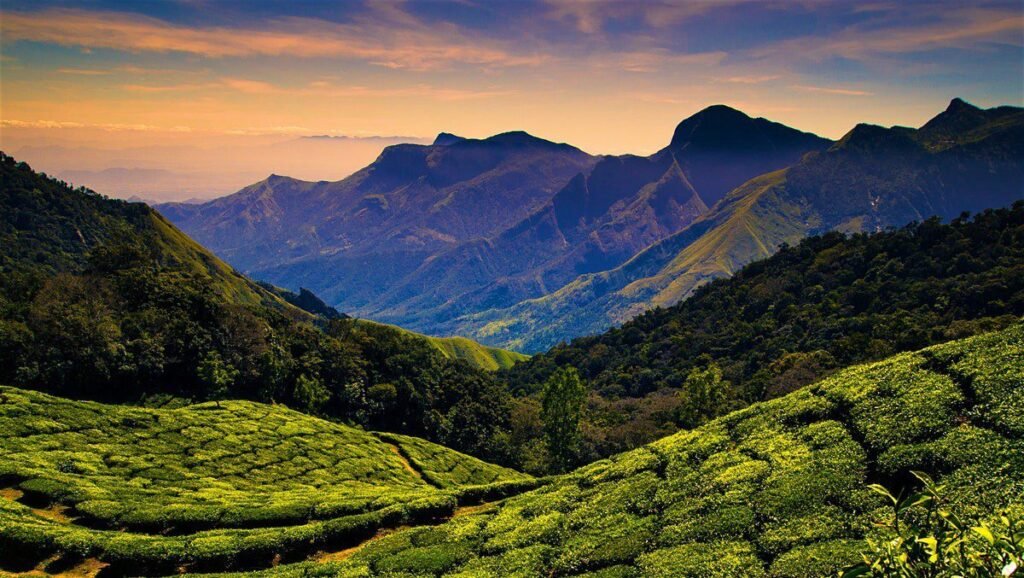
Nilgiris Hills – The Blue Mountains
The Town You Sleep In
Why the base town shapes a monsoon waterfall trip more than any single fall, what to look for, and towns in Karnataka, Kerala and Goa worth considering.
One village ghat upriver
Train versus road that week
Markets before the 20th, not on it
Journeys Worth Discovering
Explore inspiring destinations, memorable journeys and travel stories from across India and beyond.
Explore destinations




