
Dear reader,
There is a moment on the road north from Haridwar when the plains simply stop. The traffic is still there, the dhabas and the tempo stands and the hoardings for ashrams and adventure camps are still there, but the hills close in on both sides and the Ganga, which has been a broad and patient river for hundreds of kilometres downstream, suddenly looks young again. It is green, fast, cold and loud. That moment is Rishikesh, and it is why we have given our May 2024 issue entirely to this one small town on the edge of the Garhwal Himalaya.
Rishikesh is an odd place to write about because almost everyone already has a picture of it. For some readers it is the yoga capital of the world, a town of ashrams, early-morning asanas and long conversations about breath. For others it is the rafting town, the place you go with college friends to shout your way down the rapids and sleep in a riverside tent. For pilgrims it is the gateway to the Char Dham, the last proper town before the mountain roads to Badrinath and Kedarnath begin. For a generation that grew up on music history, it is where the Beatles came in 1968. All of these pictures are true. None of them is the whole town.
Why Rishikesh, and why now
May is not the gentlest month to visit. The plains below are baking, the Char Dham yatra is in full swing, and the roads north carry a steady stream of buses and cars. But that is exactly why we chose it. May is when Rishikesh is most itself: busy, devotional, adventurous, noisy and, in its early mornings, still capable of startling quiet. If you understand Rishikesh in May, you understand it in any month.
It is also the month when many of our readers are planning summer escapes from Delhi and the north Indian plains. Rishikesh is close enough for a long weekend and deep enough for a fortnight. We wanted this issue to help both kinds of traveller: the one with three days and the one who wants to stay until the town stops feeling like a destination and starts feeling like a place.
What you will find inside
Our features already on the site take you camping in the forested riverbanks above town, into the yoga and meditation ashrams that made Rishikesh famous, through its main sights and across its wide menu of adventure sport. We have also gone back to an older piece on river rafting and brought it up to date, with clearer distances for each stretch of the river and an honest note on how prices change from season to season.
The new stories in this issue are deliberately more personal. One follows a single road, the stretch from Haridwar up to Shivpuri, because we believe that one drive explains the town better than any list of attractions. Another offers a three-day plan that is not a checklist, built around mornings and evenings rather than ticking off temples. We have written a frank piece on what to skip on a first trip, a guide to the quieter places just beyond the famous bridges, and a practical piece on food, places to stay and how you really move around a town where the main bridges are for walking and the best viewpoints are up steep lanes.
The Rishikesh we hope you find
When I think of Rishikesh, I do not think first of the famous bridges or the rapids. I think of small things. The chai seller on the ghat steps who knows exactly when the aarti will begin. The sound of conch shells drifting across the water at dusk. A row of schoolchildren in uniform crossing the bridge in the morning while monkeys watch from the cables. A sadhu reading a newspaper. The smell of incense and wet stone after an early bath. The cool air that comes down the valley just before dark, even in the heat of May.
These are not things you can put on an itinerary, but they are what stays with you. We hope this issue gives you enough structure to plan a good trip and enough space to stumble on moments like these. Take the rafting trip, join the yoga class, watch the aarti, but also leave an afternoon with nothing planned. Sit by the river. Walk up a lane you have not walked before. Rishikesh rewards the traveller who is willing to be a little lost.
A word on how we travel
Rishikesh asks something of its visitors. It is a holy town, and much of the main town follows a long tradition of vegetarian food and no alcohol. Its ghats are places of prayer before they are places for photographs. Its river is beautiful and also genuinely dangerous; every year there are accidents involving people who wade in where they should not. We have tried, throughout this issue, to write with that in mind. Come for the adventure and the views, by all means, but come as a guest.
We have also been careful about facts. Prices for rafting, camps and rooms change every season, timings for the evening aarti shift with sunset, and bridges and roads in this hill town are sometimes closed for repairs. Where we are not certain, we say so, and we would always encourage you to check the latest details locally before you go.
Thank you
This magazine has now been coming to you every month since May 2019, and it is fitting that this issue lands five years on from our very first, which also looked towards the Char Dham and the hills of Uttarakhand. Thank you for reading, for writing to us and for travelling with us. If Rishikesh has a lesson for travellers, it is to slow down enough to notice the river. We hope these pages help you do exactly that.
Go early to the ghats, listen to the water, and leave a little room in your plans for the unexpected invitation to sit, eat or simply watch.
With warm regards,
Khushi Anand, Editor
More from Issue 61
- May 2024
- Camping in Rishikesh’s Spiritual Wilderness
- Exploring the Yoga & Meditation Oasis of Rishikesh
- Exploring the Sights of Rishikesh
- A Tapestry of Adventure in Rishikesh
- River Rafting In Rishikesh
- Haridwar to Shivpuri: The One Road That Explains Rishikesh
- Three Days in Rishikesh, Not a Checklist
- What to Skip on Your First Trip to Rishikesh
- Beyond the Jhulas: Quieter Days at Kunjapuri, Neelkanth and Vashishta Gufa
- Food, Stay and Getting Around in Rishikesh
What to skip on a first beach trip in India
December 2020
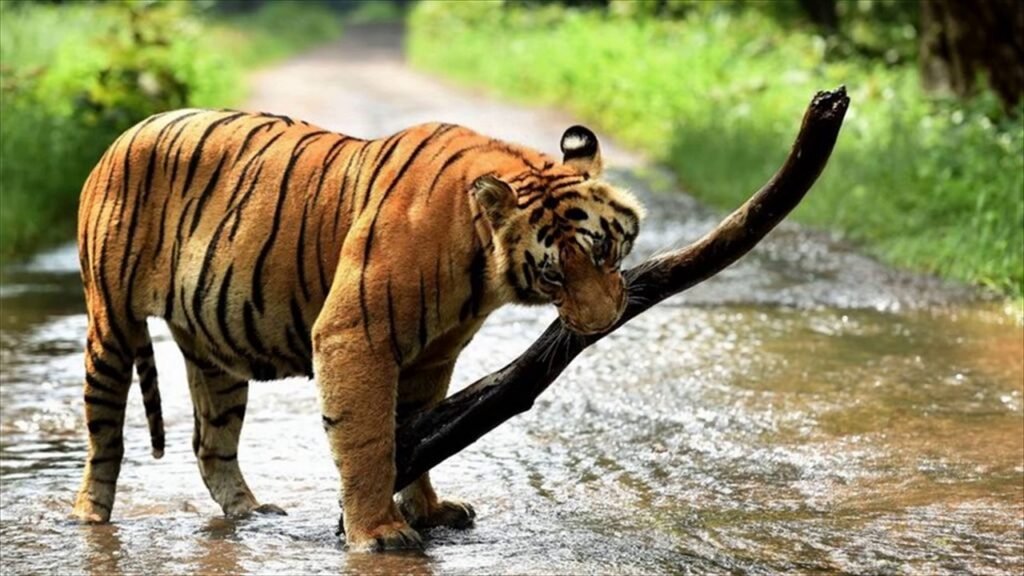
Wildlife of Kerala
The Town You Sleep In
Why the base town shapes a monsoon waterfall trip more than any single fall, what to look for, and towns in Karnataka, Kerala and Goa worth considering.
One village ghat upriver
Train versus road that week
Markets before the 20th, not on it
Journeys Worth Discovering
Explore inspiring destinations, memorable journeys and travel stories from across India and beyond.
Explore destinations




