
Most visitors to Rishikesh spend their whole trip within a short walk of the two famous bridges. That is understandable: the ashrams, ghats, cafés and rafting offices are all there. But step a little way out of the river valley and you find a quieter Rishikesh of hilltop temples, forest shrines, meditation caves and small villages where the Ganga is heard more than seen. These are not secret places, and some of them become crowded on festival days, but on an ordinary morning they offer a calm that is hard to find in the town centre.
Here are three quieter places beside the famous one, and how to approach them.
Kunjapuri Devi: sunrise above the valleys
Kunjapuri Devi temple sits on a hilltop above Narendranagar, on the road that climbs out of Rishikesh towards Tehri. It is one of the Shakti Peethas of the region, and the temple itself is a modest, brightly painted shrine reached by a flight of steps from the parking area.
What makes Kunjapuri special is the view. On clear mornings, especially after rain or in the cooler months, you can see a long line of Garhwal Himalayan peaks to the north, while the valleys of the Ganga and its tributaries fill with mist below. Many visitors come for sunrise, which means leaving Rishikesh in the dark. The drive is roughly an hour, depending on where you are staying and the condition of the road.
In May the haze can hide the high peaks, so set your expectations: the sunrise may be soft rather than dramatic. Even so, the cool air, the temple bells and the sense of being above the town make it worth the early start. Carry a warm layer, wear shoes that are easy to remove at the temple, and take some cash for tea and offerings at the small stalls near the top.
Neelkanth Mahadev: a forest shrine to Shiva
On the east side of the Ganga, in the forested hills above the Swarg Ashram area, stands Neelkanth Mahadev temple, dedicated to Shiva. According to tradition, this is where Shiva held the poison that emerged during the churning of the ocean in his throat, turning it blue, which is why he is called Neelkanth.
The temple is reached by road through the hills, a drive that winds through forest and small settlements and takes about an hour or so from the Ram Jhula side depending on traffic. Some pilgrims and walkers also use the older footpath from the Swarg Ashram area, which climbs through the forest; if you want to try it, start early, carry plenty of water, check the route locally and preferably go with a guide or someone who has done it before.
Neelkanth is not quiet during the month of Shravan, when it draws very large numbers of devotees, including Kanwar pilgrims. But on a weekday outside that season it has a much more peaceful feel. The temple complex is colourful and busy in a friendly way, and the forest around it is a welcome change from the town. Respect the queues, the dress norms and any restrictions on photography inside.
Vashishta Gufa: a cave by the river
About 20 to 25 km upstream of Rishikesh on the Badrinath road lies Vashishta Gufa, a cave associated by tradition with the sage Vashishta. It is part of a small ashram, and visitors are allowed into the dim, cool cave to sit quietly for a while.
What you find here depends on what you bring. There is no spectacle, just a dark space, a small shrine and the knowledge that people have come here to meditate for a very long time. Many visitors sit for ten or fifteen minutes in silence before walking down to the riverbank below, where a wide sandy beach meets the Ganga. In the late afternoon this can be one of the most peaceful spots on the whole river.
Please keep the cave silent, follow any instructions from the ashram and do not swim from the beach; the current here is strong. If you are combining the visit with a rafting trip or a stay at a riverside camp, it fits neatly into the same stretch of road.
Other quiet corners worth knowing
If you have more time, look out for smaller places that most itineraries skip. The riverside paths north of Tapovan become much quieter once you leave the café strip. Small villages on the hills above the east bank have walking trails, terraced fields and views down to the river. The Rajaji National Park, which borders Rishikesh, offers forest drives from designated gates in its open season; check current dates and permits with the forest department.
Even in town, there are quiet moments. The ghats at dawn, before the crowds, are almost empty. The lesser-known ashram gardens are often open to respectful visitors. The steps below Ram Jhula on a weekday afternoon can be surprisingly calm.
How to visit quietly
- Go early. Every one of these places is quieter before nine in the morning.
- Avoid festival peaks unless you are a pilgrim. Shravan, Shivratri and major holidays bring large crowds.
- Hire a local taxi for the day if you are not driving. Hill roads are narrow and parking is limited.
- Carry water, a light jacket and some cash; facilities are basic.
- Dress modestly and be ready to remove footwear at temples.
- Leave no litter. The hills around Rishikesh struggle with plastic waste.
Why go beyond the bridges
Rishikesh’s fame comes from its river and its ashrams, and they deserve their reputation. But the town makes more sense when you see it from above, from the hills where the temples are and where the forest still reaches the road. Kunjapuri shows you the mountains the Ganga comes from. Neelkanth shows you the faith that brings millions of pilgrims to these hills. Vashishta Gufa shows you the long tradition of silence that drew seekers here before the cafés and rafting camps arrived.
Spend even one morning in these quieter places and you will return to the bridges with a different sense of the town: not just a busy riverside resort, but the edge of a sacred mountain landscape that stretches far beyond it.
More from Issue 61
- May 2024
- Editor’s Letter: Rishikesh, Where the Ganga Leaves the Hills
- Camping in Rishikesh’s Spiritual Wilderness
- Exploring the Yoga & Meditation Oasis of Rishikesh
- Exploring the Sights of Rishikesh
- A Tapestry of Adventure in Rishikesh
- River Rafting In Rishikesh
- Haridwar to Shivpuri: The One Road That Explains Rishikesh
- Three Days in Rishikesh, Not a Checklist
- What to Skip on Your First Trip to Rishikesh
- Food, Stay and Getting Around in Rishikesh
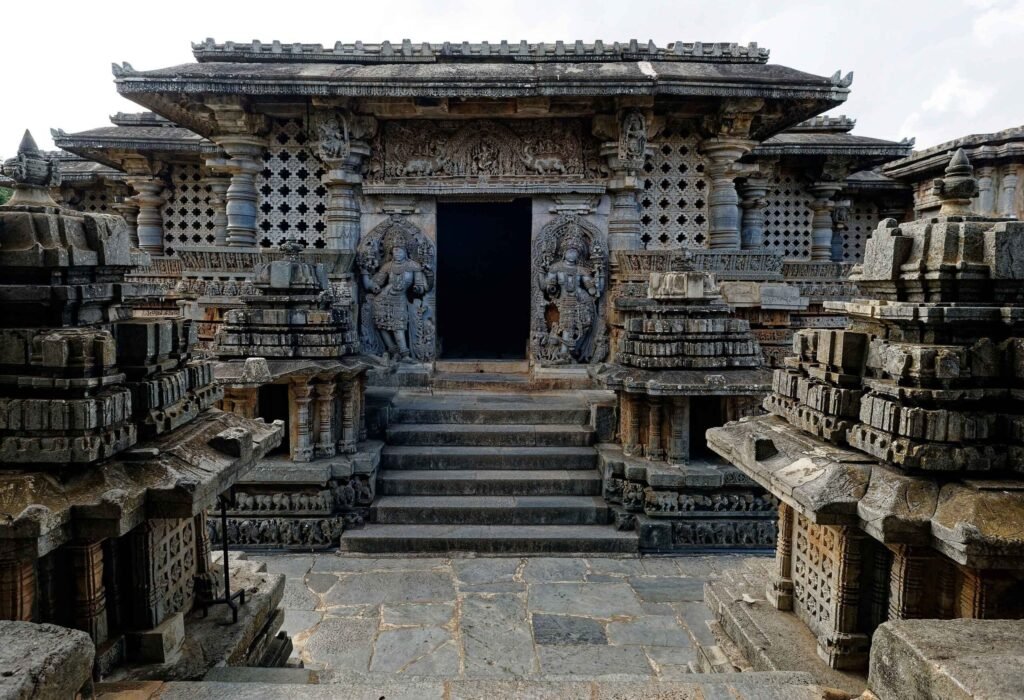
Kedareshwara Temple in Karnataka
Three Nights, Two Deserts: Jaisalmer and the Rann of Kutch

Chandigarh, The City Beautiful
The Town You Sleep In
Why the base town shapes a monsoon waterfall trip more than any single fall, what to look for, and towns in Karnataka, Kerala and Goa worth considering.
One village ghat upriver
Train versus road that week
Markets before the 20th, not on it
Journeys Worth Discovering
Explore inspiring destinations, memorable journeys and travel stories from across India and beyond.
Explore destinations




