
Most guides to Rishikesh tell you what to see. This one is about the practical side: what you will eat, where you might stay and how you actually get around a town where the most famous crossings are footbridges and the best views are up steep lanes. It is written for first-time visitors and for anyone who has struggled with Rishikesh traffic before. We do not list specific prices or business names, because they change too often; check current rates and reviews before you book.
Getting there
Rishikesh is roughly 240 km from Delhi by road, and the drive can take anywhere from five to seven hours or more depending on traffic and the route. Leaving Delhi very early in the morning makes a real difference.
By rail, many travellers take a train to Haridwar, which has more connections, and then continue the last stretch of roughly 25 km by taxi, auto or bus. Rishikesh also has its own railway station, with a newer terminal at Yog Nagari Rishikesh, but direct services are more limited; check current schedules.
The nearest airport is Jolly Grant in Dehradun, roughly 20 to 25 km from Rishikesh. Taxis are available from the airport, and the drive is usually under an hour outside rush hour.
Getting around town
Rishikesh is best understood as a few connected neighbourhoods strung along the river: the older town around Triveni Ghat, the ashram belt around Ram Jhula and Swarg Ashram, and the traveller hub around Laxman Jhula and Tapovan. The main road and the bridges link them.
Walking is the best way to move within each area. The ashram belt in particular is pedestrian-friendly, and the bridges are mostly for foot traffic and two-wheelers. Shared autos and vikrams run along the main roads and are cheap; agree on the fare before you get in if you are hiring one for yourself. Taxis are useful for trips to Kunjapuri, Neelkanth or the rafting points upstream.
If you are driving, park once and walk. Parking near the bridges is limited and lanes are narrow and crowded. Many hotels outside the core areas offer parking, which is one reason to consider staying a little out of the centre if you are arriving by car.
Ferry boats have historically crossed the river at some points, but services can change, so ask locally.
Where to stay
The right base depends on what kind of trip you want.
- Tapovan and Laxman Jhula area: popular with backpackers, yoga students and younger travellers. Many guesthouses, hostels, cafés and yoga schools. Busier and more social, with plenty of choice.
- Ram Jhula and Swarg Ashram: calmer and more devotional. Ashram stays are possible here for guests willing to follow ashram rules such as fixed meal times and quiet hours. Good for walking to aartis.
- Old town near Triveni Ghat: more local, closer to the bus and rail links, often better value but busier with traffic.
- Riverside camps upstream: around Shivpuri and beyond, a long line of camps and resorts offers tents and cottages on the beaches or hillside above the river. Good if rafting is the main point of your trip. Choose camps that are licensed and that treat waste responsibly.
- Hillside resorts: on the roads towards Neelkanth or Narendranagar, there are quieter properties with views, better suited to longer stays and travellers with cars.
Book in advance for weekends in May and for festival periods. Midweek stays are often easier to find and calmer.
Choosing between ashram, guesthouse and camp
Each type of stay changes the trip. An ashram stay gives you structure: early mornings, simple meals, often a yoga or meditation session included, and a quiet curfew in the evening. It suits travellers who want to rest and reflect, but it is not ideal if you plan late nights or long day trips. A guesthouse in Tapovan gives you freedom and company, with cafés and classes on the doorstep. A riverside camp gives you the sound of the water all night and an easy start for rafting, but you will need transport to reach town and the ghats. Many visitors split their stay, spending a night or two at a camp and the rest in town.
What to eat
Rishikesh has a long tradition of vegetarian food, and much of the main town does not serve meat or alcohol. Rather than seeing this as a limitation, think of it as a chance to eat the best of north Indian vegetarian cooking.
- Thalis: simple, filling meals of dal, sabzi, rice, roti and curd, served in dhabas and ashram canteens. A good thali is often the best meal of the day.
- Breakfasts: aloo paratha with curd and pickle, poori sabzi, or south Indian dosas and idlis, which are widely available.
- Street snacks: chaat, kachori, samosas and jalebi in the market lanes near Triveni Ghat and the bridges.
- Garhwali dishes: look out for local hill dishes such as kafuli, a leafy green curry; chainsoo, made from black gram; and mandua roti, made from finger millet. They are not on every menu but are worth asking about.
- Café food: the Tapovan and Laxman Jhula area has many cafés serving everything from smoothie bowls to wood-fired pizza and Israeli or Tibetan dishes, reflecting the town’s international visitors.
- Sweets and chai: pick up pedas or other sweets near the temples, and drink chai on the ghats at dawn.
Drink bottled or filtered water, and carry a refillable bottle; many cafés and guesthouses offer refills, which helps reduce plastic waste.
When to go
The main visitor seasons are roughly February to May and September to November. May is hot in the valley but still pleasant early and late in the day, and the river is lively for rafting. The monsoon months bring rain, landslide risks and the suspension of rafting for safety. Winters are cool and quieter, with crisp mornings and clear views from the hills.
A few practical habits
- Carry cash in small notes for autos, tea stalls and temple offerings, even though digital payments are widely accepted.
- Dress modestly around ghats and ashrams.
- Keep valuables secure in crowded areas such as the bridges and aarti steps.
- Watch out for monkeys, which may snatch food or bags.
- Respect local rules on alcohol, meat and plastic.
Get the practical side right, and Rishikesh becomes much easier to enjoy: fewer hours in traffic, better meals and more time for the river, the ghats and the hills.
More from Issue 61
- May 2024
- Editor’s Letter: Rishikesh, Where the Ganga Leaves the Hills
- Camping in Rishikesh’s Spiritual Wilderness
- Exploring the Yoga & Meditation Oasis of Rishikesh
- Exploring the Sights of Rishikesh
- A Tapestry of Adventure in Rishikesh
- River Rafting In Rishikesh
- Haridwar to Shivpuri: The One Road That Explains Rishikesh
- Three Days in Rishikesh, Not a Checklist
- What to Skip on Your First Trip to Rishikesh
- Beyond the Jhulas: Quieter Days at Kunjapuri, Neelkanth and Vashishta Gufa
Kisama, and the hour you should leave
Three Days on the Valley of Flowers Trail, Not a Checklist
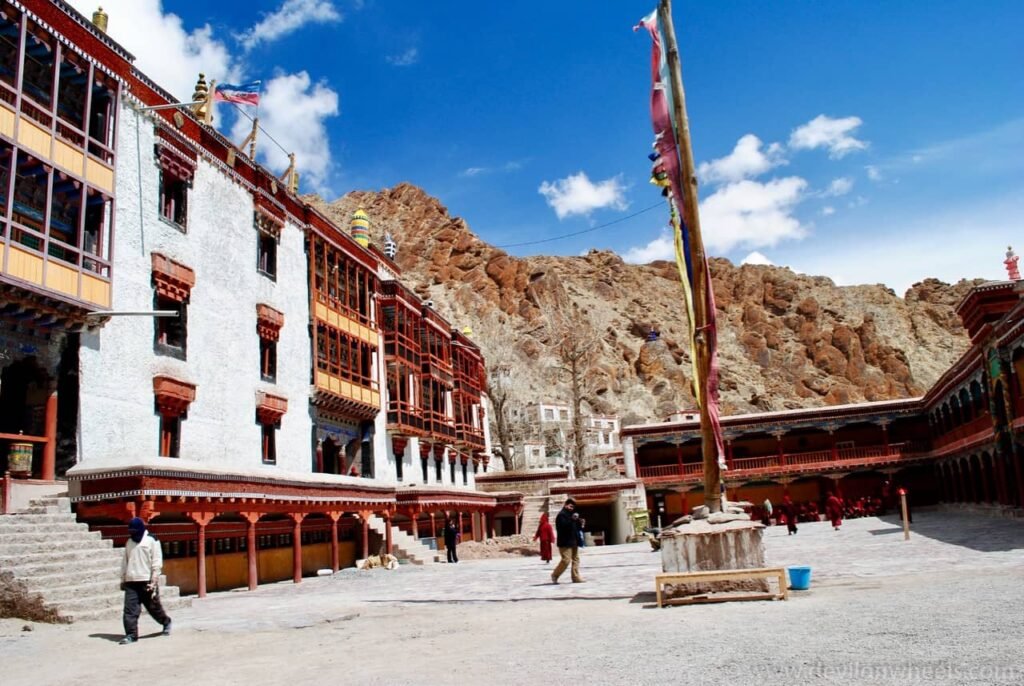
Top 5 Buddhist Temples In Leh Ladakh
The Town You Sleep In
Why the base town shapes a monsoon waterfall trip more than any single fall, what to look for, and towns in Karnataka, Kerala and Goa worth considering.
One village ghat upriver
Train versus road that week
Markets before the 20th, not on it
Journeys Worth Discovering
Explore inspiring destinations, memorable journeys and travel stories from across India and beyond.
Explore destinations




