
If you only had one drive to understand Rishikesh, it would be this one: the road that leaves the temple town of Haridwar, slides past the ashram belt of Rishikesh, crosses the river and climbs along the Ganga to Shivpuri, the rafting hub upstream. It is not a long drive, a little over an hour or two depending on traffic, but almost everything that makes Rishikesh what it is lines this road. Pilgrimage, forest, yoga, adventure, the Char Dham traffic and the river itself all appear in order, like chapters.
Start in Haridwar, where the river is a goddess
Begin at Har Ki Pauri in Haridwar, ideally in the early morning or for the evening Ganga aarti. Here the Ganga has just left the hills and is channelled through ghats where pilgrims bathe, light diyas and send small leaf boats of flowers downstream. Haridwar is busy and devotional in a very direct way. It sets the tone for the rest of the drive: before Rishikesh is anything else, it is part of a sacred river landscape that draws millions of pilgrims every year.
From Haridwar the road north runs roughly 25 km to Rishikesh. On the way you pass the edge of the Rajaji National Park, a large protected forest known for elephants, and on clear days the first ridges of the Shivalik hills rise on the right. Do not expect wilderness from the car window, but watch for the change in the trees and the light. The town is being pushed between forest and river, and that tension explains a lot of its shape.
Rishikesh town: Triveni Ghat and the old core
The first stop in Rishikesh proper should be Triveni Ghat, the main bathing ghat in the older part of town. It is less polished than the ashram ghats upstream and more local. In the evenings an aarti is held here with lamps, bells and chanting, and families gather on the steps. This is the Rishikesh of residents and pilgrims rather than backpackers, and it is worth seeing before the more international scenes further up.
Around the ghat are the market lanes where you will find puja supplies, brass, rudraksha beads, sweets and simple thalis. Traffic is heavy here, so park once and walk.
The ashram belt: Ram Jhula and Swarg Ashram
A few kilometres upstream the town changes character. Around Ram Jhula, one of the two famous suspension bridges, the east bank is lined with ashrams, including the large Parmarth Niketan and the long-established Swarg Ashram area. The bridges are pedestrian and two-wheeler crossings, and cows, sadhus, schoolchildren and tourists all share them.
Cross on foot. The view upstream from the middle of the bridge, with the river running hard and green below and the hills folding in ahead, is one of the defining images of Rishikesh. On the far bank, the evening aarti at Parmarth Niketan has become one of the best-known ceremonies in the region; arrive well before sunset if you want a place on the steps.
This stretch is also the yoga heartland. Many visitors come for structured courses, others simply join a drop-in morning class. Either way, mornings here are the quietest and most beautiful part of the day.
Laxman Jhula and Tapovan
Continue upstream to the Laxman Jhula area and Tapovan. This is where Rishikesh becomes more cosmopolitan, with cafés, bookshops, guesthouses and yoga schools crowding the slopes. The old Laxman Jhula bridge has been closed to general use in recent years over safety concerns, and a new bridge has been under construction nearby, so check the current status of the crossings when you go. Even so, the area around it remains the hub for travellers.
Also on the east bank, between Ram Jhula and Laxman Jhula, is the former Maharishi Mahesh Yogi ashram, often called the Beatles Ashram, which now lies within the boundary of the Rajaji reserve and is open to visitors for an entry fee. Its crumbling meditation pods and graffiti murals are an unexpected and atmospheric detour.
Out of town: the Badrinath road
Back on the west bank, the main road becomes the highway towards Devprayag, Srinagar and eventually Badrinath. In May this is the Char Dham route, and you will share it with buses of pilgrims heading into the mountains. Drive patiently, and expect roadworks; this highway has been widened in sections and landslide repairs are common.
The road clings to the hillside with the river below. Pull over at a safe spot to look down at the white sand beaches that appear on the inside bends of the Ganga. These are the camping and rafting beaches you will have seen in photographs.
Shivpuri: where the river becomes the adventure
Around 16 km upstream of Rishikesh lies Shivpuri, the busiest launch point for rafting trips and the centre of the riverside camp belt. Here the character of the town has changed again: the shops sell helmets and life jackets rather than rudraksha, and the conversation is about rapids with names like The Wall and Roller Coaster rather than mantras.
Rafting trips from Shivpuri run back down towards Rishikesh, so you can, in effect, travel the river section of this road again by water. Doing both, road one day and river the next, is the best way to understand how the Ganga carves this valley. Make sure you choose a licensed operator and follow the guides’ safety briefing; the river here is powerful even on calm days.
Why this one road explains Rishikesh
Drive the full stretch and you will have seen the town’s layers in order. Haridwar shows you the river as a goddess. Triveni Ghat shows you the river as a part of daily life. Ram Jhula and Laxman Jhula show you the river as a source of calm, a backdrop for yoga and meditation. The Badrinath road shows you the river as the way to the high Himalaya. Shivpuri shows you the river as an adventure.
None of these layers cancels the others. The same person might take a dip at Triveni Ghat, go to a yoga class at an ashram and raft from Shivpuri in a single weekend. That is the real character of Rishikesh: not one identity, but several living side by side along one river and one road.
Practical notes for the drive
- Start early. Traffic between Haridwar and Rishikesh, and in the town centre, can be slow from mid-morning, especially on weekends and in the yatra season.
- Park once in town and walk. The ashram belt and bridge areas are best explored on foot.
- Carry water and a light layer; the river breeze can be cool even in May.
- Respect dress codes and photography requests at ghats and ashrams.
- Check road advisories before heading beyond Shivpuri, especially after rain.
Do this one road with time to stop, and the rest of your trip to Rishikesh will make sense.
More from Issue 61
- May 2024
- Editor’s Letter: Rishikesh, Where the Ganga Leaves the Hills
- Camping in Rishikesh’s Spiritual Wilderness
- Exploring the Yoga & Meditation Oasis of Rishikesh
- Exploring the Sights of Rishikesh
- A Tapestry of Adventure in Rishikesh
- River Rafting In Rishikesh
- Three Days in Rishikesh, Not a Checklist
- What to Skip on Your First Trip to Rishikesh
- Beyond the Jhulas: Quieter Days at Kunjapuri, Neelkanth and Vashishta Gufa
- Food, Stay and Getting Around in Rishikesh

Tank Road Denim Market – Denim Of All Sizes, Sizes, And Brands
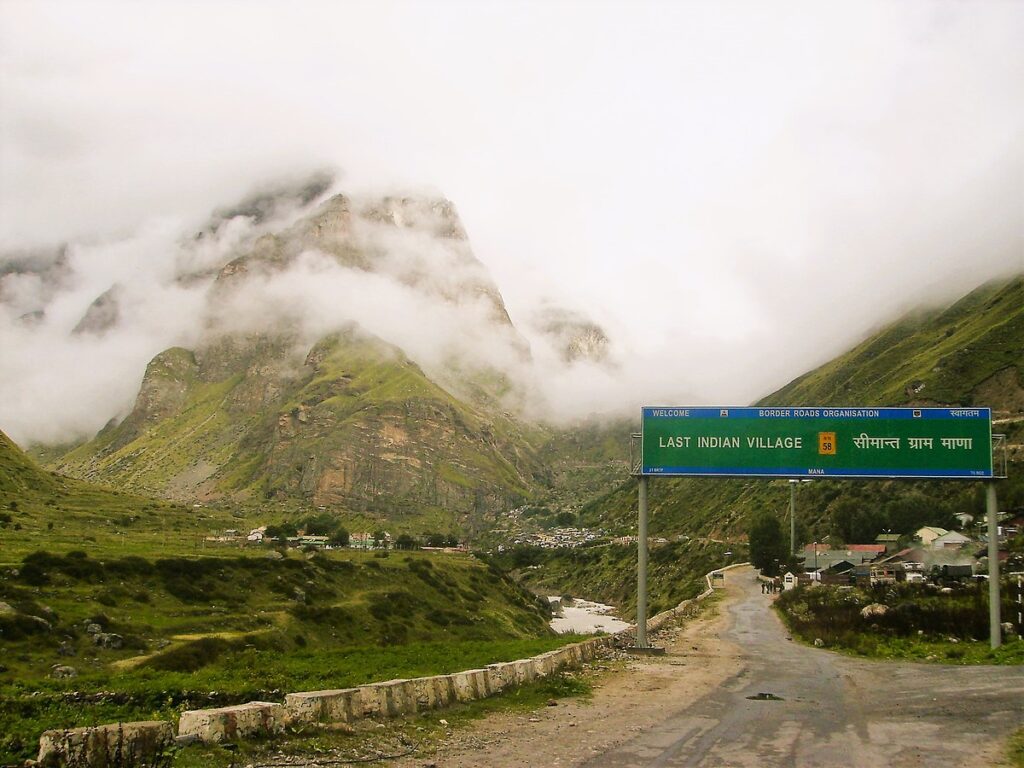
The Mana Village in Uttarakhand

Southeast Asian countries feel the heat as Chinese tourist arrivals decline
The Town You Sleep In
Why the base town shapes a monsoon waterfall trip more than any single fall, what to look for, and towns in Karnataka, Kerala and Goa worth considering.
One village ghat upriver
Train versus road that week
Markets before the 20th, not on it
Journeys Worth Discovering
Explore inspiring destinations, memorable journeys and travel stories from across India and beyond.
Explore destinations




