
Most travellers treat Gangtok as a base camp. They arrive tired from the drive up from Bagdogra or New Jalpaiguri, sleep a night, and leave at dawn for the north or for Tsomgo Lake. That is a pity, because Sikkim’s capital is one of the most pleasant hill cities in India, and three nights is just enough to understand why. This is how we would spend them.
Getting there and settling in
Gangtok sits on a ridge in East Sikkim, at roughly 1,600 metres above sea level. Most visitors arrive by road from Bagdogra airport or New Jalpaiguri railway station in West Bengal, a journey that usually takes several hours depending on traffic and road conditions along the Teesta valley. Pakyong airport, south of Gangtok, has also had flights at various times, though services have been irregular, so check current schedules before you plan around it.
The first evening is for arriving slowly. The road climbs through the Teesta gorge, past Rangpo, where Indian travellers enter the state and foreign nationals have their permits checked. Once you reach the city, resist the temptation to do anything ambitious. Check in, drink something warm and walk.
Night one: MG Marg and the ridge
Mahatma Gandhi Marg, usually called MG Marg, is Gangtok’s pedestrian high street, and it sets the tone for the city. Vehicles are kept out, the street is known for its cleanliness, and in the evening it fills with families, students and travellers strolling between cafés, bookshops and handicraft stores. Smoking and littering are discouraged here, and it shows.
Take your time. Sit on one of the benches down the middle of the street and watch the city go by. Look for momos and thukpa in a small local eatery, or a cup of tea at a café with a window seat. If you have energy left, walk up towards the ridge area above MG Marg, where you can get a sense of how the city clings to the hillside.
Day two: monasteries and viewpoints
Get up early. If the sky is clear, the views of the Kanchenjunga range from the higher points of the city in the early morning can be extraordinary. Ganesh Tok and Tashi View Point are two well-known viewpoints, though visibility is never guaranteed and clouds often roll in by mid-morning.
From there, spend the morning on Gangtok’s spiritual heritage. Enchey Monastery, on a hill above the city, is one of its best-known gompas, belonging to the Nyingma tradition and associated with colourful annual dances. The Do Drul Chorten, with its gleaming stupa surrounded by prayer wheels, is another important site, and walking clockwise around it with local devotees is a gentle way to start the day.
In the afternoon, visit the Namgyal Institute of Tibetology, a museum and research centre that holds a remarkable collection of Buddhist manuscripts, thangkas and ritual objects. It is a quiet place and helps put the monasteries you will see across Sikkim into context. Check opening days before you go.
Later, head to the Rumtek Monastery, about an hour or so from the city depending on traffic. Rumtek is one of the largest monasteries in Sikkim and is closely linked with the Karma Kagyu lineage. Security checks are in place, so carry ID. The setting, on a hillside facing Gangtok, is as memorable as the buildings.
Day three: gardens, ropeway and a slower city
Begin the final full day at a gentler pace. The Flower Exhibition Centre near the Ridge Park often displays orchids and seasonal flowers, which makes it worth a visit in spring. Sikkim is famous for its orchids, and the variety can be surprising.
The Gangtok ropeway, which runs across part of the city, offers a short aerial view of the rooftops and valleys. It is not long, but on a clear day it gives you a sense of how dramatic the city’s setting is. Operations can be suspended in bad weather.
If you prefer something greener, consider a visit to the Himalayan Zoological Park on the edge of the city, where you can see red pandas and other mountain wildlife in large enclosures set among forest. The red panda is Sikkim’s state animal, so this is a fitting stop.
Spend the late afternoon shopping thoughtfully. Look for Sikkimese handicrafts, carpets and woven goods at government emporiums and recognised stores, and pick up locally grown tea or cardamom. Sikkim has become known for its organic farming, so local produce is a good souvenir.
Where the day trips fit
Three nights also gives you the option of one longer excursion. Tsomgo (Changu) Lake, a high-altitude lake on the road towards Nathu La, is the most popular day trip from Gangtok. It requires a permit for Indian citizens and foreigners alike, usually arranged through a registered operator, and access depends on weather and road conditions. Nathu La itself, the mountain pass on the border with Tibet, is open only to Indian nationals and has its own permit rules and closed days. Both sit at high altitude, so go slowly and do not combine them with a very early arrival from the plains.
If you add one of these, keep the other days light. Altitude and long hours in a vehicle can be tiring.
Food worth seeking out
Gangtok is a fine place to explore Sikkimese and Himalayan cooking. Momos, steamed or fried, are everywhere. Thukpa, a noodle soup, is ideal on a cold evening. Look out too for phagshapa, a pork dish with radish and dried chillies, gundruk, a fermented leafy green, and sel roti, a ring-shaped sweet bread popular in Nepali households. Vegetarians will find plenty of options, from local greens to dal and rice.
Ask your host where they eat. In a city this size, the best meals are often in small family-run places off the main roads.
Practical notes
- Taxis are the main way around Gangtok. Shared taxis are common on fixed routes; private hire is easy to arrange.
- Roads are steep and narrow, and traffic can be slow in peak season.
- The city can be cool even in spring evenings, so pack layers.
- Plastic use is discouraged across Sikkim; carry a reusable bottle and bag.
Why three nights is right
Three nights gives you one evening to arrive, two full days to see the city properly, and the flexibility to add a high-altitude trip if the weather and permits allow. More importantly, it gives you time to notice what makes Gangtok different: the clean streets, the prayer flags on balconies, the calm of a monastery courtyard just minutes from a busy market. Leave it as a city you know, not one you passed through.
Opening hours, ropeway operations, flight schedules and permit rules change, so please check current information locally before you go.
More from Issue 59
- March 2024
- Editor’s Letter: Sikkim
- Sikkim in March: Rhododendron and Permits
- North Sikkim: What a First Trip Can Hold
- Ravangla and Namchi When the Flowers Start
- The Road to Yumthang
- Pemayangtse Before the Coaches
- A Homestay in Kewzing
- Protected-Area Permit Notes
- One Monastery Morning, Not Seven
- Lachung Market, Not a List

Why Monsoon is the Best Time to Trek Tadiandamol – Karnataka’s Hidden Gem
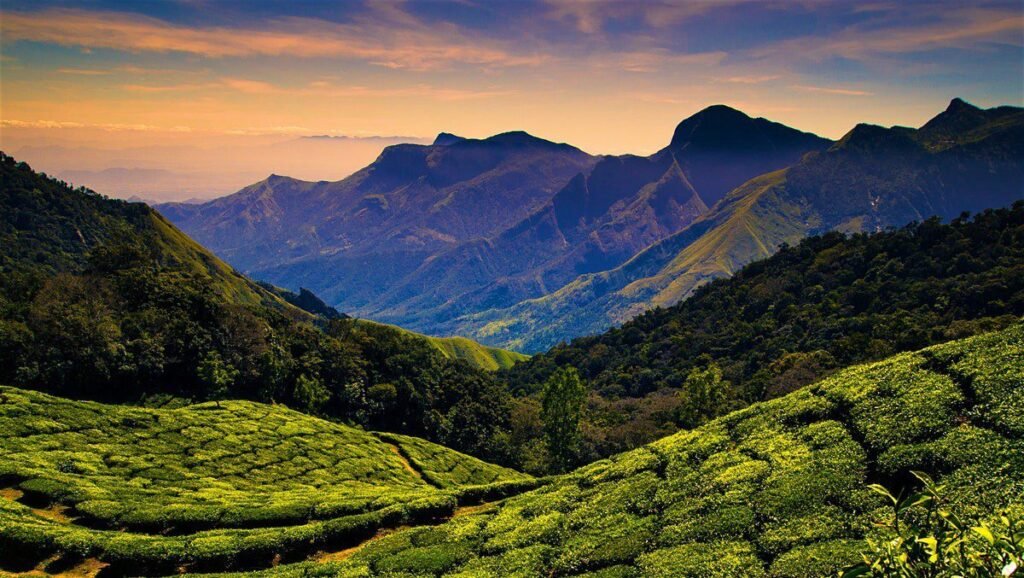
Nilgiris Hills – The Blue Mountains
Editor’s Letter: In Praise of the Desert’s Empty Hour
The Town You Sleep In
Why the base town shapes a monsoon waterfall trip more than any single fall, what to look for, and towns in Karnataka, Kerala and Goa worth considering.
One village ghat upriver
Train versus road that week
Markets before the 20th, not on it
Journeys Worth Discovering
Explore inspiring destinations, memorable journeys and travel stories from across India and beyond.
Explore destinations




