
North Sikkim is the part of the state that fills postcards and travel dreams: frozen lakes, snowy passes, valleys of wildflowers, and villages where the road seems to end against a wall of mountains. It is also the part that asks the most of a visitor. The drives are long, the altitude is serious, permits are mandatory, and the weather can change the plan at short notice. This guide is about what a first trip to North Sikkim can realistically hold, and how to make the most of it without trying to do everything.
Understanding the geography
North Sikkim is the largest and most sparsely populated district of the state. From Gangtok, the main road runs north along the Teesta river valley to Mangan, the district headquarters, and then to Chungthang, where the valley divides. One branch climbs north-east to Lachung and the Yumthang Valley; the other heads north to Lachen and, beyond it, Gurudongmar Lake.
That split shapes almost every itinerary. Most first-time travellers choose one branch, or try to do both in a tightly packed trip. Each branch has its own character: the Lachung side is known for its orchards, rhododendrons and the Yumthang meadows, while the Lachen side leads to some of the highest and starkest landscapes in the state.
Permits and operators
Indian citizens need a protected area permit for North Sikkim, and foreign nationals need special permissions on top of their Restricted Area Permit; some areas, including parts of the Lachen route, have traditionally been more restricted for foreigners. In practice, permits are usually arranged through registered tour operators in Gangtok, who also provide vehicles and drivers. Independent self-driving is generally not how North Sikkim is visited.
Give your operator copies of your ID and photographs well in advance, and allow for the possibility that permits may take time or that a route may be temporarily closed. Rules change, so check current guidelines with Sikkim Tourism or a registered operator before you plan.
A realistic first trip
For a first visit, a common and sensible plan is three days and two nights out of Gangtok. Some travellers stretch it to four days to include both branches more comfortably.
Day one: Gangtok to Lachung
The drive from Gangtok to Lachung takes much of a day, often six hours or more depending on road conditions and stops. Along the way, you will pass waterfalls such as the Seven Sisters Falls and the Bhim Nala Falls, as well as viewpoints over the Teesta. Lunch is usually at a roadside stop around Mangan or Chungthang.
Lachung, at roughly 2,700 metres, is a village of wooden houses, apple orchards and a monastery overlooking the valley. Arrive, rest and let your body adjust. Evenings are cold, and most homestays and lodges will serve hot food early.
Day two: Yumthang and back
The Yumthang Valley lies north of Lachung, at around 3,500 metres. Often called the “Valley of Flowers” of Sikkim, it is known for its spring display of rhododendrons and primulas, typically at their best from around April to June, though timing varies. In March, snow may still lie on the meadows, which brings its own kind of beauty.
Some travellers continue further to Zero Point (Yumesamdong), which sits higher still and is often snow-covered. Access depends on road conditions and is not always possible; there may be an additional charge payable locally. Take altitude seriously here: even a short stay can cause headaches and breathlessness.
Return to Lachung for the night, or, if your itinerary allows, continue toward the Lachen side.
Day three: return to Gangtok
The drive back to Gangtok is as long as the drive up, so this is mainly a travel day. Break the journey with stops at the waterfalls and with a meal in Mangan.
Adding the Lachen branch
If you have four days or more, you can include Lachen and Gurudongmar Lake. Lachen, at roughly 2,700 metres, is a quieter village than Lachung and serves as the base for the early-morning trip to Gurudongmar, one of the highest lakes in India at around 5,100 metres above sea level. The lake is sacred to Buddhists, Hindus and Sikhs, and its stark, high-desert setting is unforgettable.
The trip to Gurudongmar usually starts well before dawn, and the altitude is extreme. It is not suitable for everyone, especially young children, older travellers or anyone with heart or lung conditions. Do not attempt it without a night of acclimatisation in Lachen, and turn back if you feel unwell.
What you should not try to do
The biggest mistake first-time visitors make in North Sikkim is cramming. Trying to visit Yumthang, Zero Point and Gurudongmar in two days means long hours in a vehicle and rapid altitude gain, which increases the risk of altitude sickness and leaves little time to actually enjoy the places. It is better to see one branch well than both in a rush.
Similarly, avoid driving up from the plains to Gangtok and leaving for the north the next morning without any rest. A night or two in Gangtok helps.
Altitude: the essentials
- Ascend slowly and spend nights at intermediate altitudes.
- Drink plenty of water and avoid alcohol and smoking on the trip.
- Know the symptoms of acute mountain sickness: headache, nausea, dizziness, fatigue and breathlessness.
- If symptoms worsen, descend. Do not push on to a higher point.
- Talk to your doctor before the trip if you have any medical conditions.
Seasons and conditions
March is a transitional month in North Sikkim. Snow can linger at higher altitudes, roads to places like Zero Point or Gurudongmar may be closed or difficult, and nights are very cold. The rhododendron season builds through April and May, and many travellers consider late spring and autumn to be the best seasons for the north. The monsoon months bring heavy rain and a higher risk of landslides.
Whatever the month, check conditions shortly before you travel and keep a flexible plan.
Where to stay
Accommodation in Lachung and Lachen ranges from simple lodges to homestays. Most operators include stays and meals in their packages, typically simple, warm and home-cooked. Hot water and heating can be limited, so pack warm sleepwear and a good layer for evenings.
What a first trip can hold
A first trip to North Sikkim will not show you everything, and it does not need to. It can show you an apple orchard village waking up under snow peaks, a valley that promises flowers, a frozen lake in a landscape that seems to belong to another planet, and the warmth of families who live at the edge of the map. That is plenty. Leave something for the second trip.
Permit rules, road access, altitudes and conditions in North Sikkim change frequently. Please confirm current information with Sikkim Tourism or a registered operator before travelling.
More from Issue 59
- March 2024
- Editor’s Letter: Sikkim
- Sikkim in March: Rhododendron and Permits
- Gangtok in Three Nights
- Ravangla and Namchi When the Flowers Start
- The Road to Yumthang
- Pemayangtse Before the Coaches
- A Homestay in Kewzing
- Protected-Area Permit Notes
- One Monastery Morning, Not Seven
- Lachung Market, Not a List
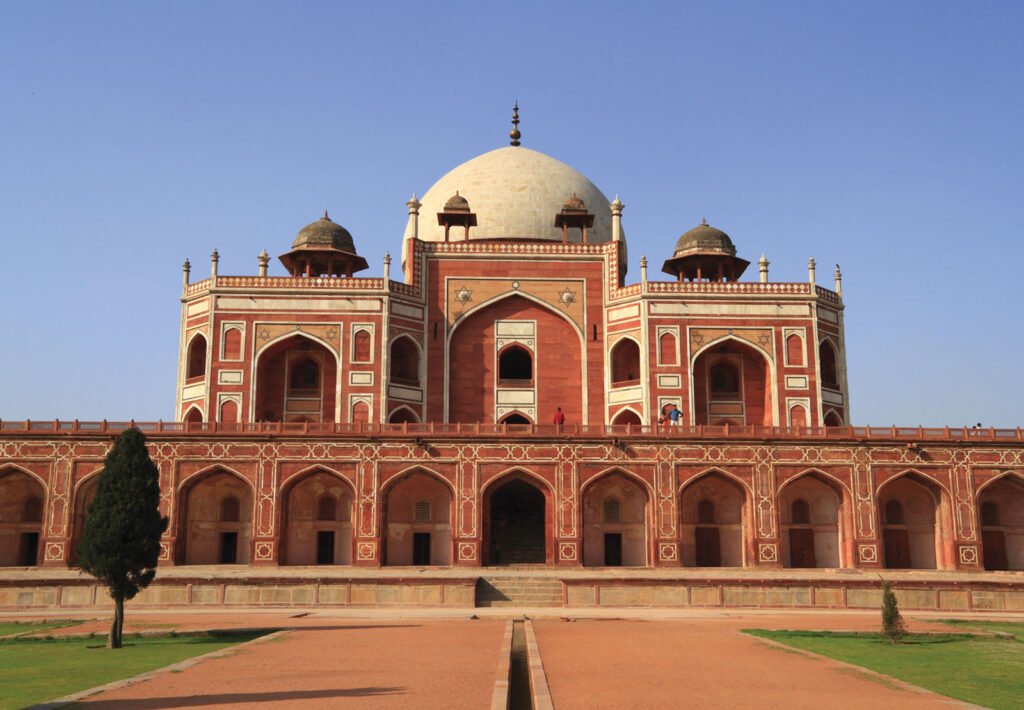
Humayun’s Tomb
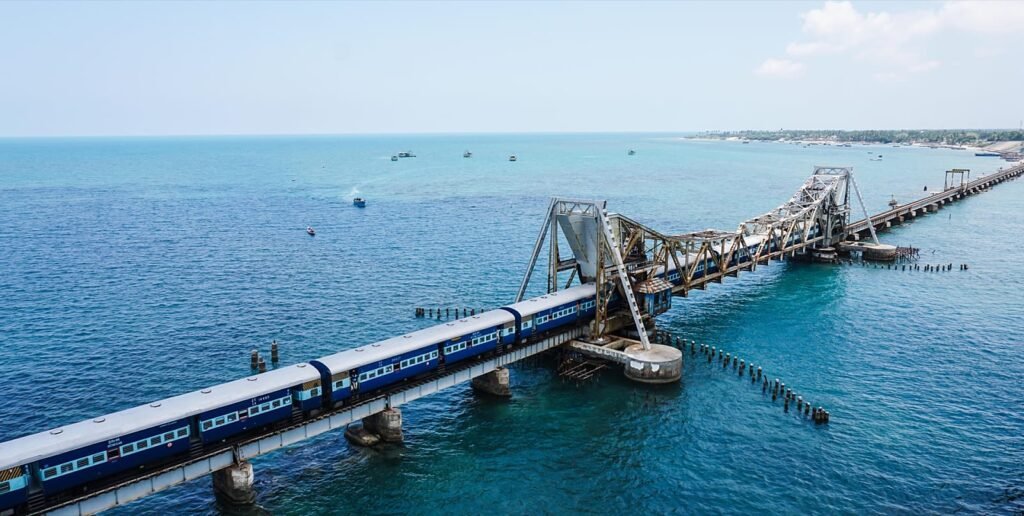
Rameswaram

This man just dared to complete ‘the most dangerous swim’ in Antarctic waters
The Town You Sleep In
Why the base town shapes a monsoon waterfall trip more than any single fall, what to look for, and towns in Karnataka, Kerala and Goa worth considering.
One village ghat upriver
Train versus road that week
Markets before the 20th, not on it
Journeys Worth Discovering
Explore inspiring destinations, memorable journeys and travel stories from across India and beyond.
Explore destinations




