
There is a moment at Pemayangtse, early in the morning, when the monastery belongs to the people who live there. Monks cross the courtyard with tea. A butter lamp flickers inside the prayer hall. The prayer flags on the ridge move in the wind, and if the clouds are kind, the Kanchenjunga range rises behind it all. A couple of hours later, cars and tour groups begin to arrive, and the mood changes. This is a case for getting there first.
A monastery with deep roots
Pemayangtse Monastery stands on a hilltop near Pelling in West Sikkim, at roughly 2,100 metres. It is one of the oldest and most important monasteries in the state, traditionally dated to the late seventeenth or early eighteenth century, and associated with Lama Lhatsun Chenpo, one of the figures linked to the founding of the Buddhist kingdom of Sikkim. It belongs to the Nyingma school of Tibetan Buddhism.
The name is often translated as “Perfect Sublime Lotus”. Historically, the monastery held a special status in the kingdom of Sikkim, and it remains one of the most significant religious sites in the state.
Why go early
Pelling is one of West Sikkim’s most popular tourist bases, with hotels lined up for the mountain views. On a typical day, sightseeing tours follow a similar route, and the best-known sites can become busy by mid-morning. Arriving early at Pemayangtse gives you a chance to experience it as a place of practice rather than a stop on a checklist.
Early mornings also tend to offer the clearest views of the mountains, especially outside the monsoon. The light is softer, the air is cool, and the courtyard is quiet.
What to see
The main prayer hall
The monastery’s main building houses a prayer hall with richly decorated walls, statues and murals. Inside, you may see images of Guru Padmasambhava and other important figures of the Nyingma tradition. Photography inside the shrines is often not allowed, so ask before raising your camera.
Zangdok Palri
On an upper floor, Pemayangtse is famous for a remarkable carved wooden structure known as Zangdok Palri, a depiction of the celestial abode of Guru Padmasambhava. It is traditionally said to have been made by a single lama over several years. The level of detail is extraordinary, with tiny figures, palaces and landscapes. Access to this part of the monastery may depend on the timing of your visit and permission from the monks.
The setting
Outside, the views across the valley towards the mountains are as much part of the experience as the buildings. On a clear morning, the snowy peaks seem close enough to touch.
Visiting respectfully
Pemayangtse is a living monastery, and a few simple courtesies make a difference:
- Dress modestly, covering shoulders and knees.
- Remove shoes where requested.
- Walk clockwise around the monastery and prayer wheels.
- Do not touch statues or ritual objects.
- Keep your voice low inside the prayer halls.
- Ask before photographing monks or interiors.
There may be an entry fee and set visiting hours. These can change, so check locally before you go.
The festival
Pemayangtse is known for its annual cham dances, held around the time of Losar, the Tibetan New Year, typically in February or early March, depending on the lunar calendar. Monks in elaborate masks and costumes perform sacred dances in the courtyard. If your trip coincides, it is a memorable experience, though it is also when the monastery is busiest. Check dates in advance, as they vary each year.
Combining Pemayangtse with nearby sites
Pemayangtse sits within easy reach of several other important places in West Sikkim, which makes it a natural part of a slower day.
Rabdentse Ruins
Just a short distance away are the ruins of Rabdentse, the former capital of the kingdom of Sikkim. A walking trail leads through forest to the ruins, where stone walls and chortens stand on a ridge with views over the valley. It is a quiet, atmospheric place, ideal for a morning stroll after the monastery.
Sangachoeling Monastery
Above Pelling, Sangachoeling Monastery is another old monastery, reached by a steep walk. It is often described as one of the oldest in Sikkim. The climb is worth it for the views and the peace.
Khecheopalri Lake
A drive away from Pelling, Khecheopalri Lake is considered sacred by Buddhists and Hindus. The lake is surrounded by forest, and local belief holds that birds keep its surface clear of leaves. It is a place for quiet reflection.
Pelling Skywalk
In recent years, a glass skywalk and a large statue have been built at Sangachoeling near Pelling, which has become a popular attraction. It can be busy, so if you prefer quieter places, visit it later or skip it.
A suggested morning
- Leave your hotel before sunrise and arrive at Pemayangtse as the monastery opens.
- Spend an hour in the courtyard and prayer hall.
- Walk to the Rabdentse Ruins and explore the ridge.
- Return to Pelling for breakfast and a rest.
This leaves the afternoon free for Khecheopalri Lake or a quiet walk.
Where to stay
Pelling has a wide range of hotels and guesthouses, many with mountain views. Staying close to Pemayangtse makes the early start easier. Some travellers also choose homestays in nearby villages, which offer a more personal experience.
Getting there
Pelling is connected by road to Gangtok, the south of Sikkim and to Siliguri in West Bengal. Drive times vary with road conditions, and it is wise to allow plenty of time. West Sikkim does not require special permits for Indian citizens, while foreign nationals need their Restricted Area Permit for Sikkim.
The value of being first
At Pemayangtse, getting up early is not just about avoiding crowds. It is about seeing a monastery as it is meant to be seen: as a place of practice, prayer and daily life. The prayers, the light on the mountains and the stillness of the morning are the real treasures. By the time the coaches arrive, you will already have them.
Visiting hours, entry fees, festival dates and access to parts of the monastery may change. Please check current information locally before your visit.
More from Issue 59
- March 2024
- Editor’s Letter: Sikkim
- Sikkim in March: Rhododendron and Permits
- Gangtok in Three Nights
- North Sikkim: What a First Trip Can Hold
- Ravangla and Namchi When the Flowers Start
- The Road to Yumthang
- A Homestay in Kewzing
- Protected-Area Permit Notes
- One Monastery Morning, Not Seven
- Lachung Market, Not a List
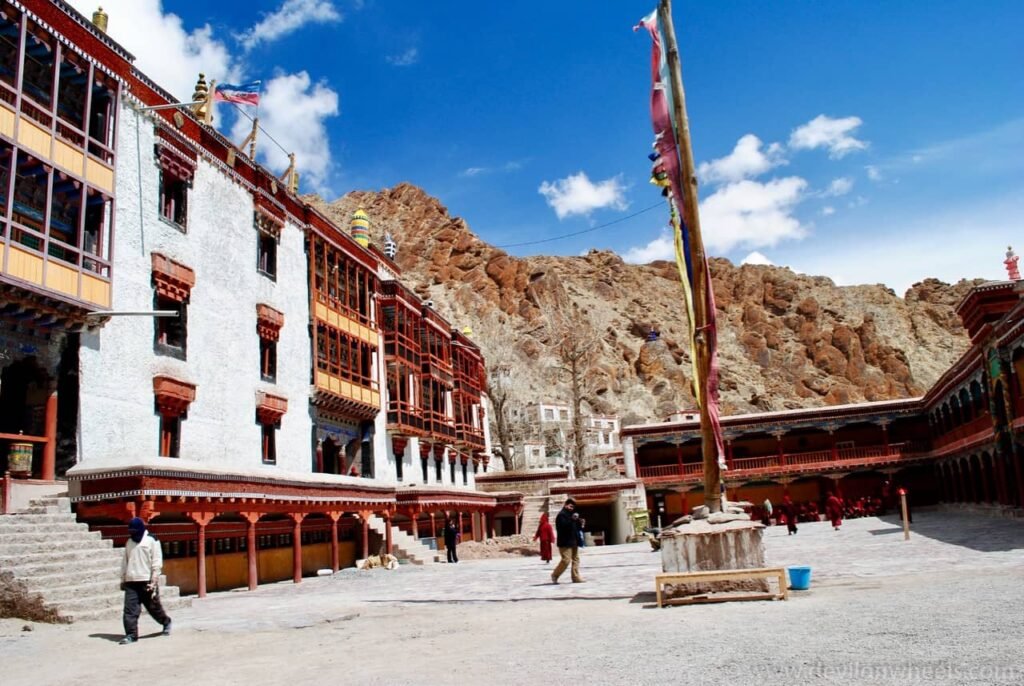
Top 5 Buddhist Temples In Leh Ladakh
Leeches, landslides and the honest packing list
The Town You Sleep In
Why the base town shapes a monsoon waterfall trip more than any single fall, what to look for, and towns in Karnataka, Kerala and Goa worth considering.
One village ghat upriver
Train versus road that week
Markets before the 20th, not on it
Journeys Worth Discovering
Explore inspiring destinations, memorable journeys and travel stories from across India and beyond.
Explore destinations




