
Sikkim has more than two hundred monasteries, by many counts, and it is tempting to try to see as many as you can. Tour itineraries often string together three or four in a day: Rumtek in the morning, Enchey at noon, a couple more on the way to Pelling, and Pemayangtse at sunset. By the end, the prayer halls blur into one another, and the visitor remembers mainly the drive. This piece makes a different case: spend one whole morning at one monastery, and let it teach you what the others mean.
Why one is better than seven
Monasteries are not museums. They are places of daily practice, study and community. Their meaning lies less in the architecture than in what happens there: the chanting, the rituals, the conversations between teachers and students, the quiet routines of cleaning, cooking and prayer. You cannot see that in a twenty-minute stop.
When you give a monastery a whole morning, you begin to notice details. The way the light moves across the murals. The order in which butter lamps are lit. The sound of a young monk learning a text by heart. The gestures of visitors who come to pray. These details make the experience memorable, and they help you understand the next monastery you visit.
Choosing your monastery
Any monastery can work, but some lend themselves well to a slow morning.
Rumtek, near Gangtok
Rumtek Monastery, about an hour or so from Gangtok, is one of the largest and best-known monasteries in Sikkim, closely associated with the Karma Kagyu lineage. Its scale, its courtyard and its setting on a hillside make it a rich place to spend time. Security checks are in place, so carry ID.
Enchey, in Gangtok
Enchey Monastery, on a hill above Gangtok, is smaller and more intimate. It belongs to the Nyingma tradition and is known for its annual cham dances. A morning here can be very peaceful.
Pemayangtse, near Pelling
Pemayangtse, in West Sikkim, is one of the oldest and most important monasteries in the state, with remarkable art and views of the mountains. Arriving early, before the tour groups, is particularly rewarding.
Ralang, near Ravangla
Ralang Monastery in South Sikkim is a significant Kagyu monastery, known for its festivals and its peaceful surroundings.
How to spend the morning
Arrive early
Get there as early as the monastery allows visitors. Many monasteries begin their day with prayers, and while visitors may not always be allowed to enter during rituals, you may hear the chanting from the courtyard. Early mornings are also quieter and often clearer.
Walk the kora
Begin by walking around the monastery clockwise, following the kora, the circumambulation path. Turn the prayer wheels as you go, clockwise. This simple act is a form of practice for Buddhists, and doing it slowly is a good way to settle into the place.
Sit in the courtyard
Find a quiet corner of the courtyard and sit. Watch monks crossing with tea, devotees prostrating, dogs dozing in the sun. Notice the prayer flags, the colours of the buildings, the sounds.
Visit the prayer hall
When it is open to visitors, enter the main prayer hall. Remove your shoes, dress modestly, and walk clockwise around the interior. Look at the murals and statues, but avoid touching anything. Photography inside is often not allowed; ask first.
Take time to look closely. The murals often depict deities, protectors, teachers and scenes from the life of the Buddha, each with symbolic meaning. If a monk is available and willing, ask a respectful question or two. Many are happy to explain.
Have tea
Some monasteries have a small canteen or tea stall nearby. Sitting with a cup of tea is a natural way to extend your visit. You may find yourself in conversation with a pilgrim or a monk.
Walk the surroundings
Many monasteries are surrounded by forest paths, villages or viewpoints. A short walk after your visit can help you see the monastery in its landscape. At Pemayangtse, for example, the Rabdentse Ruins are a short walk away.
What to look for
- Prayer wheels: cylindrical wheels inscribed with mantras.
- Thangkas: painted scrolls depicting deities and teachings.
- Butter lamps: lit as offerings.
- Chortens (stupas): structures that symbolise the Buddha’s mind.
- Mandalas: geometric representations of the universe.
- Protector deities: often fierce-looking figures at the entrance.
You do not need to understand everything. Curiosity is enough.
Etiquette
- Dress modestly, covering shoulders and knees.
- Remove shoes before entering shrines.
- Walk clockwise around monasteries, chortens and prayer wheels.
- Do not point your feet at statues or monks.
- Keep your voice low and phones silent.
- Ask before photographing people or interiors.
- Do not touch religious objects or sit on cushions reserved for monks.
- Make an offering if you wish, but there is no obligation.
Festivals
If your visit coincides with a festival, such as Losar (Tibetan New Year) or a monastery’s annual cham dances, you will see the monastery at its most vibrant. Dates follow the lunar calendar and change each year, so check in advance. Festivals are wonderful, but they are also busy, so a quiet morning on another day can offer a different perspective.
Planning the rest of the day
A slow monastery morning does not mean you cannot see anything else. In the afternoon, you might visit a museum, a market or a viewpoint, or simply rest. The point is not to rush.
If you are in Gangtok, the Namgyal Institute of Tibetology is a natural companion to a monastery visit, with its collection of manuscripts and art. In Pelling, Khecheopalri Lake offers a different kind of sacred space.
The deeper reward
At the end of a slow morning, you will not have ticked off many sights. But you will have experienced something that cannot be rushed: a sense of the rhythms and meaning of a monastery. The next time you visit another, you will see it with different eyes. One morning, done well, is worth more than seven done in a hurry.
Visiting hours, access to prayer halls, photography rules and festival dates vary. Please check locally and follow the guidance of monks and staff.
More from Issue 59
- March 2024
- Editor’s Letter: Sikkim
- Sikkim in March: Rhododendron and Permits
- Gangtok in Three Nights
- North Sikkim: What a First Trip Can Hold
- Ravangla and Namchi When the Flowers Start
- The Road to Yumthang
- Pemayangtse Before the Coaches
- A Homestay in Kewzing
- Protected-Area Permit Notes
- Lachung Market, Not a List
Editor’s Letter: In Praise of the Desert’s Empty Hour
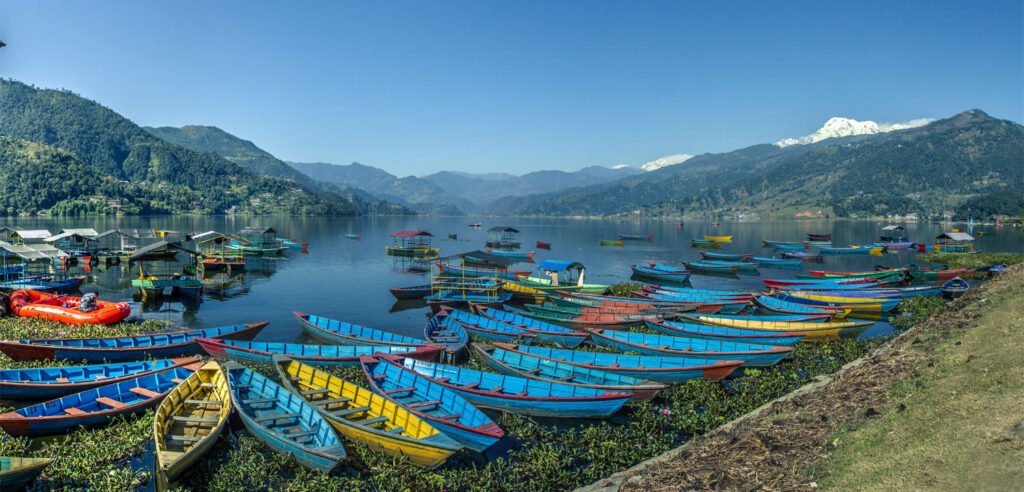
Explore A Gateway City “Pokhara”

And Here’s The Bhutanese Culture
The Town You Sleep In
Why the base town shapes a monsoon waterfall trip more than any single fall, what to look for, and towns in Karnataka, Kerala and Goa worth considering.
One village ghat upriver
Train versus road that week
Markets before the 20th, not on it
Journeys Worth Discovering
Explore inspiring destinations, memorable journeys and travel stories from across India and beyond.
Explore destinations




