
There is no famous monument in the Lachung market. There is no viewpoint, no museum, no entry ticket. There are a few shops along the road, a tea stall with a steaming kettle, a woman selling woollen socks, a man stacking apples or dried yak cheese, children with school bags, and a dog asleep in the sun. Most visitors pass through on their way to Yumthang, buying a pair of gloves and moving on. This piece is about stopping instead, and why a village market can tell you more about a place than any list of sights.
Lachung, briefly
Lachung is a village in North Sikkim, at roughly 2,700 metres, in a narrow valley along the Lachung river. Surrounded by steep mountains and waterfalls, it is a place of wooden houses, apple orchards, prayer flags and a monastery on the hillside. The village is known for its traditional local governance system, the Dzumsa, which plays a role in community decisions.
For most travellers, Lachung is the overnight stop on the way to the Yumthang Valley and Zero Point. Visitors arrive in the evening after a long drive from Gangtok, sleep, and leave early the next morning. As a result, many see little of the village itself.
The market, in the morning
If you can, give yourself a few hours in Lachung. Wake early, wrap up warmly, and walk to the market area along the main road. In the morning, the village wakes slowly: shutters go up, smoke rises from chimneys, and the first vehicles start their engines.
At the tea stalls, you might find locals warming their hands around cups of tea. Ask for a cup and sit down. Notice what people are eating: perhaps noodles, momos or bread. Listen to the languages being spoken. Watch how the shopkeepers greet one another.
What you might find
The shops in Lachung sell a mix of everyday goods and things for travellers. You may find:
- Woollen gloves, socks, caps and jackets, essential in the cold.
- Snacks and bottled drinks for the road to Yumthang.
- Local produce in season, which may include apples, vegetables or dried goods.
- Prayer flags and small religious items.
- Simple handicrafts.
What you find depends on the season and the day. There is no set list, and that is part of the charm.
The orchards
Lachung is known for its apple orchards. In March, the trees may still be bare or just beginning to bud, depending on the year. Later in spring, blossoms appear, and the fruit ripens in autumn. Walk along the paths between houses and orchards, and you may see families tending their trees. If you are invited into a garden or offered fruit, accept graciously.
The monastery
Above the village stands the Lachung Monastery, a Nyingma gompa. It is a peaceful place, with views over the valley. Visit in the morning, when the light is soft. Follow monastery etiquette: dress modestly, walk clockwise and ask before taking photographs.
Talking to people
The best part of spending time in Lachung is the chance to talk to people. Shopkeepers, homestay hosts, drivers and monks often have stories to share, about the weather, the road, the orchards, the changes in the village. Ask about their lives, but be respectful and do not press for photographs. A smile and a few words of Nepali or local greetings go a long way.
You might learn about the challenges of living in a remote valley: the long winters, the difficult roads, the dependence on tourism. You might also hear about festivals, family traditions and the pride people take in their village.
Why not a list
Travel writing often comes in lists: the top ten things to do, the five best viewpoints. Lists are useful, but they can make travel feel like a task to complete. In a place like Lachung, a list would be short and unsatisfying. The village’s value lies not in its sights but in its life.
By lingering in the market, you shift from being a tourist passing through to a guest, however briefly. You see the village as a place where people live, work and raise families, not just as a stop on the way to somewhere else.
Practical notes
- Lachung requires a protected area permit, usually arranged through a registered operator as part of a North Sikkim trip.
- Most visitors stay one night; consider two if you want time to explore.
- Mornings are cold, especially in early spring. Dress in layers.
- Shops may open later in the morning and close early in the evening.
- Carry cash, as card payments may not be accepted everywhere.
- Respect local customs and avoid plastic.
When to visit
Lachung is accessible for much of the year, though heavy snow in winter and landslides in the monsoon can affect roads. Spring brings blossoms and the start of the rhododendron season higher up; autumn brings clear skies and apple harvests. In March, expect cold weather and possibly snow.
Fitting it into your itinerary
If your operator’s schedule allows, ask for a later start on the morning you leave Lachung for Yumthang, or plan to spend an extra night in the village. Some travellers return to Lachung after Yumthang and have time in the afternoon. Even an hour can make a difference.
Supporting the village
Lachung depends heavily on tourism, and how you spend your money matters. Buying gloves or snacks at a village shop, eating at a local tea stall, or staying in a homestay all help. Bargaining heavily over small amounts is not necessary.
The lasting memory
Years after your trip, you may not remember the exact view at Zero Point or the name of every waterfall on the road. But you may remember the old woman at the tea stall who refilled your cup without asking, the children who waved from a doorway, the smell of woodsmoke in the cold morning air. That is Lachung, and that is why it is worth slowing down.
Shop opening hours, products and local arrangements vary. Please check locally and respect village customs.
More from Issue 59
- March 2024
- Editor’s Letter: Sikkim
- Sikkim in March: Rhododendron and Permits
- Gangtok in Three Nights
- North Sikkim: What a First Trip Can Hold
- Ravangla and Namchi When the Flowers Start
- The Road to Yumthang
- Pemayangtse Before the Coaches
- A Homestay in Kewzing
- Protected-Area Permit Notes
- One Monastery Morning, Not Seven
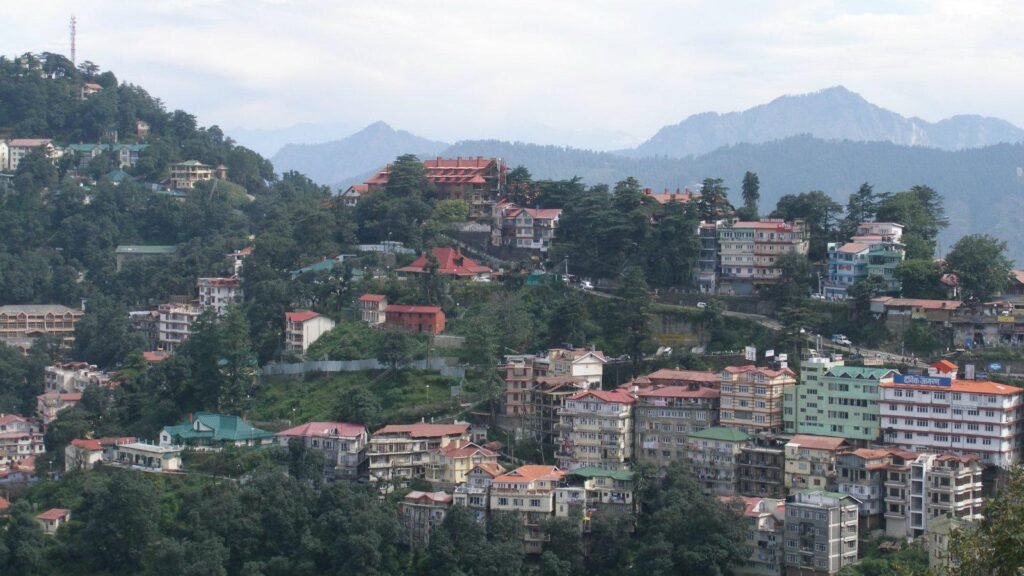
Scenic Shimla, the biggest hill station of the world

Easy Trails to Start Your Hiking Journey

Dune Bashing in Jaisalmer
The Town You Sleep In
Why the base town shapes a monsoon waterfall trip more than any single fall, what to look for, and towns in Karnataka, Kerala and Goa worth considering.
One village ghat upriver
Train versus road that week
Markets before the 20th, not on it
Journeys Worth Discovering
Explore inspiring destinations, memorable journeys and travel stories from across India and beyond.
Explore destinations




