
Planning a trip to Himachal Pradesh means thinking about three practical things: what you will eat, where you will stay and how you will get around. These shape your experience as much as the places you visit. This guide covers the basics, with honest advice for first-time visitors. It avoids specific prices and business names, which change; instead, it offers principles that hold good.
Food in Himachal Pradesh
Himachali food is simpler and less well known than the cuisines of neighbouring Punjab, but it has its own character, shaped by the mountains, the seasons and local traditions.
Dham
Dham is the traditional festive meal of Himachal, served at weddings, festivals and temple occasions. It is usually cooked by specialist cooks called botis and served on leaf plates, with rice, lentils, rajma (kidney beans), and dishes made with yoghurt, such as madra (chickpeas in a yoghurt gravy, especially associated with Chamba). Each region has its own variations. You are most likely to taste dham at a festival or a local event, though some restaurants serve versions of it.
Siddu
Siddu is a steamed bread made from wheat flour, often stuffed with a paste of walnuts, poppy seeds or other fillings. It is popular in the Kullu and Shimla regions and is usually served with ghee and chutney. It is a filling, warming dish, ideal on a cold day.
Trout
The rivers of the Kullu valley and other areas are home to trout, and fish farms supply restaurants across the region. Trout is often served grilled or fried, simply seasoned.
Tibetan food
In McLeod Ganj, Manali and the high valleys of Kinnaur, Lahaul and Spiti, Tibetan food is common. Try thukpa (noodle soup), momos (dumplings), tingmo (steamed bread) and butter tea.
Other dishes
- Chha gosht: lamb in a yoghurt gravy.
- Babru: a fried bread stuffed with black gram, popular in Shimla.
- Aktori: a buckwheat pancake from Spiti and Lahaul.
- Local apples, apricots and other fruit in season.
Eating tips
- Ask your host or local people where they eat.
- Try homestay meals; they are often the best food on offer.
- In remote areas, food may be simple; carry snacks.
- Drink bottled or filtered water, or carry a purifier.
Where to stay
Himachal offers every kind of accommodation, from luxury resorts to simple guesthouses. The right choice depends on your budget and the kind of trip you want.
Homestays
Homestays are one of the best ways to experience Himachal. Staying with a local family offers home-cooked food, local knowledge and a sense of place. The state has a homestay scheme, and many registered homestays operate in villages across the state.
Guesthouses and small hotels
Small guesthouses and family-run hotels are common in towns and villages. They are usually simple and friendly.
Heritage hotels
A number of old buildings, including castles and colonial bungalows, have been converted into heritage hotels. Some are run by the state tourism corporation.
State tourism properties
The Himachal Pradesh Tourism Development Corporation runs hotels in many destinations, including some in remote areas where other options are limited.
Camping
In some areas, especially in the high valleys, camps operate in season. Standards vary.
Tips for choosing
- Stay in villages rather than on busy highways.
- Book ahead in peak season and on long weekends.
- In remote areas, expect simple facilities and intermittent electricity and internet.
- Read recent reviews and check the location carefully.
How you actually move
Getting around Himachal is part of the adventure. Roads are winding, journeys take longer than expected, and weather can disrupt plans.
By air
Himachal has three small airports: Bhuntar (for Kullu and Manali), Gaggal (for Dharamshala and Kangra) and Jubbarhatti (for Shimla). Flights are limited and can be affected by weather. Many travellers fly to Chandigarh and continue by road.
By rail
The Kalka-Shimla railway is a narrow-gauge line and a UNESCO World Heritage Site, offering a scenic, slow journey to Shimla. The Pathankot-Joginder Nagar line serves the Kangra valley. Neither is fast, but both are memorable. Main broad-gauge railheads include Kalka, Chandigarh and Pathankot.
By bus
Himachal Road Transport Corporation (HRTC) runs an extensive bus network, reaching even remote villages. Buses are cheap and reliable, though slow. Overnight Volvo and other buses connect Delhi and Chandigarh with Shimla, Manali and Dharamshala. Private buses also operate.
By taxi
Hiring a car with a driver is the most flexible option. Local taxi unions operate in many towns, and rates are often fixed by route. Shared taxis are also common on some routes.
Self-driving
Self-driving is possible, but mountain roads require experience. Roads are narrow, with steep drops, heavy traffic and unpredictable weather. In remote areas, fuel stations and mechanics are few.
On foot
Walking is the best way to explore villages, forests and temples. Many treks start from villages across the state.
Travel tips
- Allow plenty of time; journeys take longer than maps suggest.
- Avoid driving at night on mountain roads.
- Check road conditions, especially in winter and the monsoon.
- Carry motion sickness remedies if you are prone to it.
- Permits are needed for some areas, such as Rohtang Pass and some border areas for foreign visitors.
Seasons and what they mean for travel
Spring and autumn are usually the easiest seasons for moving around, with clearer roads and pleasant weather. Summer brings crowds to the hill stations. The monsoon, roughly July to September, brings landslides and road closures. Winter closes high passes and can make some roads icy, though it is a beautiful time for snow in the middle hills.
Money and connectivity
- Carry some cash; ATMs may be limited in remote areas.
- Digital payments are widely accepted in towns, less so in villages.
- Mobile coverage is good in towns but patchy in remote valleys.
A responsible traveller
- Respect local customs, especially at temples.
- Avoid single-use plastic.
- Support local businesses and homestays.
- Take your rubbish with you.
Putting it together
The food, the stay and the journey are not just logistics; they are part of what makes a trip to Himachal memorable. A meal of siddu in a village kitchen, a night in a homestay and a slow bus ride through the mountains can be as much a highlight as any famous sight.
Prices, schedules, permit rules and conditions change. Please check current information before you travel.
More from Issue 60
- April 2024
- Editor’s Letter: Himachal Pradesh
- Shimla: The Enigmatic Jewel of Himachal Pradesh
- Manali: A Himalayan Haven in Himachal Pradesh
- Dalhousie: A Beautiful Himalayan Retreat in Himachal Pradesh
- Travel through Dharamshala & McLeod Ganj
- Kasol: A Himalayan Paradise of Tranquilly & Adventure
- Shimla to Spiti: The One Route That Explains Himachal Pradesh
- Three Days in Himachal Pradesh, Not a Checklist
- What to Skip on a First Trip to Himachal Pradesh
- Naggar Beside Manali: A Quieter Place Beside the Famous One
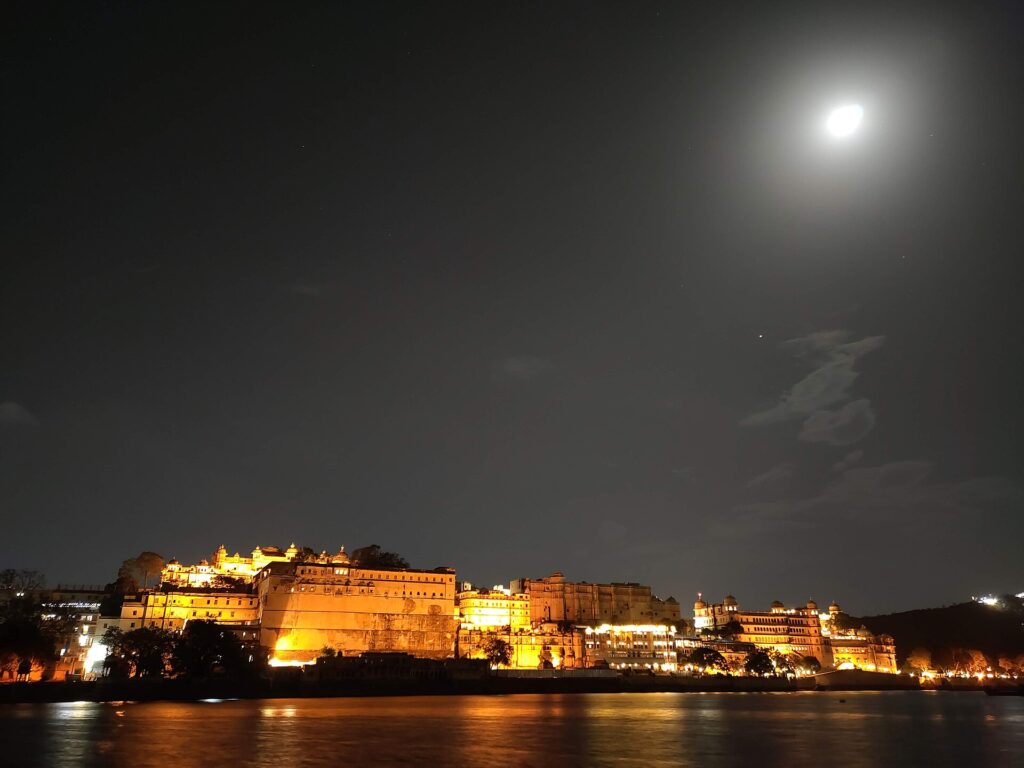
What to Cut if You Arrive Late
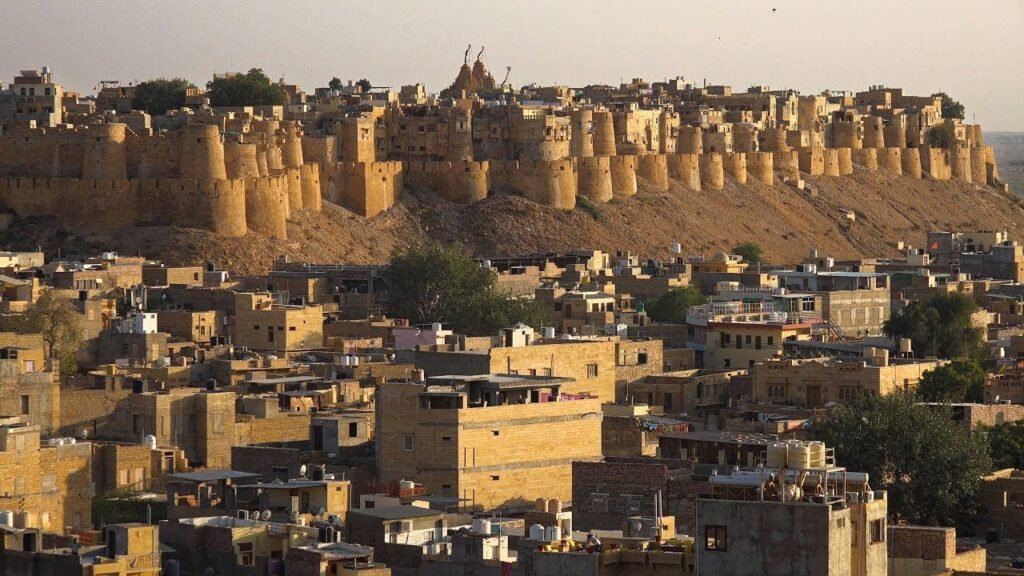
Jaisalmer, The Golden Citadel

Taste The Mouthwatering Meals Of Bhutan
The Town You Sleep In
Why the base town shapes a monsoon waterfall trip more than any single fall, what to look for, and towns in Karnataka, Kerala and Goa worth considering.
One village ghat upriver
Train versus road that week
Markets before the 20th, not on it
Journeys Worth Discovering
Explore inspiring destinations, memorable journeys and travel stories from across India and beyond.
Explore destinations




