
Manali is one of the most visited places in Himachal Pradesh. Its fame brings crowds, traffic and a busy Mall Road, especially in peak season. But a short drive down the Kullu valley lies Naggar, a village that was once the capital of the Kullu kingdom. Naggar is close enough to Manali to visit easily, yet it feels like another world: quieter, older and slower. This piece is about Naggar, and why it might be the better base for a first visit to the valley.
Where Naggar is
Naggar sits on the left bank of the Beas river, on the slopes above the valley floor, roughly twenty kilometres south of Manali, depending on the route. It is reached by road from Manali or from Kullu, and the drive takes under an hour in normal traffic. The village looks across the valley to the mountains on the other side, with apple orchards and forests all around.
A former capital
For several centuries, Naggar was the capital of the Kullu kingdom, before the capital moved to Sultanpur (present-day Kullu town), traditionally dated to the seventeenth century. The village’s history is visible in its castle, temples and old houses.
Naggar Castle
The most famous building in Naggar is the castle, traditionally said to have been built in the fifteenth or sixteenth century by a Kullu ruler. It is built in the traditional kath-kuni style of the region, which alternates layers of stone and timber, without mortar. This technique is known for withstanding earthquakes, and the castle is said to have survived the major Kangra earthquake of 1905.
The castle was later used by the British and has been converted into a heritage hotel run by the state tourism corporation. Visitors can usually enter the courtyard and see the small Jagti Patt temple, which houses a stone slab with a local legend attached. The views from the castle’s balconies across the valley are wonderful.
The Roerich connection
Naggar is also known for its link with Nicholas Roerich, the Russian painter, writer and philosopher, who settled here in the late 1920s and lived in Naggar until his death in 1947. His estate, above the village, now houses the Nicholas Roerich Art Gallery, displaying many of his paintings of the Himalayas, with their vivid colours and mystical themes.
The estate also includes the memorial to Roerich and the house where the family lived. Nearby is the Urusvati Himalayan Folk and Art Museum, which displays local crafts and art. The estate is managed by a trust, and opening hours and entry fees may change, so check before visiting.
Temples of Naggar
Naggar has several old temples, built in the traditional styles of the Kullu valley.
Gauri Shankar Temple
This small stone temple, dedicated to Shiva, is in the shikhara style and is believed to date to around the eleventh or twelfth century. It is protected by the Archaeological Survey of India.
Tripura Sundari Temple
This temple has a striking pagoda-style roof, typical of the Kullu valley’s wooden temple architecture. It is dedicated to the goddess Tripura Sundari and is a focus of local festivals.
Murlidhar Temple
Further up the hill, the Murlidhar Temple, dedicated to Krishna, is in the village of Thawa. It offers fine views and is believed to be an old site.
Why stay in Naggar instead of Manali
- Quieter: Naggar has far less traffic and fewer crowds than Manali.
- Character: old houses, temples and orchards give the village a strong sense of place.
- Views: wide views across the Beas valley to the mountains.
- Access: close enough to Manali to visit for the day, and handy for Kullu and the airport at Bhuntar.
- Walks: forest and village walks start right from the village.
Walks from Naggar
Naggar is a good base for walking. Some ideas:
- Walk up to the Roerich estate and on to the village of Rumsu.
- Follow the forest trail to the Murlidhar Temple at Thawa.
- Longer treks lead over the Chanderkhani Pass towards Malana, though these require preparation, a guide and attention to local rules and customs, especially regarding Malana’s distinctive traditions.
What to eat
Naggar has a few cafés and small restaurants serving local and Tibetan food. Try trout from the river, siddu and local apples in season. Homestays often serve home-cooked meals, which can be the best food in the village.
Where to stay
Accommodation in Naggar ranges from the heritage castle hotel to homestays and guesthouses. Staying in a homestay offers a chance to experience local life and enjoy home cooking.
When to visit
Naggar can be visited year-round. Spring, especially April and May, brings apple blossom, pleasant weather and clear views. Autumn, from September to November, offers clear skies and the apple harvest. Winter is cold, with occasional snow. The monsoon months bring rain and the risk of landslides on roads.
Getting there
- By air: the nearest airport is at Bhuntar, near Kullu, with limited flights.
- By road: buses from Delhi and Chandigarh run to Manali and Kullu, from where local buses and taxis go to Naggar.
- From Manali: by taxi or local bus, crossing the river at Patlikuhl.
A day trip from Manali
If you are staying in Manali, you can visit Naggar for the day. Visit the castle in the morning, walk to the Roerich estate, lunch at a café and visit the temples in the afternoon.
An evening in Naggar
When the day visitors leave, Naggar settles into a different rhythm. Lights come on across the valley, temple bells ring for the evening prayer, and the air cools quickly. Sitting on a balcony with a cup of tea, watching the last light fade from the peaks, is one of the simplest pleasures of staying here rather than passing through.
A gentle tip
Naggar’s appeal lies in its quiet. Please respect it. Keep noise down, avoid littering, dress modestly in temples and ask before photographing people.
Naggar and the valley
Naggar is not a substitute for Manali; it is a different way of seeing the Kullu valley. Where Manali offers energy and activity, Naggar offers history and calm. For many travellers, the best plan is to stay in Naggar and visit Manali, rather than the other way around.
Opening hours, entry fees, transport schedules and local conditions change. Please check current information before you travel.
More from Issue 60
- April 2024
- Editor’s Letter: Himachal Pradesh
- Shimla: The Enigmatic Jewel of Himachal Pradesh
- Manali: A Himalayan Haven in Himachal Pradesh
- Dalhousie: A Beautiful Himalayan Retreat in Himachal Pradesh
- Travel through Dharamshala & McLeod Ganj
- Kasol: A Himalayan Paradise of Tranquilly & Adventure
- Shimla to Spiti: The One Route That Explains Himachal Pradesh
- Three Days in Himachal Pradesh, Not a Checklist
- What to Skip on a First Trip to Himachal Pradesh
- Food, Stay and How You Actually Move in Himachal Pradesh
Bastar Dussehra: The Quieter, Older Festival Beside the Famous Ones
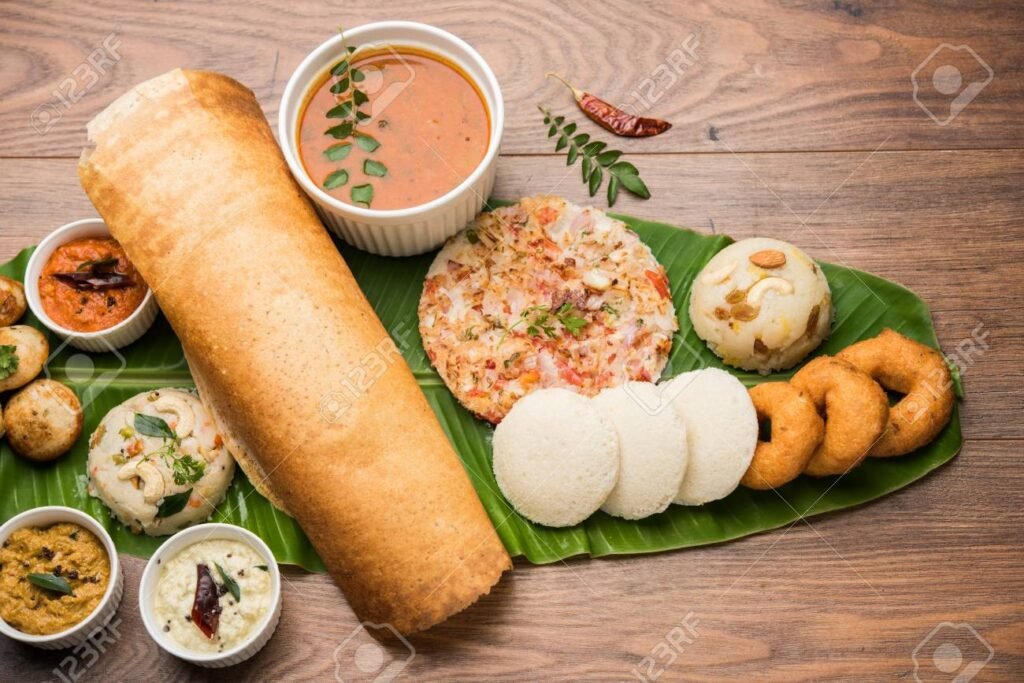
Udupi Cuisine

Darjeeling: A Symphony of Nature, Culture, & Colonial Charm
The Town You Sleep In
Why the base town shapes a monsoon waterfall trip more than any single fall, what to look for, and towns in Karnataka, Kerala and Goa worth considering.
One village ghat upriver
Train versus road that week
Markets before the 20th, not on it
Journeys Worth Discovering
Explore inspiring destinations, memorable journeys and travel stories from across India and beyond.
Explore destinations




