
When people talk about Dussehra in India, they usually mention Mysuru’s elephants, Kullu’s gathering of gods or the burning effigies of the north. Far fewer have heard of the Dussehra of Bastar in southern Chhattisgarh. Yet it is one of the longest festivals in the country, lasting about seventy-five days, and one of the most distinctive. In Bastar, Dussehra is not about Rama and Ravana at all. It is dedicated to Danteshwari Devi, the region’s presiding goddess, and it brings together the tribal communities of the region in a series of rituals that are found nowhere else.
Why Bastar is different
Bastar Dussehra is generally traced back several centuries to the rulers of the Bastar kingdom, with a tradition linking it to the Kakatiya dynasty that ruled the region. Over the centuries, it became a festival that bound the royal family, the goddess and the many communities of the forest together. Each ritual is performed by a particular community, and the festival is as much about social relationships as it is about worship.
The festival begins in the monsoon, around the time of the Hariyali Amavasya, and continues through Navaratri to its climax around Dussehra. It is centred in Jagdalpur, the main town of the region, and around the Danteshwari temple there. The main temple of the goddess is at Dantewada, about two hours away by road.
The rituals to know
Bastar Dussehra has many stages, and visitors usually see only a few. Here are some of the most important, though their exact timing varies each year.
- Pat Jatra, the worship of the wood that will be used to build the chariot, marks the beginning of the festival.
- Kachan Gadi, in which a young girl from a particular community, believed to be possessed by the goddess, sits on a swing of thorns and grants permission for the festival to proceed.
- Jogi Bithai, in which a man from a local community sits in meditation in a pit for the days of Navaratri, praying for the festival’s success.
- Rath Parikrama, in which a huge wooden chariot, built by hand by local craftsmen without modern tools, is pulled through the streets of Jagdalpur by villagers.
- Muria Darbar, a traditional council in which tribal leaders meet to discuss local issues, a practice that continues today, often with state officials attending.
The chariot processions are the most spectacular to watch. Hundreds of villagers haul the massive wooden rath through the town’s streets, accompanied by drums and the shouts of the crowd. Unlike the more choreographed processions of Mysuru, there is something raw and communal about it.
Visiting respectfully
Bastar is a region of great cultural diversity, home to communities such as the Gond, Muria, Maria, Dhurwa and Halba, among others. The rituals of Dussehra are sacred and are not staged for tourists. Watch from the side, follow the guidance of local officials and organisers, and always ask before photographing people, especially during rituals. A local guide can help you understand what you are seeing and introduce you to the context behind each ceremony.
Some parts of Bastar have security concerns, and conditions change. Check the latest travel advisories, stay in Jagdalpur or other well-established tourist bases, and travel with a reputable local operator if you plan to venture into the interior.
Beyond the festival
Jagdalpur is a good base for exploring the natural beauty of Bastar. About forty kilometres away, the Chitrakote waterfall on the Indravati river is sometimes called the Niagara of India for its broad, horseshoe-shaped drop; in October, after the monsoon, it is at its most powerful. The Tirathgarh falls, in the Kanger Valley National Park, tumble over a series of rock steps, and the park itself is known for its limestone caves, such as Kutumsar, although access to caves can be restricted in the monsoon and early autumn.
The weekly haats, or village markets, held in towns across the region are another highlight. Here, villagers come to trade forest produce, vegetables, tools and household goods, and you may find bell-metal craft known as dhokra, terracotta, wrought iron and woodwork. Buy directly from artisans where you can.
A suggested four-day plan
Give Bastar at least four days. Spend the first day settling into Jagdalpur, visiting the Danteshwari temple in town and walking through the market. Keep the second and third days for the festival rituals that fall during your visit, especially a chariot procession, with an afternoon trip to Chitrakote to watch the sun set over the falls. On the last day, visit a weekly haat or a craft village, or drive to Dantewada to see the goddess’s main temple at the confluence of the Shankini and Dankini rivers. Keep your plans flexible; ritual timings can shift, and local advice is invaluable.
Food of Bastar
Bastar’s food draws on the forest. Look for dishes made with local rice and millets, and ask about chapra, a chutney made with red ants that is famous across the region, though it is not to everyone’s taste. Mahua, the flower of the mahua tree, is used in sweets and in a traditional drink. Try what is offered, with respect for the culture it comes from.
When and how to go
The climax of Bastar Dussehra falls around Navaratri and Dussehra, which in 2024 means early to mid-October. Because the festival is long, it is worth checking the dates of the specific rituals you want to see with the Chhattisgarh tourism board or a local operator.
Jagdalpur has an airport with limited flights, and the nearest major hubs are Raipur and Visakhapatnam, both reachable by road or rail. The journey from Raipur takes most of a day by road. Accommodation in Jagdalpur ranges from simple hotels to government-run tourism properties; book early for the festival period.
Why go to Bastar instead
There is nothing wrong with Mysuru or Kullu. But if you want to see a Dussehra that has grown out of a specific landscape and its people, with rituals that carry centuries of history and a community spirit that is hard to find elsewhere, Bastar is extraordinary. It is quieter, older and, for many travellers, far more moving. Go with an open mind and respect, and it will change the way you think about this festival.
More from Issue 66
- October 2024
- Editor’s Letter: Dussehra, When the Whole Country Tells One Story
- Where to Experience the Most Grand Dussehra Celebrations in India
- Top 10 Navratri Festival Destinations for Cultural Immersion
- Wildlife Sanctuaries Reopening in October: What to See and When to Visit
- Why October is the Best Time to Explore India’s Fortresses
- Intriguing Facts About Festivals, Forts, and Forests
- Mysore Dasara
- Kullu Dussehra: The One Valley Route That Explains the Festival
- Three Days of Mysuru Dasara, Not a Checklist
- What to Skip on Your First Dussehra Trip
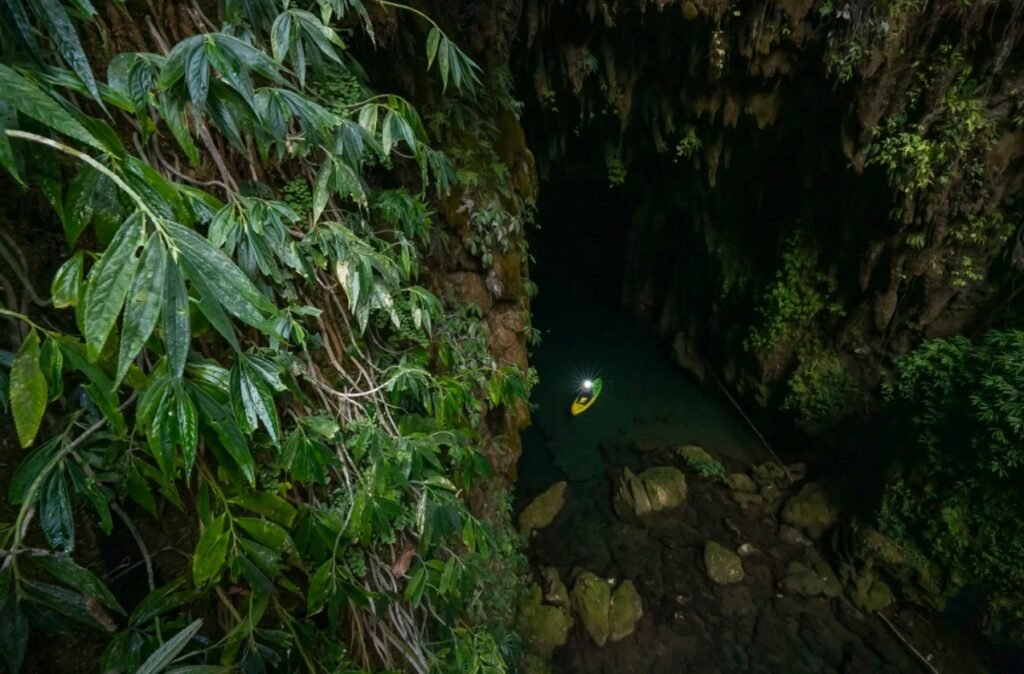
Krem Chympe Cave – The Hidden Gem of Meghalaya

Exploring the Saryu River: A Spiritual and Scenic Experience
Editor’s Letter: Snow Destinations of India
The Town You Sleep In
Why the base town shapes a monsoon waterfall trip more than any single fall, what to look for, and towns in Karnataka, Kerala and Goa worth considering.
One village ghat upriver
Train versus road that week
Markets before the 20th, not on it
Journeys Worth Discovering
Explore inspiring destinations, memorable journeys and travel stories from across India and beyond.
Explore destinations




