
Across most of India, Dussehra ends on Vijayadashami with the burning of Ravana’s effigy. In the Kullu valley of Himachal Pradesh, that is the day the festival begins. For about a week after Vijayadashami, hundreds of village deities travel down from their temples in the hills on decorated palanquins to gather in the town of Kullu, paying their respects to Lord Raghunath. No other celebration explains so well how Dussehra can be at once a national festival and a deeply local one. And the best way to understand it is to follow the deities’ route down the valley.
The story behind Kullu Dussehra
The festival’s origins are usually traced to the seventeenth century and Raja Jagat Singh of Kullu. According to the most often told version of the legend, the king, troubled by a curse, was advised to bring an idol of Lord Raghunath, a form of Rama, from Ayodhya and to install it in Kullu as the true ruler of the valley. The king then declared himself the deity’s servant, and Raghunath became the presiding god of Kullu. Dussehra became the occasion on which all the valley’s local gods came to pay homage.
Unlike many Dussehra celebrations, Kullu’s is not centred on effigies of Ravana. Instead, it is a vast gathering of devtas and devis, each accompanied by villagers, musicians and attendants, set against the autumn colours of the Beas valley. The festival is held on the Dhalpur Maidan in Kullu town and has been recognised by the state as an international festival.
Start in Manali: the upper valley
Our route begins in Manali, at the head of the Kullu valley. In the days before Vijayadashami, the upper valley is already restless. In villages around Manali, preparations begin for the long walk down to Kullu, and if you are lucky you may see a deity’s palanquin being decorated, or hear the long brass horns and drums that announce a procession.
The Hadimba temple in the cedar forest above Old Manali is a good place to start. Goddess Hadimba holds a special position in the Kullu Dussehra tradition, and her arrival is closely linked to the start of the festivities. Visit early in the morning, before the crowds, and spend a few minutes under the deodars, listening to the wind.
Naggar: the old capital
From Manali, take the road along the left bank of the Beas to Naggar, the former capital of the Kullu kingdom. Naggar Castle, built in the traditional kath-kuni style of stone and timber, looks across the valley towards snow-dusted peaks. Nearby, the Nicholas Roerich estate preserves the home and paintings of the Russian artist who made this valley his home in the twentieth century.
Naggar is a good reminder of the political history behind the festival. It was from these hills that the rulers of Kullu governed, and it was their decision, centuries ago, that made Raghunath the king of the valley. Take a slow walk around the village, look at the carved temples, and imagine the valley before roads.
The road down: devtas on the move
The stretch from Naggar towards Kullu, along either bank of the Beas, is where the route comes alive during the festival week. On the day before and the day of Vijayadashami, you may meet processions on the road: a palanquin carried on the shoulders of villagers, draped in silks and topped with silver masks of the deity, followed by musicians and devotees. Each deity has its own customs and its own pace, and some come from remote villages many days’ walk away.
If you meet a procession, stop and let it pass. Many devotees are happy to explain which deity they are carrying, but do ask before you take photographs, and never touch the palanquin. These are not performances; they are sacred journeys.
Kullu town and the Dhalpur Maidan
The heart of the festival is the Dhalpur Maidan, a broad open ground in Kullu town. On Vijayadashami, the idol of Raghunath is brought from its temple to a chariot on the maidan, and the gathered deities and their attendants take part in a grand procession as the chariot is pulled across the ground by devotees. It is a moment of extraordinary energy: drums, horns, dancers, and thousands of people from every corner of the valley.
Over the following days, the maidan turns into a combination of temple, fair and marketplace. The deities sit in their temporary camps, receiving visitors. Stalls sell shawls, woollens, local apples, dried fruits and traditional food. In the evenings, cultural programmes bring together folk dancers from Himachal and performers from across India and abroad. Watch for the Kullu Nati, a slow, circular folk dance that seems to involve the whole valley.
On the last day, the festival culminates in a ceremony on the banks of the Beas, often described as the Lanka Dahan. Traditions associated with this day have changed over time, and some older rituals have been discontinued; ask locally what the current practice is. After this, the deities begin their long journeys home.
Bhuntar and the lower valley
End the route at Bhuntar, a little downstream from Kullu, where the Parvati river joins the Beas. From here, the road climbs into the Parvati valley towards Manikaran, known for its hot springs and its gurdwara and temples. If you have a spare day, it is a peaceful way to close the trip after the noise of Dhalpur.
When and how to go
Kullu Dussehra begins on Vijayadashami and usually lasts about a week. In 2024, Vijayadashami falls in mid-October; confirm exact dates with Himachal Pradesh tourism before you book. Accommodation in Kullu town fills quickly, so many visitors stay in Manali, Naggar or the villages in between and travel in each day.
The nearest airport is at Bhuntar, with limited flights. Most travellers come by road from Delhi or Chandigarh, an overnight bus journey or a long day’s drive. Roads can be congested during festival week, so leave early and be patient.
Tips for the route
- Mornings in October are cold. Pack warm layers, even if afternoons feel mild.
- Wear comfortable shoes; the maidan is large and crowded.
- Respect each deity’s space and the instructions of its attendants.
- Try local food such as siddu, a steamed bread often served with ghee.
- Carry cash, as some stalls may not accept cards.
Why this route explains Dussehra
Following the deities down the Kullu valley shows you that Dussehra is not one story but many. It is Rama’s victory, yes, but it is also the loyalty of a valley to its gods, the memory of an old kingdom, the pull of a mountain fair and the joy of villagers meeting after a hard year in the fields. Walk the route, stand at the edge of the maidan as the chariot moves, and you will understand why people in this valley say that the gods themselves come to celebrate.
More from Issue 66
- October 2024
- Editor’s Letter: Dussehra, When the Whole Country Tells One Story
- Where to Experience the Most Grand Dussehra Celebrations in India
- Top 10 Navratri Festival Destinations for Cultural Immersion
- Wildlife Sanctuaries Reopening in October: What to See and When to Visit
- Why October is the Best Time to Explore India’s Fortresses
- Intriguing Facts About Festivals, Forts, and Forests
- Mysore Dasara
- Three Days of Mysuru Dasara, Not a Checklist
- What to Skip on Your First Dussehra Trip
- Bastar Dussehra: The Quieter, Older Festival Beside the Famous Ones

Embrace Divinity at Baidyanath Jyotirlinga Temple

Meet The Sacred Town “Ajmer”
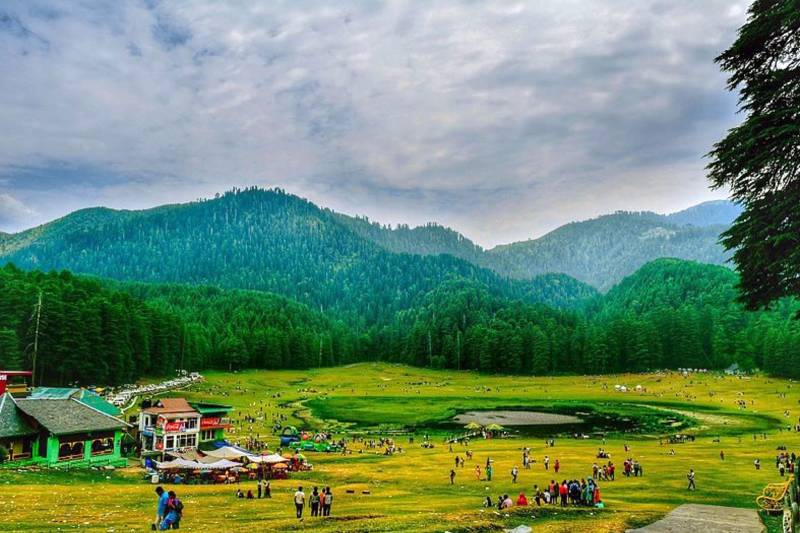
Dalhousie: A Beautiful Himalayan Retreat in Himachal Pradesh
The Town You Sleep In
Why the base town shapes a monsoon waterfall trip more than any single fall, what to look for, and towns in Karnataka, Kerala and Goa worth considering.
One village ghat upriver
Train versus road that week
Markets before the 20th, not on it
Journeys Worth Discovering
Explore inspiring destinations, memorable journeys and travel stories from across India and beyond.
Explore destinations




