
If you could take only one road in Himachal Pradesh, which would it be? Our answer is the journey from Shimla along the Sutlej through Kinnaur and into the Spiti valley. On this single route, you can see almost every face of the state: colonial hill station, apple orchards, deep river gorges, wooden temples, high-altitude villages and Buddhist monasteries in a cold desert. It is a long and demanding drive, but it explains Himachal better than any list of destinations.
Why this route
Himachal is often seen as a collection of separate hill stations. The Shimla to Spiti road links them into a story. As you move from south to north-east, the landscape shifts from green, forested hills to bare, wind-carved mountains. Hindu temples give way to Buddhist gompas. Pine forests give way to poplars and willows along glacial streams. The people, food and architecture change with the altitude.
The route via Kinnaur is also, in most years, the more reliable way to reach Spiti early in the season. The alternative approach from Manali depends on the Rohtang Pass or Atal Tunnel and then on the Kunzum Pass, which is usually closed by snow until late spring or early summer. The Kinnaur road, by contrast, is generally kept open for much of the year, although landslides and weather can still cause closures.
The stages of the journey
There is no single correct itinerary, but a comfortable trip typically takes a week or more. Here are the main stages.
Shimla
The journey begins in Shimla, the former summer capital of British India. Walk the Mall Road and the Ridge, visit Christ Church, and if time allows, the Viceregal Lodge (now the Indian Institute of Advanced Study). Shimla is the gateway, a city of colonial buildings, busy markets and forested ridges. Our published story on Shimla in this issue goes into more detail.
Narkanda and Rampur
From Shimla, the road climbs to Narkanda, known for its apple orchards and views of the snow peaks, and for skiing in winter. The Hatu Peak and its temple are nearby. Beyond Narkanda, the road descends to the Sutlej valley and the town of Rampur Bushahr, once the capital of the princely state of Bushahr. The Padam Palace in Rampur is a reminder of that history.
Sarahan
A short detour from the main road takes you to Sarahan, home to the Bhimakali Temple, a striking example of the region’s wood-and-stone architecture. The temple is dedicated to the goddess Bhimakali, the patron deity of the former Bushahr rulers. On a clear day, the views of the Srikhand range from Sarahan are wonderful.
Kinnaur: Sangla, Chitkul and Kalpa
Beyond Sarahan, you enter Kinnaur, a district of steep gorges, apple orchards and wooden villages. A side road leads up the Baspa valley to Sangla and Chitkul, often described as the last inhabited village on the road near the Tibet border. The valley is beautiful in spring, with blossom and fresh green fields.
Further along the main road, Reckong Peo is Kinnaur’s district headquarters, and above it lies Kalpa, a village with views of the Kinnaur Kailash range. Kalpa’s old temples and orchards make it a lovely place to rest for a night or two. Kinnaur is generally open to Indian travellers without special permits, but foreign nationals may need an inner line permit for some areas close to the border, typically issued at Reckong Peo or Shimla. Check current rules before you travel.
Nako
Beyond Kinnaur, the landscape becomes drier. The road passes through dramatic gorges along the Sutlej and the Spiti, and climbs to Nako, a village with a small lake and an old monastery. At around 3,600 metres, Nako is a good place to acclimatise before going higher.
Into Spiti: Tabo, Dhankar and Kaza
Entering Spiti, you reach Tabo, home to one of the oldest continuously functioning Buddhist monasteries in the Himalaya, traditionally dated to the late tenth century. Its murals and statues are remarkable. Beyond Tabo, the Dhankar Monastery is perched dramatically on a cliff above the confluence of the Spiti and Pin rivers.
Kaza, the main town of Spiti, is the base for exploring the valley. From here, you can visit Key Monastery, the high village of Kibber, and Langza, Hikkim and Komic, among the highest villages in the region. The landscape is stark and beautiful, with wide valleys, snow peaks and tiny whitewashed villages.
Practical notes
Altitude
Spiti is a high-altitude region, with Kaza at roughly 3,800 metres and some villages much higher. Altitude sickness is a real risk. The Kinnaur route has the advantage of a gradual ascent, which helps acclimatisation. Rest in Kalpa and Nako before going higher, drink plenty of water, and descend if you feel unwell.
Roads
The roads are mountainous, narrow in places and prone to landslides, especially in the monsoon. Drive times can be long. Many travellers hire a car with an experienced local driver rather than driving themselves. Fuel stations are limited in remote stretches, so plan accordingly.
Seasons
In April, the Kinnaur route is usually open, but Spiti can still be very cold and snowy, and some higher villages may be difficult to reach. Many travellers consider late spring to early autumn the best period. The monsoon brings landslide risk to Kinnaur, though Spiti itself receives little rain.
Connectivity
Mobile coverage and internet access can be patchy in parts of Kinnaur and Spiti. Carry cash, as ATMs are limited.
Returning
From Spiti, you can either return the same way or, when the Kunzum Pass is open, continue to Lahaul and Manali, completing a circuit. Check road status before you plan the circuit, as Kunzum’s opening dates vary each year.
What the route teaches
By the time you reach Kaza, you will have seen colonial Shimla, apple country, temple architecture, deep gorges and the high desert. You will have understood something essential about Himachal: that it is not one place but many, each shaped by altitude, river and faith. That is why this is the one route that explains the state.
Road openings, permit requirements and conditions change. Please check current information before you travel.
More from Issue 60
- April 2024
- Editor’s Letter: Himachal Pradesh
- Shimla: The Enigmatic Jewel of Himachal Pradesh
- Manali: A Himalayan Haven in Himachal Pradesh
- Dalhousie: A Beautiful Himalayan Retreat in Himachal Pradesh
- Travel through Dharamshala & McLeod Ganj
- Kasol: A Himalayan Paradise of Tranquilly & Adventure
- Three Days in Himachal Pradesh, Not a Checklist
- What to Skip on a First Trip to Himachal Pradesh
- Naggar Beside Manali: A Quieter Place Beside the Famous One
- Food, Stay and How You Actually Move in Himachal Pradesh

Andaman & Nicobar Treasures and Artefacts
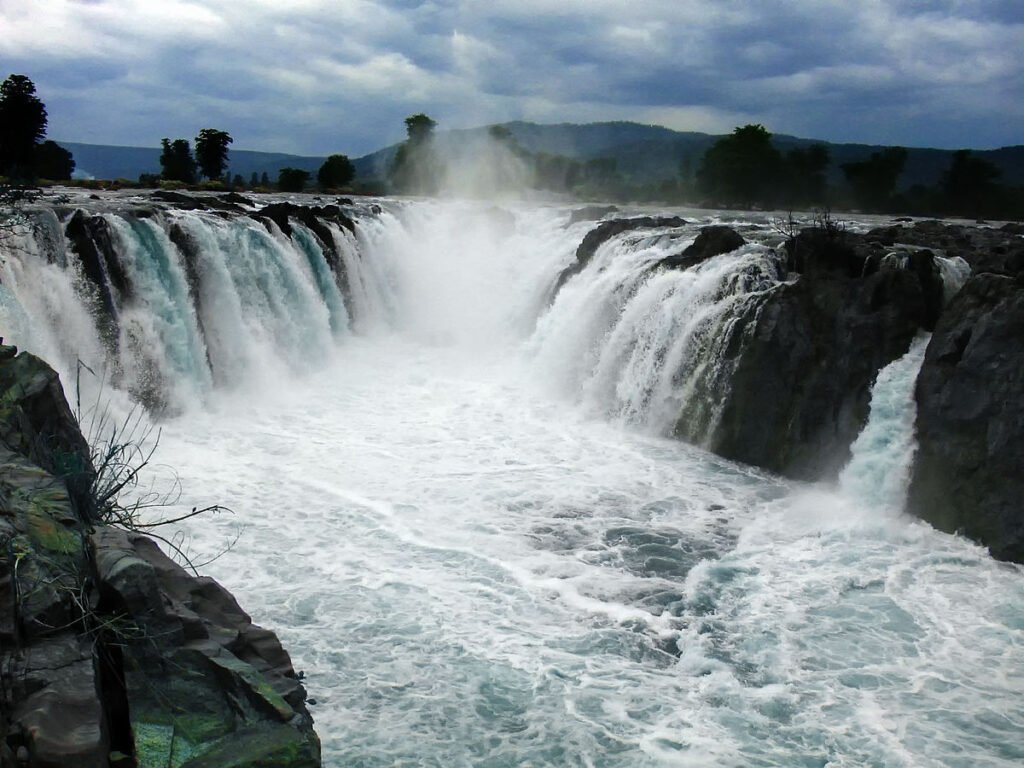
Hogenakkal ‘smoking rock’
Editor’s Letter: February, and the Art of Travelling Lightly
The Town You Sleep In
Why the base town shapes a monsoon waterfall trip more than any single fall, what to look for, and towns in Karnataka, Kerala and Goa worth considering.
One village ghat upriver
Train versus road that week
Markets before the 20th, not on it
Journeys Worth Discovering
Explore inspiring destinations, memorable journeys and travel stories from across India and beyond.
Explore destinations




