
Dear reader,
There is a particular kind of silence you only hear in an Indian forest at dawn. The jeep engine stops. The guide raises a hand. For a moment nobody moves, and then the forest begins to speak: a peacock calling from somewhere behind the sal trees, the sharp bark of a sambar, the rustle of langurs in the canopy, and, if you are very lucky, the low warning call of a chital that tells you something with stripes is walking nearby. I have been fortunate enough to sit in that silence many times, and it has never once failed to move me.
This February issue of Travel Viewpoint is dedicated to that feeling, and to the responsibility that comes with it. Our theme is nature, wildlife and responsible travel experiences in India, and I cannot think of a better month for it.
Why February
February is a gift to the wildlife traveller. The bitter cold of early winter is easing, though dawn safaris can still be chilly. The tall grasses of the monsoon have thinned. Water remains in the forest, so animals are spread across the landscape, and the great flocks of migratory birds that arrive in winter are still with us in many wetlands. Across the country, from the meadows of central India to the forests of the south and the wetlands of Rajasthan, the conditions for exploring nature are about as good as they get.
What is inside
We begin with the big question, where to go, in our guide to the best national parks for animal sightings in February, followed by a celebration of India’s finest bird-watching destinations this month. For those who want to stay close to the forest, we explore eco-stays and jungle resorts worth considering, and for travellers who would rather walk than ride, we head into the forests of South India on foot.
We then ask harder questions. Our feature on the do’s and don’ts of responsible wildlife travel is, I think, one of the most important pieces we have published, and I hope you will read it before your next safari. Our honest guide to what to skip on your first wildlife safari will, I hope, save first-timers from the mistakes so many of us made.
For slower journeys, we follow the route from Kanha to Bandhavgarh in Madhya Pradesh, which explains Indian wildlife travel better than any brochure could, and we spend three unhurried days in Bharatpur’s Keoladeo, among storks, ducks and cycle-rickshaws. Our guest writer takes us to Satpura, a quieter tiger reserve where you can walk and paddle through the forest, and our practical guide to food, stay and getting around pulls everything together.
The art of travelling lightly
I have titled this letter the art of travelling lightly, and I mean it in two ways.
The first is literal. Travel light. You do not need a mountain of equipment to enjoy a forest. A pair of binoculars, warm layers, a refillable water bottle and a notebook will take you further than a bag full of gadgets. The lighter you travel, the more attention you have left for what is around you.
The second meaning matters more. Travel in a way that leaves the lightest possible mark. India’s forests are under enormous pressure, from habitat loss and fragmentation to roads, mining and human-wildlife conflict. Tourism can be part of the problem or part of the solution. When we crowd jeeps around a tiger, demand guaranteed sightings, litter, or treat the forest as a backdrop for selfies, we add to that pressure. When we follow park rules, choose stays that employ local people, respect the communities who have lived beside these forests for generations, and spend our money in ways that make wildlife worth more alive than gone, we become part of the solution.
India has a remarkable conservation story to tell. Over the past few decades, tiger numbers in the country have grown, according to official estimates, and the number of tiger reserves has steadily increased. Species once pushed to the edge, like the hard-ground barasingha of Kanha, have been brought back through patient, dedicated work. These successes belong to forest guards, scientists, local communities and policymakers, and responsible travellers can help sustain them.
A small request
As you plan your trips this season, I would ask just one thing of you: slow down. Choose one park instead of five. Stay an extra night. Take a village walk with a local guide. Learn the names of five birds you did not know before. Sit with the silence at the edge of a meadow and let the forest come to you. The tiger may or may not appear, but something in you will change, and that is the real reward of wildlife travel.
Thank you, as always, for reading, writing to us and sharing your journeys. Many of the ideas in this issue began with your letters and questions, and I look forward to hearing about your own adventures in India’s wild places this February.
Before you go
If you take only a few ideas from this issue, let them be these. Book your safari permits through official forest department channels and plan ahead, because popular zones fill up. Wear muted colours, keep your voice low and never ask a driver to break the rules for a closer look. Carry your rubbish out and say no to single-use plastic. Spend your money locally, on naturalists, homestays, crafts and food from the communities around the parks. And remember that the forest owes us nothing; every sighting, from a kingfisher to a tiger, is a privilege.
Next month, we turn our attention beyond India’s borders and ask where in the world to travel in March. Until then, may your mornings be misty, your binoculars clean and your jeep quiet.
With warm wishes from the edge of the forest,
Khushi Anand, Editor
More from Issue 70
- February 2025: Inside This Issue
- Best National Parks to Visit in February for Animal Sightings
- Bird-Watching Destinations You Can’t Miss This February
- Eco-Stays and Jungle Resorts Worth Exploring
- Trekking Through Forests of South India
- The Do’s and Don’ts of Responsible Wildlife Travel
- Kanha to Bandhavgarh: The One Route That Explains Wildlife Travel in India
- Three Days in Bharatpur’s Keoladeo, Not a Checklist
- What to Skip on Your First Wildlife Safari in India
- Satpura: A Quieter Tiger Reserve Beside the Famous Ones
- Food, Stay and Getting Around on an Indian Wildlife Trip

Magnetic Hill In Leh : A Zero Gravity Place Of India
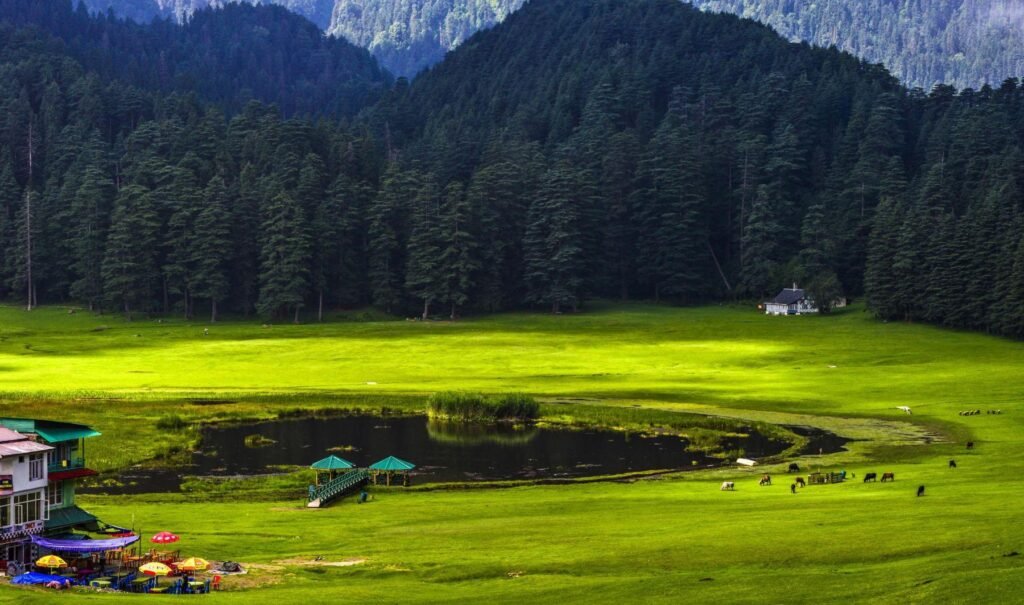
Delightful “Dalhousie”

Himachal Pradesh, “The Land Of Snow”!
The Town You Sleep In
Why the base town shapes a monsoon waterfall trip more than any single fall, what to look for, and towns in Karnataka, Kerala and Goa worth considering.
One village ghat upriver
Train versus road that week
Markets before the 20th, not on it
Journeys Worth Discovering
Explore inspiring destinations, memorable journeys and travel stories from across India and beyond.
Explore destinations




