
India has more than fifty tiger reserves, and every one of them has its admirers. But if you want a single journey that explains what wildlife travel in this country is really about, the landscapes, the conservation story, the forest communities and the quiet discipline of a good safari, it is hard to do better than the central Indian route between Kanha and Bandhavgarh in Madhya Pradesh. February is one of the finest months to make it.
Why central India, and why February
Madhya Pradesh is often called the tiger state of India, and its forests sit at the heart of the country’s tiger landscape. The sal and bamboo forests and grassy meadows of the Satpura and Maikal hills inspired some of the most famous jungle stories ever written, and they still hold some of India’s best-known reserves.
February sits in a sweet spot. The cold of December and January is easing, although mornings in open safari vehicles can still be chilly, so bring warm layers. The grasses that grew tall during the monsoon have begun to dry and thin, making wildlife easier to see. The heat of April and May, when sightings around waterholes peak but temperatures soar, is still weeks away. Birdlife is rich, with winter migrants still present in many areas.
Stop one: Kanha, the meadows of the barasingha
Start in Kanha Tiger Reserve. It is one of India’s most celebrated parks, and it is known for more than tigers. Kanha is home to the hard-ground barasingha, a swamp deer subspecies that was pushed to the edge of extinction in the twentieth century and brought back through dedicated conservation work in the reserve. It is one of the great success stories of Indian wildlife conservation, and seeing a herd of barasingha in Kanha’s open meadows is a privilege.
Kanha’s landscape is a mix of dense sal forest, bamboo and wide meadows called maidans. Early morning safaris, when the mist lifts off the grass and the light is soft, are magical. You may see gaur, the Indian bison, chital, sambar, wild boar, jackals and a huge variety of birds. Tigers and leopards live here too, but sightings are never guaranteed, and the best safaris are the ones where you stop expecting and start noticing.
Spend at least three nights in Kanha to allow several safaris across different zones. Safari permits are booked through the official Madhya Pradesh forest department system, and they can sell out well in advance for popular dates, so book early.
Between the parks: forest villages and the Maikal hills
The drive between Kanha and Bandhavgarh takes several hours by road, depending on your route and the zones you use. Do not treat it as dead time. It runs through farmland and forested hills, past villages of the Gond and Baiga communities whose lives have been bound up with these forests for generations.
If you can, stop at a local market or visit a community-run initiative, and learn a little about Gond art, with its intricate patterns of animals and trees, which has become celebrated far beyond central India. Buy directly from artists where possible. Responsible wildlife travel is not just about the animals; it is about the people who live alongside them.
Stop two: Bandhavgarh, the fort and the forest
Bandhavgarh National Park is smaller than Kanha, with a dramatic landscape of rocky hills, valleys and sal forest. At its heart stands the ancient Bandhavgarh fort, on a high plateau, with a long history and legends that connect it to the epics. Parts of the reserve have historically had a relatively high density of tigers, which is one reason it is so popular, but again, sightings depend on luck, season and zone.
Bandhavgarh also has striking rock-cut caves and old sculptures within its forests, including a large reclining figure of Vishnu, a reminder that this landscape has been home to people and faith for many centuries. Ask your naturalist which of these can be seen on your safari route.
Plan for at least two or three nights here as well.
What this route teaches you
This is the route that explains wildlife travel in India because it shows you the whole picture in one journey.
You see conservation in action: the barasingha’s recovery in Kanha, the role of buffer zones and corridors that allow animals to move between protected areas, and the long work of forest guards and researchers.
You see the forest as a living, shared landscape, not a zoo. Villages and farms sit at the edges of the reserves, and the relationship between people and wildlife, including the challenges of human-wildlife conflict, is part of the story.
And you learn the patience a good safari requires. You will spend hours watching langurs in the trees, listening for alarm calls from chital and sambar, studying pugmarks in the dust, and enjoying birds, from crested serpent eagles to Indian rollers, that many visitors overlook in their hurry to find a tiger.
Making the journey responsibly
- Book safaris only through official channels and with licensed guides and vehicles.
- Follow park rules strictly: stay in the vehicle, keep to the speed limits and designated tracks, and maintain distance from animals.
- Keep noise to a minimum. Do not ask drivers to chase or crowd an animal.
- Never feed wildlife, and carry all your rubbish out.
- Choose stays that employ local people, manage water and waste carefully, and support conservation.
- Remember that core zones of tiger reserves are typically closed on certain days or for set periods; check current rules and closures before you plan.
Getting there
The nearest major airport for Kanha is generally Jabalpur, with Nagpur and Raipur as other options. For Bandhavgarh, Jabalpur is also commonly used, and the railway station at Umaria is close to the park. Road transfers are the norm between the parks. Distances and travel times vary with your route and starting point, so plan with your lodge or a reliable operator.
A journey, not a hunt
If you travel this route hoping only to tick off a tiger, you may come home disappointed, even if you see one. But if you travel it to understand a landscape, you will come home changed. You will remember the mist on the meadows of Kanha, the sound of a sambar’s alarm call echoing through the forest, the ancient fort above Bandhavgarh, and the people who live at the edge of the jungle.
That is what wildlife travel in India is really about.
More from Issue 70
- February 2025: Inside This Issue
- Editor’s Letter: February, and the Art of Travelling Lightly
- Best National Parks to Visit in February for Animal Sightings
- Bird-Watching Destinations You Can’t Miss This February
- Eco-Stays and Jungle Resorts Worth Exploring
- Trekking Through Forests of South India
- The Do’s and Don’ts of Responsible Wildlife Travel
- Three Days in Bharatpur’s Keoladeo, Not a Checklist
- What to Skip on Your First Wildlife Safari in India
- Satpura: A Quieter Tiger Reserve Beside the Famous Ones
- Food, Stay and Getting Around on an Indian Wildlife Trip
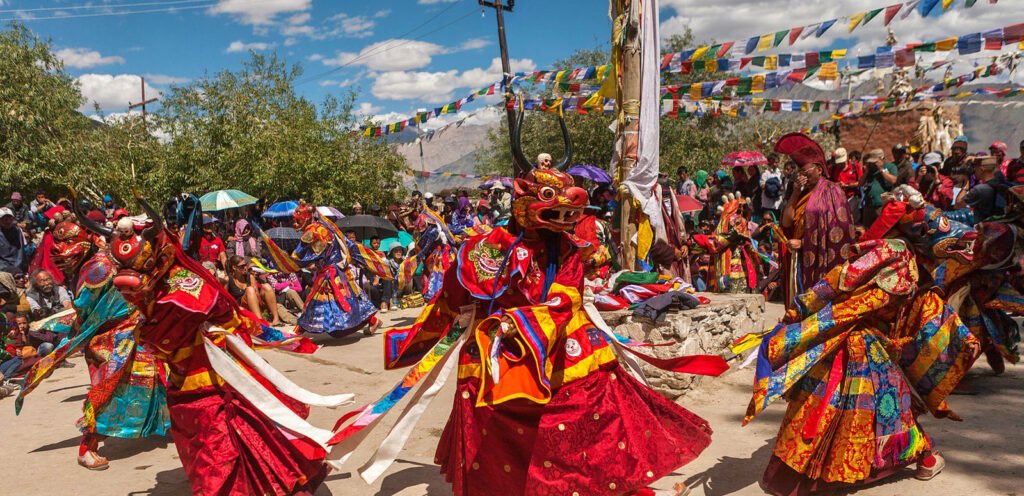
Yuru Kabgyat Festival, Leh

Greet Lucknow, the Nawabi Land!
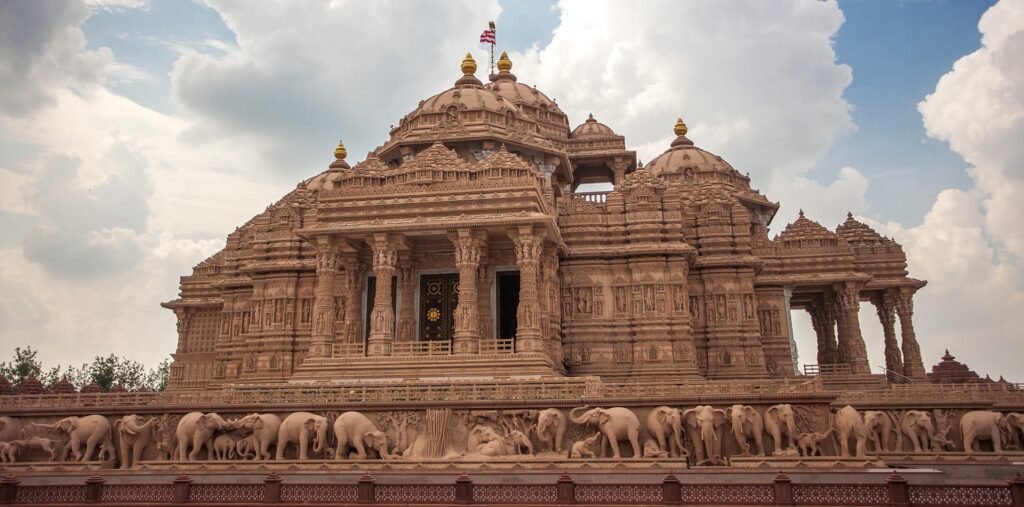
Swaminarayan Akshardham Temple, Delhi
The Town You Sleep In
Why the base town shapes a monsoon waterfall trip more than any single fall, what to look for, and towns in Karnataka, Kerala and Goa worth considering.
One village ghat upriver
Train versus road that week
Markets before the 20th, not on it
Journeys Worth Discovering
Explore inspiring destinations, memorable journeys and travel stories from across India and beyond.
Explore destinations




