
A wildlife trip in India is shaped as much by the practical details as by the animals you hope to see. Where you sleep, what you eat, how you get to the park gate before dawn and how you move between reserves all decide whether your trip feels relaxed or exhausting. They also decide how much of your money stays with the people who live alongside India’s forests. This guide brings together what we have learned over many seasons of wildlife travel, with a focus on February, one of the most comfortable months to be in the jungle.
Getting there: plan around the gateways
Most of India’s well-known reserves sit some distance from big cities, so your first decision is which gateway to use. As a rough guide:
- Central India (Kanha, Bandhavgarh, Pench, Satpura): Jabalpur, Nagpur and Bhopal are the usual airport gateways, with railheads such as Jabalpur, Katni, Umaria, Itarsi or Pipariya depending on the park.
- Rajasthan (Ranthambore, Keoladeo): Sawai Madhopur has a railway station close to Ranthambore, and Bharatpur is on the main rail network, within reach of Delhi, Agra and Jaipur.
- Maharashtra (Tadoba): Nagpur is the usual gateway, with Chandrapur closer to the park.
- Uttarakhand (Corbett): Ramnagar is the gateway town, reachable by rail and road from Delhi.
- South India (Bandipur, Nagarhole, Periyar, Mudumalai): Bengaluru, Mysuru, Kochi and Madurai are common starting points, depending on the park.
Train journeys are part of the charm of wildlife travel in India. An overnight sleeper to a forest railhead saves a hotel night and drops you closer to the jungle than any flight. Book well in advance in winter, when trains to popular destinations fill up quickly, and confirm current schedules on official railway apps or websites.
Getting around: transfers, jeeps and time
Once you arrive, you will usually need a road transfer to your lodge. Most lodges can arrange a car and driver, and in many places this is the simplest and safest choice. Self-driving is possible but not always relaxing, especially on rural roads at night.
Inside the reserves, safaris are typically done in open jeeps or canters (larger shared vehicles) operated by registered local drivers and accompanied by forest guides. You cannot usually take your own car into a core zone. Permits are booked through official state portals, and the number of vehicles per zone is limited. A few practical tips:
- Do not plan long transfers on safari days. Morning drives start around dawn, and afternoon drives end around dusk.
- Allow at least half a day to move between two parks, and often a full day.
- If you are combining parks, pick ones that sit close together, such as Kanha and Pench, or Kanha and Bandhavgarh, rather than criss-crossing the country.
Where to stay: lodges, homestays and forest rest houses
Accommodation near India’s parks ranges widely, from simple guesthouses to luxury jungle lodges. Broadly, you will find:
- State-run tourism properties, often well located and reasonably priced, though standards vary.
- Forest rest houses, sometimes inside or on the edge of reserves, with rustic charm and limited booking availability.
- Private eco-lodges and resorts, from mid-range to high-end, many with in-house naturalists.
- Homestays and village stays, an increasingly popular option that brings you closer to local life.
When choosing, look beyond the photographs. Ask whether the property employs and trains people from nearby villages, how it handles water and waste, whether it avoids single-use plastic, and whether its naturalists are knowledgeable and respectful of park rules. A good lodge is also a good source of advice on zones, permits and seasonal conditions. Our feature on eco-stays and jungle resorts in this issue goes into more detail.
What to eat: simple, local and seasonal
One of the quiet pleasures of a wildlife trip is the food. After a cold dawn drive, there is nothing quite like hot chai and a plate of poha or paratha at the lodge. Most jungle stays serve home-style Indian food: dal, seasonal vegetables, rotis, rice, pickles and curd, often with regional dishes if you ask.
- In central India, look out for poha and jalebi for breakfast, bhutte ka kees (a grated corn dish) where it is in season, and simple tribal-influenced preparations using local greens and millets at some lodges.
- In Rajasthan, dal baati churma, ker sangri and bajra rotis are classics, especially welcome on cool February evenings.
- In Maharashtra, varhadi-style spicy curries and fresh bhakri are common around Tadoba.
- In South India, idli, dosa, appam, Kerala-style stews and fresh coconut-based curries make every meal memorable.
Many lodges pack a breakfast box or serve breakfast in the forest during long morning drives, where allowed. If you have dietary requirements, tell your lodge in advance. Drink bottled or filtered water, and carry a refillable bottle to reduce plastic.
February weather and what to pack
February is a transition month. In central and north India, early mornings can be cold, particularly in an open jeep, while afternoons become pleasantly warm. South Indian parks are generally milder. Pack:
- Warm layers, a jacket, cap, gloves and a scarf for dawn drives.
- Light, breathable clothes in muted colours for the day.
- A wide-brimmed hat, sunglasses and sunscreen.
- Binoculars, a torch or headlamp, and a reusable water bottle.
- Any personal medicines, plus insect repellent.
Budgeting without surprises
Costs vary enormously depending on the park, zone, season and style of stay, so we will not quote prices here. The main components of a budget are permits and jeep fees, guide charges, accommodation, meals, transfers and tips. Check whether your lodge’s rate includes safaris and meals, as many packages do while others do not. Always book permits through official channels, and be cautious of unusually cheap or “guaranteed sighting” offers.
Responsible choices that make a difference
Every choice in this guide can be made responsibly. Choose trains and shared transfers where practical. Stay in places that respect the forest and employ local people. Eat local food, buy crafts directly from artisans, and tip guides and drivers fairly. Follow park rules without exception. These small decisions, multiplied across thousands of travellers, help ensure that India’s forests remain wild, and that the communities around them see real value in protecting them.
A sample four-night February plan
- Day 1: Overnight train or flight to the gateway, transfer to lodge, evening nature walk.
- Days 2 to 4: Morning and afternoon safaris, with a village walk or birding session in between.
- Day 5: Final morning drive or a slow breakfast, then transfer back to the gateway.
Keep it simple, stay long enough to settle in, and let the forest set the pace. That is the real secret of a good wildlife trip in India.
More from Issue 70
- February 2025: Inside This Issue
- Editor’s Letter: February, and the Art of Travelling Lightly
- Best National Parks to Visit in February for Animal Sightings
- Bird-Watching Destinations You Can’t Miss This February
- Eco-Stays and Jungle Resorts Worth Exploring
- Trekking Through Forests of South India
- The Do’s and Don’ts of Responsible Wildlife Travel
- Kanha to Bandhavgarh: The One Route That Explains Wildlife Travel in India
- Three Days in Bharatpur’s Keoladeo, Not a Checklist
- What to Skip on Your First Wildlife Safari in India
- Satpura: A Quieter Tiger Reserve Beside the Famous Ones
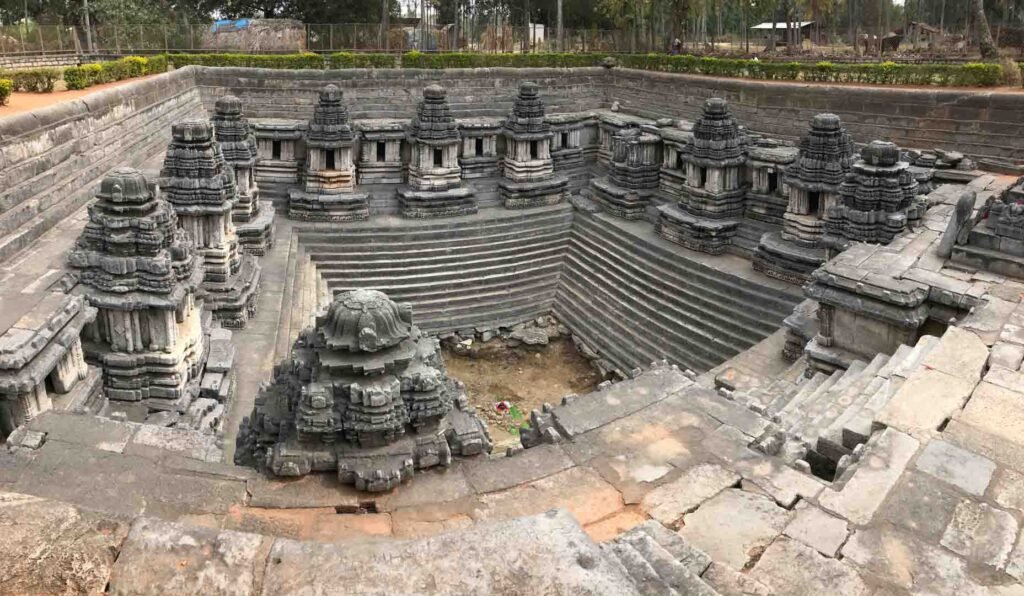
Beautiful Halebid
Pune Index: The City by Numbers
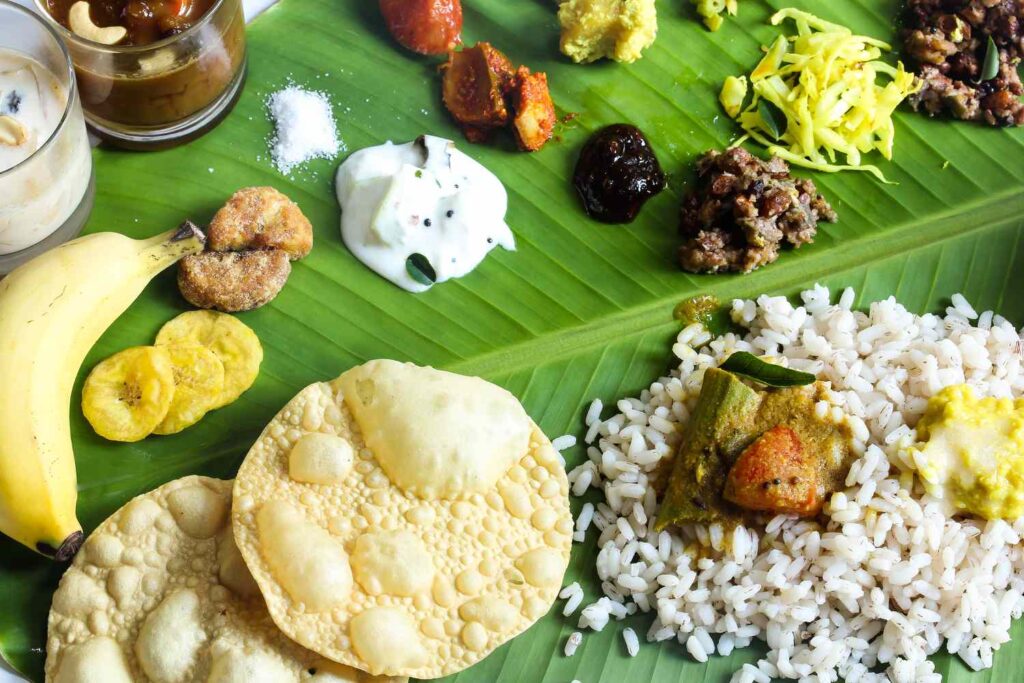
Kerala Cuisine: An Exquisite Blend of Coconut, Spice, & Traditional Flavours
The Town You Sleep In
Why the base town shapes a monsoon waterfall trip more than any single fall, what to look for, and towns in Karnataka, Kerala and Goa worth considering.
One village ghat upriver
Train versus road that week
Markets before the 20th, not on it
Journeys Worth Discovering
Explore inspiring destinations, memorable journeys and travel stories from across India and beyond.
Explore destinations




