
Most visitors arrive in Puri with one aim: to see the great Jagannath temple, offer their prayers, and leave. There is nothing wrong with that. The temple is one of the four great pilgrimage centres of Hindu India, the Char Dham, and its presence shapes every part of the town. But if you give Puri one slow morning and one long evening, you will find a coastal town with a life of its own, full of fishermen and pilgrims, sand artists and sweet-sellers, old lanes and wide skies. This is our guide to that Puri.
Before sunrise on the beach
Set your alarm early. Puri’s beach faces the Bay of Bengal, and on clear mornings the sunrise here is spectacular. Walk down to the sand while it is still dark and you will not be alone. Pilgrims come to bathe in the sea, which many consider sacred, and to offer prayers at the water’s edge. Families stroll along the shore, older men do their morning exercises, and vendors set up stalls selling tea in small cups.
As the sky turns orange, walk north towards the fishing area. Here, the scene changes entirely. Fishermen from coastal communities, many of whom have lived and worked along this coast for generations, push their wooden and fibreglass boats through the surf and haul in their nets. Women sort the catch on the sand, and the morning’s fish are sold on the spot. It is busy, noisy and very real. Watch from a respectful distance, ask before taking photographs, and you will see one of the oldest working rhythms on India’s eastern coast.
A word of caution: the sea at Puri can be rough, with strong waves and currents. Swim only in designated areas where lifeguards are present, and follow their instructions. Many visitors are content to paddle at the edge and leave the deeper water to the experts.
Breakfast and the old lanes
After the beach, head into town for breakfast. Look for small eateries serving hot puri and potato curry, or idli and vada, or simple plates of upma and tea. Then make your way to the area around the Bada Danda, the Grand Road that runs from the Jagannath temple towards the Gundicha temple. This wide avenue is the route of the famous Rath Yatra chariot festival, when the deities are taken out of the temple on enormous wooden chariots pulled by thousands of devotees.
The lanes that branch off the Grand Road are where Puri’s older character survives. Walk slowly and you will see houses painted with images of Jagannath, Balabhadra and Subhadra, the three deities with their distinctive large round eyes. You will pass small shops selling brass lamps, conch shells, sacred threads and pattachitra paintings, and sweet shops piled high with khaja, a crisp layered sweet closely associated with the temple. Monasteries, or mathas, stand behind old gates, some of them centuries old.
The temple, from outside and within
The Jagannath temple itself dominates the town, its tall spire visible from far away. Entry inside the temple complex is restricted to Hindus, and this rule is strictly enforced. If you are not permitted to enter, you can still sense the life of the temple from the street outside: the stream of devotees, the flags on the spire, the sound of bells and drums. Some nearby buildings offer views over the temple walls, but please be respectful and avoid paying touts for questionable access.
If you are entering the temple, leave your mobile phone, camera, shoes and leather goods at the official deposit points. Be prepared for crowds, especially on festival days and weekends, and be wary of anyone offering to speed up your darshan for a fee. Many visitors find it helpful to go early in the morning.
Midday: rest, eat, and stay out of the sun
By late morning Puri is hot, especially from April onwards. Do as the locals do: find a shaded place, eat a good meal and rest. Many visitors try Mahaprasad, the sacred food offered to Jagannath, which is distributed from the Ananda Bazaar inside the temple complex. Others prefer local restaurants serving Odia thalis with dal, rice, vegetable curries, saag, fish or prawn curries and a sweet at the end. Do not miss chhena poda if you see it.
Sand art and the evening beach
In the late afternoon, return to the beach, where Puri’s sand artists sometimes create large, detailed sculptures on the sand, often carrying social messages. Puri is closely linked with internationally known sand art, and an annual sand art festival has been held in the region. Even outside festival times, you may find artists at work near the main beach.
As the sun sets behind the town, the Marine Drive and beachfront fill with families. Vendors sell roasted corn, jhal muri, ice cream and toys. Camels and horses sometimes wait for rides. It is lively and a little chaotic, and many visitors find it the most joyful part of their day in Puri.
A short trip out of town
If you have more time, consider a short excursion. The road towards Konark runs along the coast, past casuarina groves and quiet stretches of sand, and makes a lovely drive. Raghurajpur, a heritage crafts village famous for pattachitra painting, is a short distance from Puri and well worth a visit. And to the south-west, Chilika Lake offers boat trips in search of birds and dolphins.
Tips for a gentler visit
- Visit the beach early in the morning or in the late afternoon to avoid the midday heat.
- Swim only in designated areas and follow lifeguards’ instructions.
- Use official counters and avoid touts offering special temple access.
- Dress modestly in and around temples and mathas.
- Carry water, wear a hat and use sunscreen.
- If you plan to visit during Rath Yatra, book accommodation well in advance and expect very large crowds.
Puri is a sacred town, but it is also a seaside town, a fishing town and a town of artists. Give it time beyond the temple queue, and it will show you all of these at once.
More from Issue 12
- April 2020
- Editor’s Letter: Odisha, Where the Temples Meet the Sea
- Bhubaneswar, The Temple City Of India
- Explore Puri, the resting place of Lord Vishnu!
- Konark, The City Of Sun Temple!
- Orissa is fun!
- Cuttack, The Millennium City
- Rourkela, The Engineering Heartland
- Visit Sambalpur!
- A Night Train to Puri, and Sunrise at Konark
- Pipili, Raghurajpur and Nuapatna: Odisha’s Craft Villages

Paro – A Valley Town In Bhutan
Three Days in Agatti and Bangaram, Not a Checklist
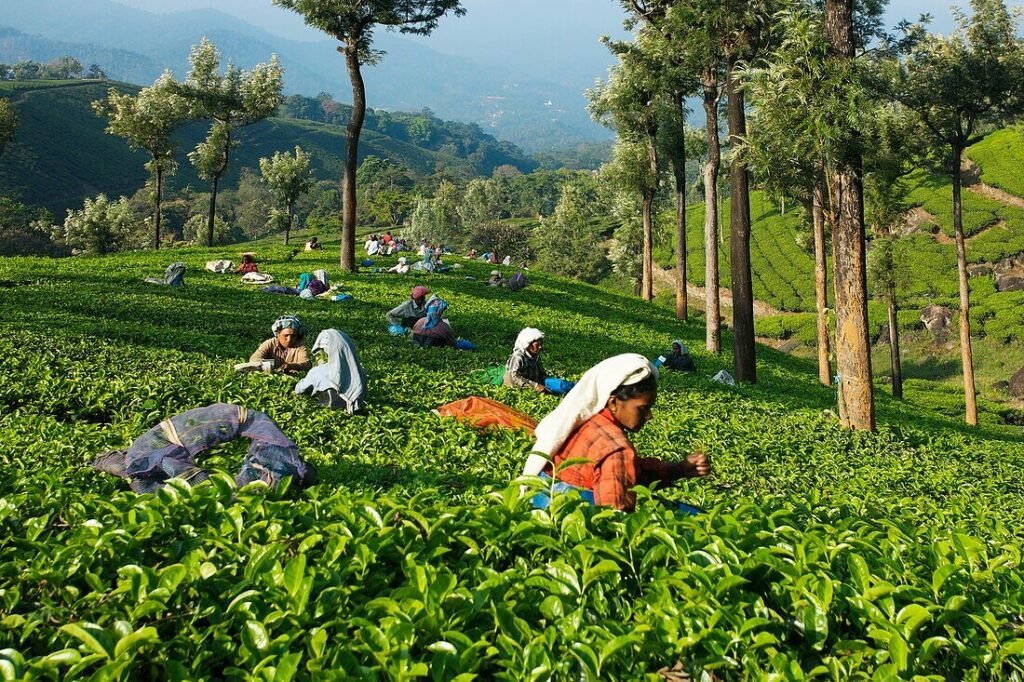
Tea Gardens in Kerala: A Verdant Symphony
The Town You Sleep In
Why the base town shapes a monsoon waterfall trip more than any single fall, what to look for, and towns in Karnataka, Kerala and Goa worth considering.
One village ghat upriver
Train versus road that week
Markets before the 20th, not on it
Journeys Worth Discovering
Explore inspiring destinations, memorable journeys and travel stories from across India and beyond.
Explore destinations




