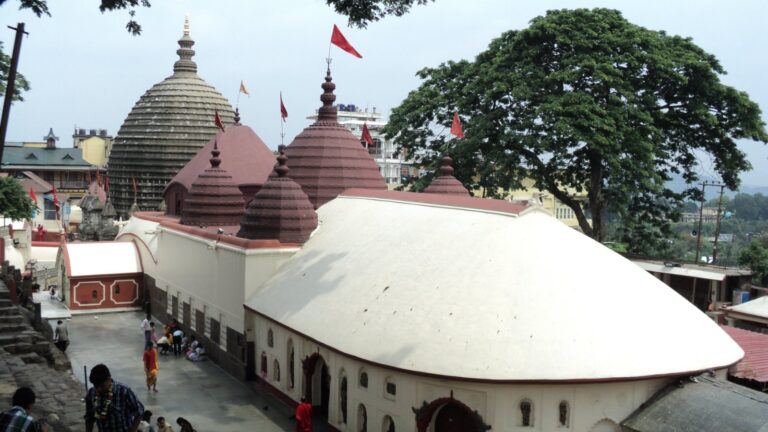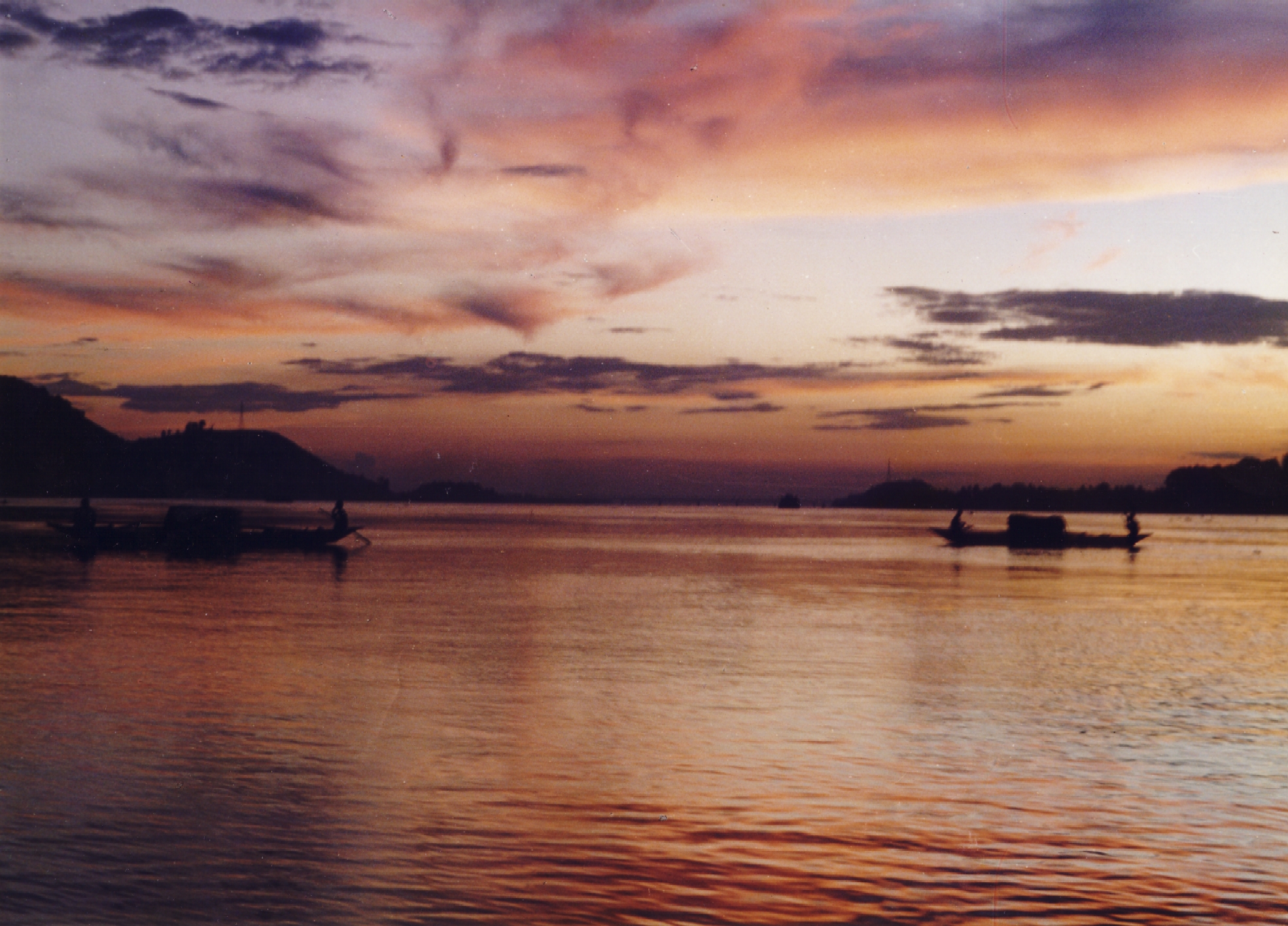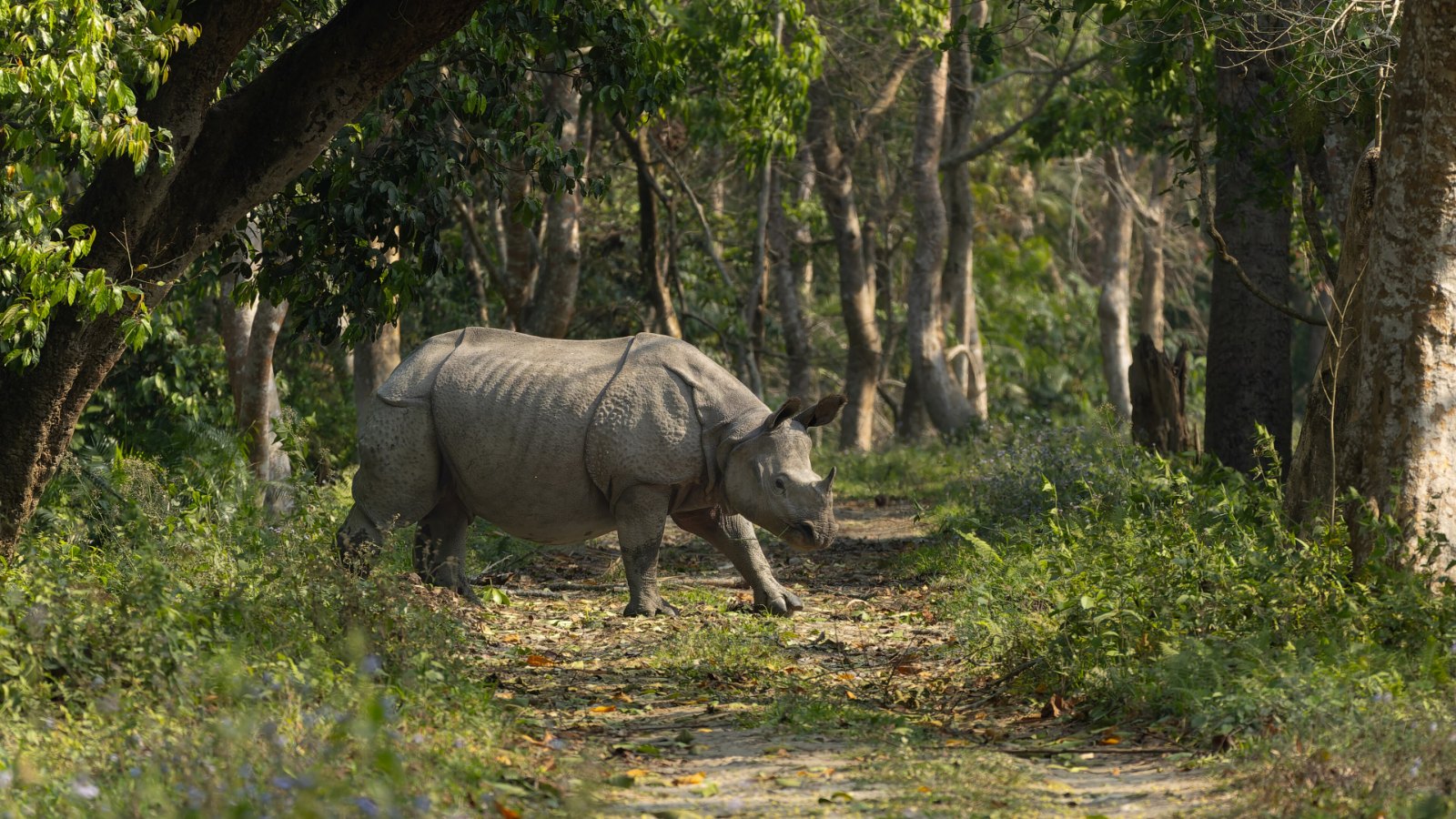
Kaziranga in May sits on a threshold. The cool, clear days of winter are gone, the pre-monsoon storms are rolling across Assam, and the Brahmaputra is beginning to rise. The park is close to its annual closure, and for a short while it shows a side of itself that most visitors never see.
A park shaped by water
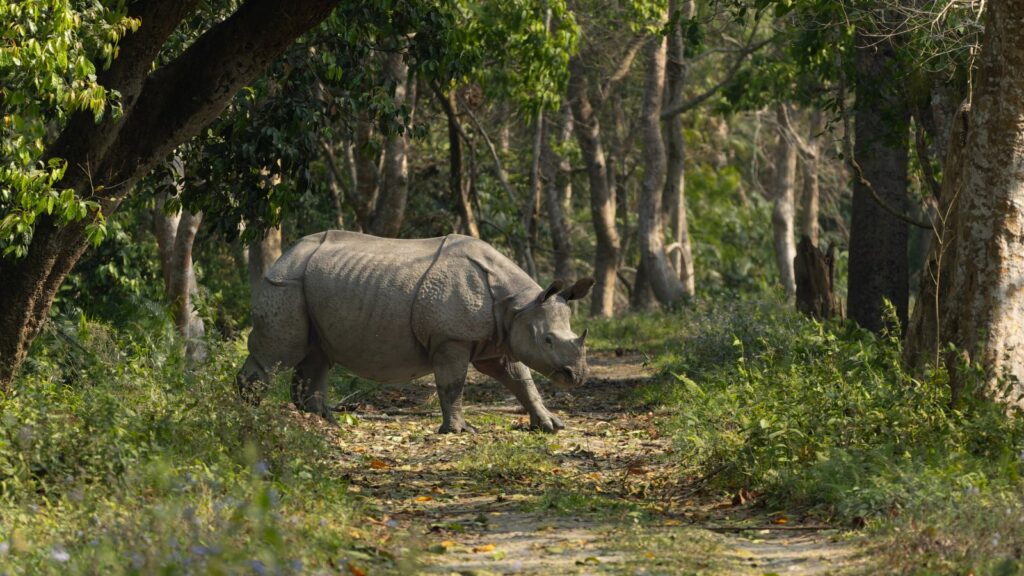
Kaziranga National Park lies on the south bank of the Brahmaputra in Assam. It is a UNESCO World Heritage Site and a tiger reserve, but it is best known as the stronghold of the greater one-horned rhinoceros. The park’s tall elephant grass, wetlands called beels, and patches of forest are all shaped by the river’s annual flood. The floods are destructive for animals caught in low ground, yet they are also what keeps the grassland rich and productive.
By May, the first heavy pre-monsoon showers have usually arrived. Grass grows fast and tall, the beels begin to fill, and the air becomes heavy and humid. Visibility can drop as the grass thickens, which is one reason the park is traditionally open for tourism mainly from around November to April.
Is the park open in May?
This is the question we hear most often. The park’s tourism season is set by the authorities each year, and in many years the ranges close for visitors around the end of April or in May, with some ranges sometimes staying open a little longer depending on conditions. We strongly suggest you confirm the current status with the official Kaziranga or Assam forest department sources before you plan a May trip. Do not rely on old itineraries, and be cautious of anyone who promises a safari after the official closure.
If the park is closed when you arrive, the region still has a great deal to offer, as we explain below.
What changes at the monsoon edge
When the park is open in early May, the experience is different from winter. Rhinos and wild buffalo spend time in the beels and wallows, and the fresh grass draws herbivores to feed. Elephant herds may move along the forest edges. Birds are busy with breeding; many winter migrants have gone, but resident species are conspicuous. The light, filtered through storm clouds, can be very beautiful.
The trade-offs are rain, heat, humidity, leeches in wetter areas, and tracks that may become muddy or impassable without warning. Safaris can be cut short by storms.
Ranges and safaris
Kaziranga is divided into ranges, usually described as Central (Kohora), Western (Bagori), Eastern (Agaratoli) and the Burapahar range. Jeep safaris run in each, and the Central and Western ranges are the most visited. Elephant-back rides have traditionally been offered in some ranges in the early morning, though many travellers now choose to avoid them for animal-welfare reasons, and we would encourage you to think about that choice.
When the floods come
During the monsoon months, large parts of the park can be submerged. Animals move to higher ground, including artificial highlands built inside the park, and some cross National Highway 37 (now often called NH 715) toward the Karbi Anglong hills. Speed limits and traffic controls are used on the highway to reduce wildlife deaths. If you drive this road in the rains, please respect them; animals crossing at night are hard to see.
Things to do around the park
- Visit the tea gardens around Kohora and Bokakhat and learn how Assam tea is produced.
- Walk at the Kaziranga Orchid and Biodiversity Park, if open, for a sense of the region’s plants.
- Explore Karbi villages in the hills to the south, with a local guide.
- Look for hoolock gibbons at the Hoollongapar Gibbon Sanctuary near Jorhat, a few hours away.
- Spend a day on Majuli, the large river island, if the ferries are running.
A sample two-day plan
If the park is open, a short visit might look like this. On the first day, take an early jeep safari in the Central range, where the beels near the entrance often hold rhinos, buffalo and wading birds. Rest through the hot, humid middle of the day, then walk through a nearby tea garden in the late afternoon. On the second day, try the Western range in the morning, which many visitors find good for rhinos and water birds, then use the afternoon to visit a Karbi village or the orchid park. Keep a spare half-day in case storms cancel a drive.
If the park has already closed, shift the plan toward the gibbon sanctuary and Majuli, and save the safari for another season.
Getting there
The nearest airports are at Jorhat and Guwahati. Guwahati is the larger hub but is several hours away by road. Furkating is a common railhead. The highway that runs along the southern edge of the park makes most lodges easy to reach, though the journey slows in heavy rain.
Where to stay
Lodges and resorts are spread along the highway near Kohora and Bagori, from simple guest houses to well-known jungle resorts. In May, some properties may reduce operations as the season ends, so confirm availability and check whether they still arrange safaris. Choose somewhere close to the range you want to visit to shorten early-morning travel.
What to pack
- A light rain jacket or poncho, and a cover for your camera.
- Quick-drying clothes in muted colours.
- Insect repellent and leech socks if you plan to walk in wet areas.
- A torch for evening power cuts, which can happen in storms.
A note on rhino protection
Kaziranga’s rhino population has recovered remarkably over the past century, but it has done so under constant threat from poaching. Forest guards work in difficult conditions, especially in the flood months. When you visit, choose operators who respect park rules, and treat the guards and guides with the respect they deserve.
Should you go?
If you want the classic Kaziranga with clear views across short grass, plan for the winter months. If you are curious about how a floodplain park breathes as the rains approach, and you are flexible with dates, a visit at the very end of the season can be rewarding. Either way, check opening dates first. Kaziranga’s calendar is set by the river, and the river does not follow travel plans.
More from Issue 37
- Editor’s Letter: Wildlife in the Hot Months
- Jim Corbett National Park
- Wildlife Sanctuaries of Kerala
- Ranthambore National Park
- Haridwar Travel Guide
- Explore Wilds of the North East India
- Envelope Into The Wild Of Sikkim
- Night Safari in Jim Corbett
- Ranthambore After the First Heat
- Parks Open in May, and the Ones About to Close