Ranthambore in May is not the gentle, golden park of winter postcards. It is hot, dusty and stripped back, and for many visitors that is exactly the point. Once the real heat arrives, the forest around the old fort changes its rhythm, and understanding that rhythm is the difference between a frustrating drive and a memorable one.
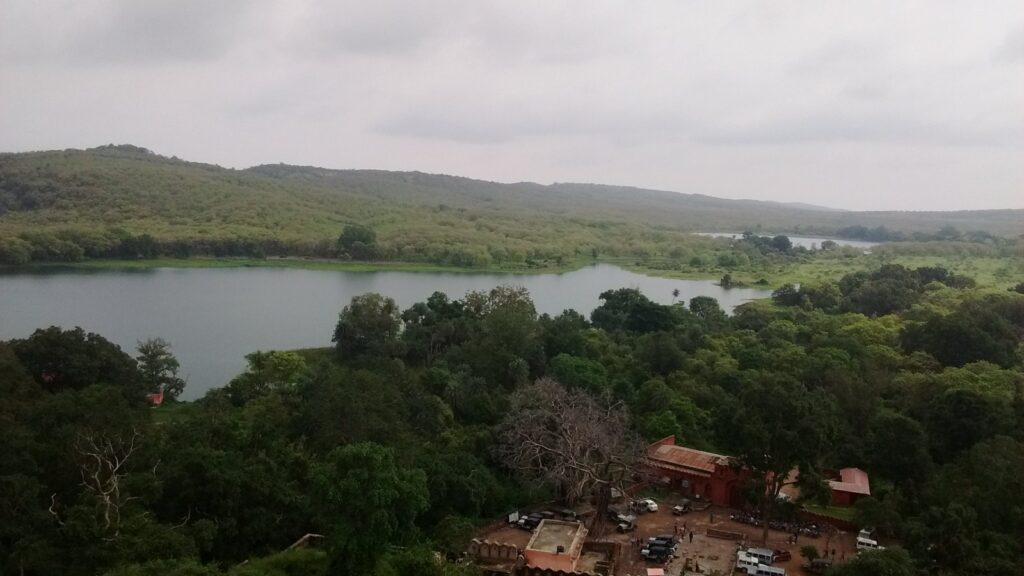
The park in summer
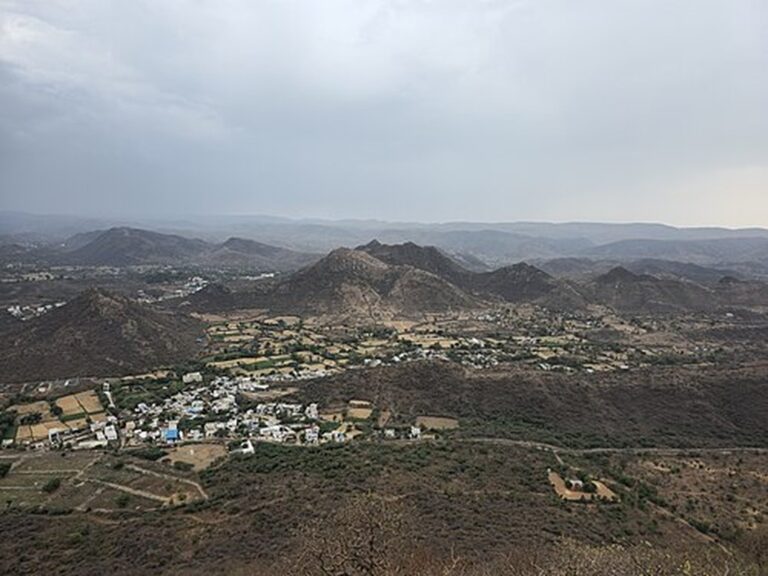
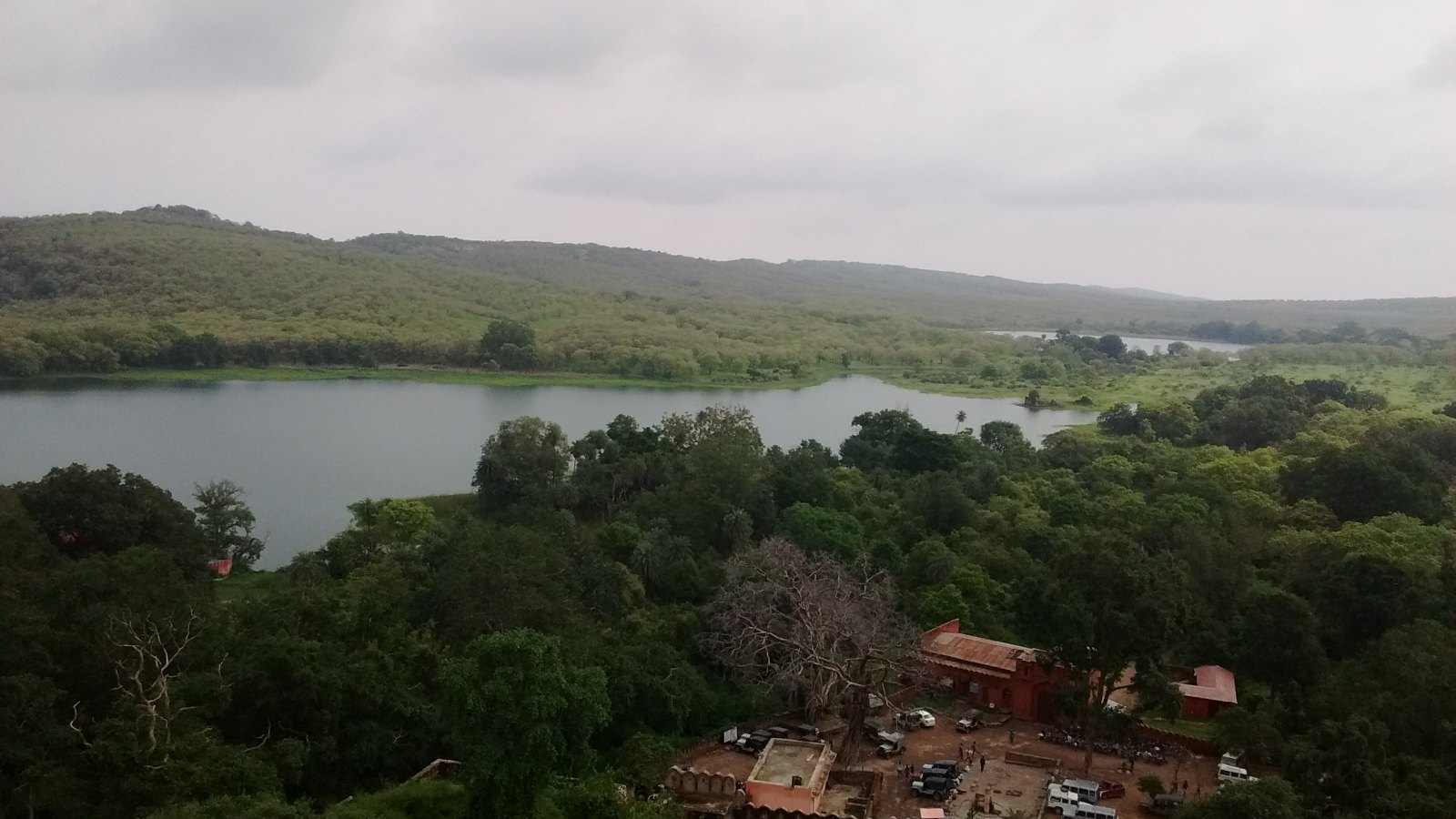
Ranthambore National Park sits where the Aravalli and Vindhya hills meet in eastern Rajasthan, near the town of Sawai Madhopur. Its dry deciduous forest is dominated by dhok trees, which lose much of their foliage in the hot months. The lakes near the fort, such as Padam Talao, Rajbagh and Malik Talao, shrink, and the smaller waterholes across the park become the focus of almost all animal movement.
Temperatures in May commonly climb well above 40°C in the afternoon. Mornings are milder, but not cool for long. The forest department generally adjusts safari timings through the year to suit daylight, so the summer morning drive tends to start earlier and the afternoon drive to end later than in winter. Check the current timings when you book, because they are set by the department and can change.
Why sightings can improve
Ranthambore has a long reputation for tiger sightings, and summer is often described as the best season for them. With thinner cover and fewer water sources, tigers tend to rest close to water during the hottest part of the day and move in the early morning and late afternoon. A tiger lying in a pool to cool off is one of the classic Ranthambore images, and in May it is a real possibility rather than a lucky accident.
That said, nobody can promise a sighting. Tigers range across zones, and your vehicle may be allotted a zone where none has been seen for days. It is better to go with the expectation of experiencing a remarkable forest, and to treat a tiger as a gift if it comes.
Zones and booking
The park is divided into numbered safari zones, and vehicles are assigned to a zone for each drive. Bookings are made through the Rajasthan forest department’s official online system, and the more popular zones near the lakes tend to fill early. You can choose between a six-seat Gypsy and a larger canter. The Gypsy is quieter and more flexible; the canter is cheaper per seat but noisier and slower.
Be wary of agents who promise a particular zone or guaranteed sightings. Zone allocation is controlled officially, and claims of special access should be treated with suspicion. We are not listing prices here because fees change; check the official portal for the current figures.
What you might see besides tigers
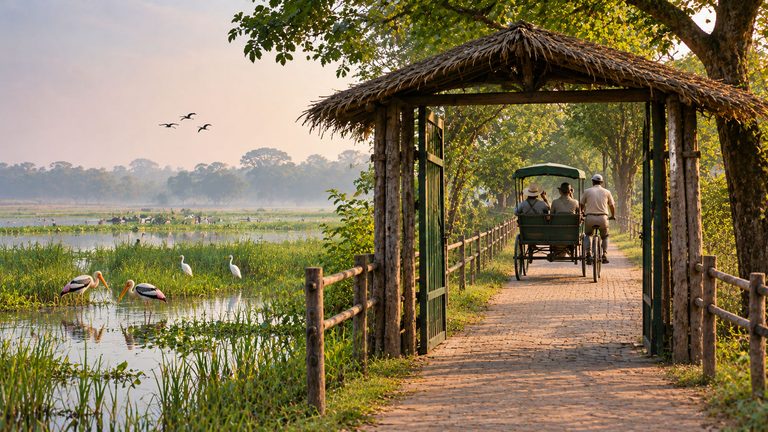
Summer concentrates all the wildlife, not only the big cats. Expect sambar and chital near the lakes, nilgai on open ground, wild boar, langurs, and mugger crocodiles basking on the banks. Leopards are present, more often in the outer and hillier parts of the park. Sloth bears are sometimes seen in the early morning. Birds include painted storks at the lakes, crested serpent eagles, and many kingfishers.
Handling the heat
- Choose morning drives if you can only do a few.
- Wear light, long-sleeved cotton and a wide hat; the sun in an open vehicle is fierce.
- Carry plenty of water and drink before you feel thirsty.
- A scarf helps against the fine dust kicked up on the tracks.
- Rest in the middle of the day rather than trying to sightsee in town.
Ranthambore Fort
The fort that gives the park its name is a UNESCO World Heritage Site as part of the Hill Forts of Rajasthan. It stands on a ridge inside the park and can be visited separately from a safari. Its Ganesh temple draws many pilgrims, especially on Wednesdays and festival days. In summer, go early: the climb is short but steep, and the stone holds the heat. From the walls you can look down across the lakes and see how the forest is arranged around water.
Where to stay
Sawai Madhopur has a wide range of hotels and lodges, from simple guest houses to resorts along the road toward the park gates. In summer, many properties offer reduced rates because it is the low season for general tourism. Look for somewhere with reliable cooling and a sensible pickup arrangement for early safaris. Staying close to the gate saves you precious time on hot mornings.
Getting there
Sawai Madhopur is on the main railway line between Delhi and Mumbai, with good connections from Jaipur and Kota. By road, Jaipur is a few hours away. The nearest major airport is Jaipur. Trains are usually the most comfortable option in summer, as long road journeys in the afternoon heat can be draining.
Before the monsoon closure
Like most of India’s tiger reserves, Ranthambore’s main zones typically close for the monsoon from around the end of June and reopen around October. Some zones have in the past remained open longer, but this depends on the forest department’s decision each year. If you want to see the park in its summer state, plan for May or early June, and confirm closure dates before booking.
Responsible safaris
Summer stress affects animals too. Ranthambore’s popularity has brought crowding at sightings, with many vehicles converging on one tiger. As a visitor, you can help by asking your driver to keep distance, by staying seated and quiet, and by not encouraging vehicles to leave the track. The tigers of Ranthambore have learned to tolerate people, but they should not have to tolerate harassment.
A quieter way to see it
If the crowds bother you, consider one drive in a less popular zone and accept a lower chance of a tiger in exchange for a calmer forest. Some of the best Ranthambore memories have nothing to do with big cats: a crocodile sliding into still water, a sambar stag wading through a lake, the fort turning pink in the last light. May is harsh, but it shows the forest at its most honest.
More from Issue 37
- Editor’s Letter: Wildlife in the Hot Months
- Jim Corbett National Park
- Wildlife Sanctuaries of Kerala
- Ranthambore National Park
- Haridwar Travel Guide
- Explore Wilds of the North East India
- Envelope Into The Wild Of Sikkim
- Night Safari in Jim Corbett
- Kaziranga at the Monsoon Edge
- Parks Open in May, and the Ones About to Close