May is a strange month for wildlife travel in India. Many of the country’s best-known parks are open and at their most productive for sightings, yet the clock is ticking toward the monsoon closure. Some parks in the north east and south are already winding down. This guide sets out, in broad terms, which parks are usually worth visiting in May and which are about to close, so you can plan before the rains arrive.
A note before we start: opening and closing dates are set every year by state forest departments and can change because of weather, administrative decisions or conservation needs. Treat everything below as a typical pattern, and confirm with the official source before you book.
The general pattern
Most of India’s tiger reserves follow a similar calendar. Core zones open around October after the monsoon and close around the end of June, when heavy rain makes forest tracks unsafe and gives wildlife a breeding season with fewer disturbances. Some buffer zones stay open through the monsoon. Parks in the north east, whose floodplains flood early, often close sooner, and some southern parks have their own timetables.
That leaves May as one of the last full months of the season in central and northern India.
Central India: open, hot and productive
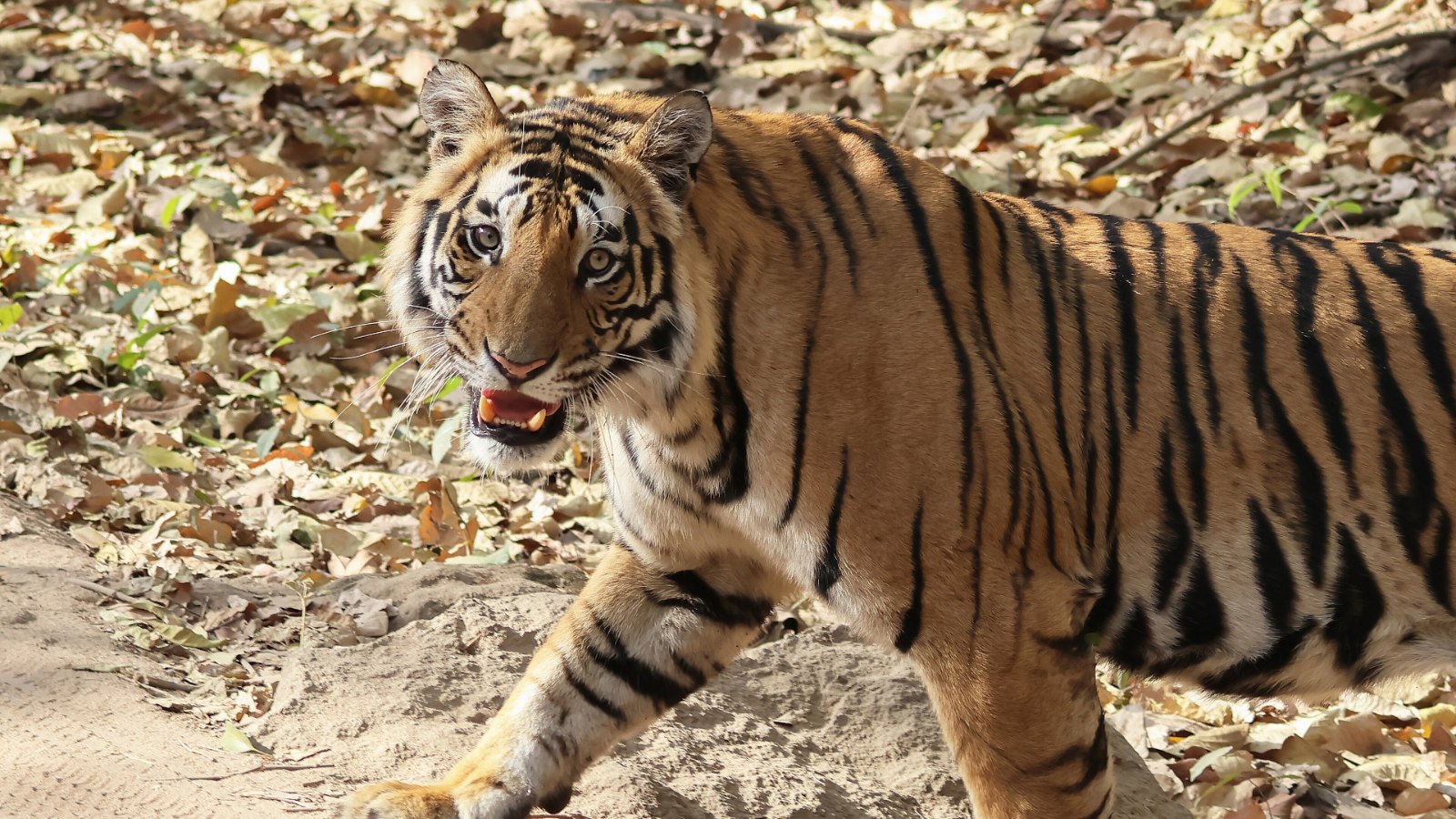
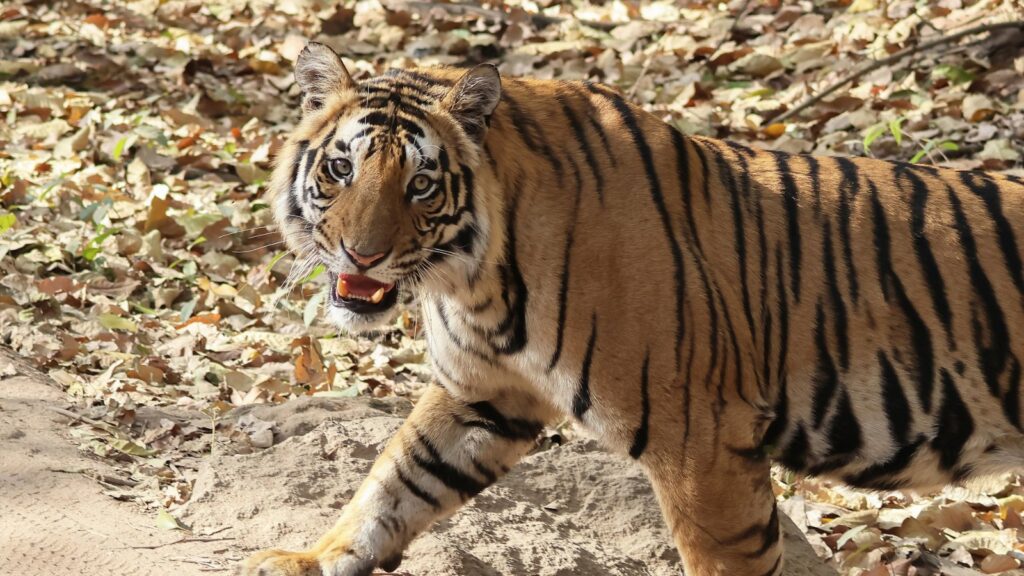
Kanha, Bandhavgarh, Pench and Satpura in Madhya Pradesh, and Tadoba-Andhari in Maharashtra, are usually open through May. These are dry, hot parks, and summer is widely considered the best time for tiger sightings because animals gather near water. Expect very high afternoon temperatures. Morning drives are more comfortable and often more rewarding.
- Kanha: known for its meadows, barasingha and well-organised safaris.
- Bandhavgarh: high tiger density and dramatic rocky terrain around its fort.
- Pench: teak forest and the landscape associated with The Jungle Book.
- Satpura: walking safaris, boat rides and canoeing in some areas, subject to rules.
- Tadoba: increasingly popular for tigers, sloth bears and dhole.
Rajasthan: Ranthambore and Sariska
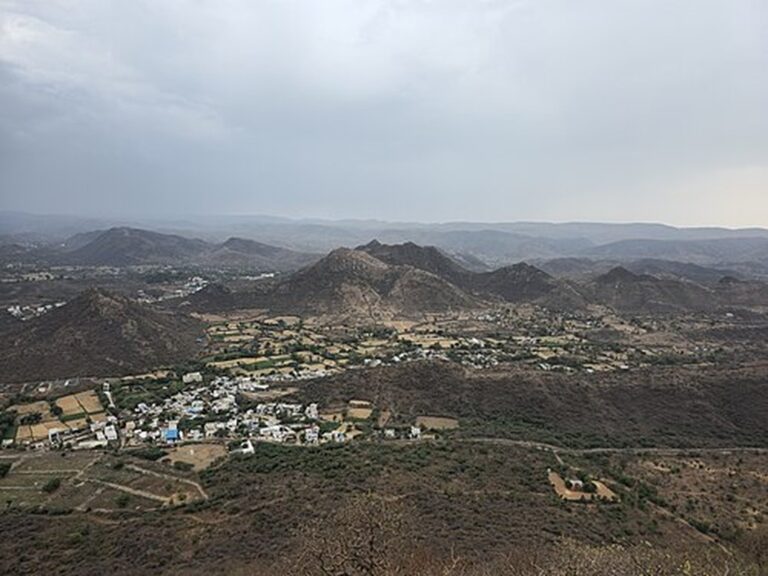
Ranthambore and Sariska are usually open in May and typically follow the end-of-June closure for their main zones, though some zones in Ranthambore have at times operated differently. Both are very hot in summer. Ranthambore’s lakes become the centre of activity, and Sariska’s forest is quieter and less crowded.
The north: Corbett and Rajaji
Jim Corbett National Park in Uttarakhand runs several zones. Dhikala, the park’s most famous zone with its grasslands and forest rest house, generally operates from around mid-November to mid-June. Bijrani and some others follow a similar seasonal pattern, while Jhirna and Dhela have in recent years been open for much of the year. Rajaji National Park near Haridwar and Rishikesh usually closes in mid-June. May in the Terai is hot, but more bearable than central India.
The north east: closing or closed
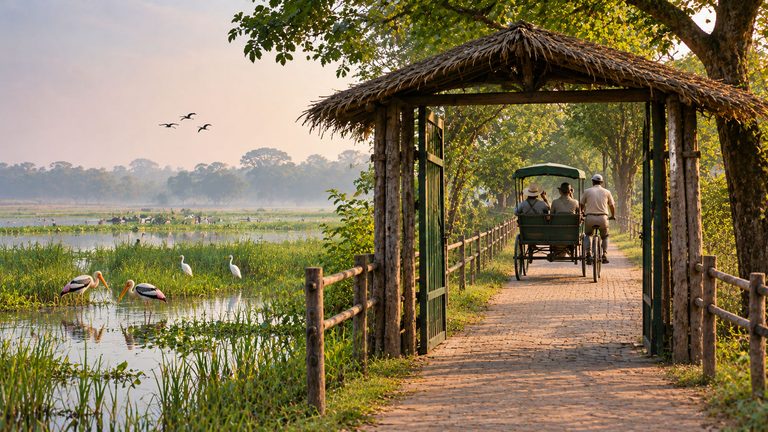
Kaziranga in Assam is traditionally open for tourism from around November to April, and in many years its ranges close around the end of April or in May. Manas and Nameri also tend to close as the rains approach. If you want to visit the north east in May, check opening status carefully; by the time most travellers think of going, the season may be over.
The south: a mixed picture
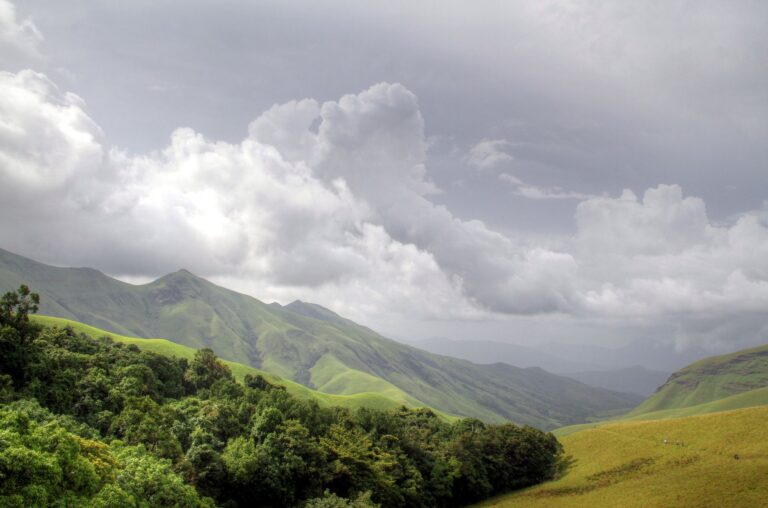
The southern parks do not all follow the same pattern. In Karnataka, Bandipur and Nagarhole are generally open through much of the year, though some activities can be affected by weather. Periyar in Kerala is open for most of the year, and the boat rides on the lake are a popular way to see elephants and gaur. Kerala’s southwest monsoon usually arrives around the start of June, so late May is close to the change of season. In Tamil Nadu, Mudumalai is also open for much of the year, but closures for fire risk or other reasons can happen at short notice.
Gujarat: Gir
Gir National Park, home of the Asiatic lion, is usually open from mid-October to mid-June. May is hot, but lions often rest near water and in shade, which can make them easier to find. Devalia, the interpretation zone, may follow a different schedule.
How to decide
- If you want the best odds of a tiger, central India in May is hard to beat, provided you can handle the heat.
- If you prefer milder conditions, the southern parks or Corbett may suit you better.
- If the north east is your goal, plan for winter instead.
- If you can only travel after June, look for buffer zones and parks that stay open in the monsoon, and set expectations accordingly.
Booking tips
Most parks now take bookings through official state portals. Popular zones can sell out weeks or months ahead, especially during school holidays in May. Book directly where possible, keep your identity documents handy for the permit check, and be cautious of agents offering guaranteed zones or sightings. We have not listed fees here, as they change; check the official websites for current rates.
What to pack for a May safari
- Breathable, long-sleeved cotton in khaki, olive or brown.
- A wide-brimmed hat, sunglasses and high-SPF sunscreen.
- A refillable water bottle; drink steadily through each drive.
- A light scarf or buff against dust.
- Binoculars, which matter more than a long lens for enjoying a sighting.
- Oral rehydration sachets, in case the heat catches up with you.
Mornings in the vehicle can feel briefly cool before sunrise, so a thin layer is worth carrying even in May.
Travelling responsibly in the heat
Summer is hard on animals. Waterholes are small, shade is scarce, and the stress of heat is real. Ask your driver to keep a respectful distance, avoid crowding sightings, never feed animals, and leave no plastic behind. A summer safari can be one of the great experiences of Indian travel, but it should never come at the cost of the animals’ wellbeing.
A last word
The weeks before the monsoon closure are a fine time to visit the forests, but they are also the end of a long, busy season for the guides, drivers and forest staff who make your visit possible. A little patience and courtesy go a long way.
More from Issue 37
- Editor’s Letter: Wildlife in the Hot Months
- Jim Corbett National Park
- Wildlife Sanctuaries of Kerala
- Ranthambore National Park
- Haridwar Travel Guide
- Explore Wilds of the North East India
- Envelope Into The Wild Of Sikkim
- Night Safari in Jim Corbett
- Ranthambore After the First Heat
- Kaziranga at the Monsoon Edge