
Most of India’s national parks and tiger reserves close their core zones, fully or partly, during the monsoon. The closures usually run from around late June or July until the end of September, although exact dates vary by state and by park. When the rains ease, the forests reopen, typically from early to mid-October. Here is a guide to some of the best-known parks that usually welcome visitors back in October, with notes on what to expect.
Important: opening dates, zones and rules are decided by state forest departments and can change at short notice. Always check the official booking portal for each park before planning, and treat the dates below as general guidance only.
Central India: the tiger heartland
Madhya Pradesh is home to several of India’s most famous tiger reserves, and most of them generally reopen their core zones around 1 October.
Kanha Tiger Reserve is known for its meadows, sal forests and the hard-ground barasingha, a species of swamp deer brought back from the brink of extinction here. In October, the meadows are green and the forest thick.
Bandhavgarh Tiger Reserve is famous for its high density of tigers in certain zones and for the ancient fort on its central hill. Sightings can be good even early in the season, though tall grass can hide animals.
Pench Tiger Reserve, which spans Madhya Pradesh and Maharashtra, is associated with the stories that inspired The Jungle Book. It has open teak forests and is good for leopards, wild dogs and birds as well as tigers.
Satpura Tiger Reserve offers a quieter, more varied experience, with options such as walking safaris, canoeing and boat trips in some areas, subject to rules. It is a good choice for people who want to avoid crowds.
Panna Tiger Reserve is known for the remarkable recovery of its tiger population after a period when tigers had disappeared from the park. The Ken river gorge adds to its beauty.
In Maharashtra, Tadoba-Andhari Tiger Reserve usually reopens its core zones in October, while some buffer zones may remain open through the monsoon. Tadoba has become one of the most popular parks in India for tiger sightings.
Rajasthan
Ranthambore National Park generally reopens on 1 October. With its old fort, lakes, ruined pavilions and dry deciduous forest, Ranthambore is one of the most photogenic parks in India. Some zones open first; others may follow later as roads are repaired.
Sariska Tiger Reserve, closer to Delhi and Jaipur, also typically reopens in October. It is known for its tiger reintroduction programme, temples within the reserve and scenic Aravalli landscapes.
North India
Jim Corbett National Park in Uttarakhand, India’s oldest national park, has several zones with different opening schedules. The Dhikala zone, the most famous and the best for overnight stays in forest rest houses, usually opens around mid-November, while other zones such as Bijrani may open in mid-October. Some zones like Jhirna remain open for much of the year. Check the official Corbett booking site carefully.
Rajaji National Park, near Haridwar and Rishikesh, typically reopens in mid-November, though dates vary.
Dudhwa National Park in Uttar Pradesh, near the Nepal border, usually reopens around mid-November and is known for swamp deer, rhinos and rich birdlife.
East and North-east India
Kaziranga National Park in Assam, famous for the greater one-horned rhinoceros, generally reopens in October or early November, depending on the condition of the roads after the floods. Initially only some ranges may open. Elephant and jeep safaris are typically offered, subject to rules.
Manas National Park, also in Assam, usually reopens around October or November, with diverse habitats and species such as the golden langur and pygmy hog.
South India
Parks in the south follow different patterns because of two monsoons. Bandipur and Nagarhole in Karnataka, and Mudumalai in Tamil Nadu, often remain open for most of the year, with occasional closures for fire risk in summer or during heavy rains. Periyar Tiger Reserve in Kerala is also open for much of the year, though boating and treks may be affected by weather.
Choosing the right park for you
With so many parks reopening at once, it helps to choose based on what you want from the trip rather than on reputation alone. If a tiger sighting is your priority, the popular zones of Tadoba, Bandhavgarh and Ranthambore are often recommended, but they are also the busiest. If you want quieter forests and a broader wildlife experience, consider Satpura, Panna or the buffer zones of larger reserves. Birders may prefer Kaziranga, Dudhwa or the wetlands near Bharatpur, where the Keoladeo National Park becomes lively once winter migrants start arriving.
Think too about access. Ranthambore and Sariska are easy to reach from Delhi and Jaipur by road or rail. The central Indian parks usually require a flight or train to a nearby city such as Jabalpur, Nagpur or Bhopal, followed by a drive of several hours. Kaziranga is reached by road from Guwahati or Jorhat.
What to expect in October
- The forest is green and dense, so sightings can require patience.
- Some roads and zones may remain closed early in the season.
- Mornings are pleasant and sometimes misty; afternoons can be warm.
- Birdlife is excellent, with resident species active and early migrants arriving.
- Prices for accommodation may be lower than in peak winter, though popular parks still fill up during festival holidays.
A note on buffer zones
Many tiger reserves also run safaris in their buffer zones, the areas surrounding the core. Some buffer zones stay open during parts of the monsoon, and in October they can be a good alternative if core permits are sold out. Wildlife is often present in buffers too.
How to book
Safari permits for most parks are booked through official state forest department websites, often months in advance for popular zones. Some parks allow a limited number of on-the-spot bookings. Use only official channels or reputable operators, and beware of unofficial agents promising guaranteed sightings or special access.
Respecting the reopening
The first weeks after reopening are sensitive. Animals have had months without vehicles, and some may be more wary. Follow your guide’s instructions, keep noise to a minimum, and do not ask drivers to go off-road or speed. A respectful start to the season helps everyone.
More from Issue 42
- Editor’s Letter: The Forests Reopen
- Wildlife Tour In Nepal
- Ranthambore National Park
- Sariska National Park
- Bandipur National Park
- Nagarhole National Park
- Dandeli Wildlife Sanctuary
- Birding the West Coast as the Monsoon Lifts
- A Night in a Forest Rest House
- Core-Zone Rules After the Rain
Kullu Dussehra: The One Valley Route That Explains the Festival

Nainital – The City of Lakes
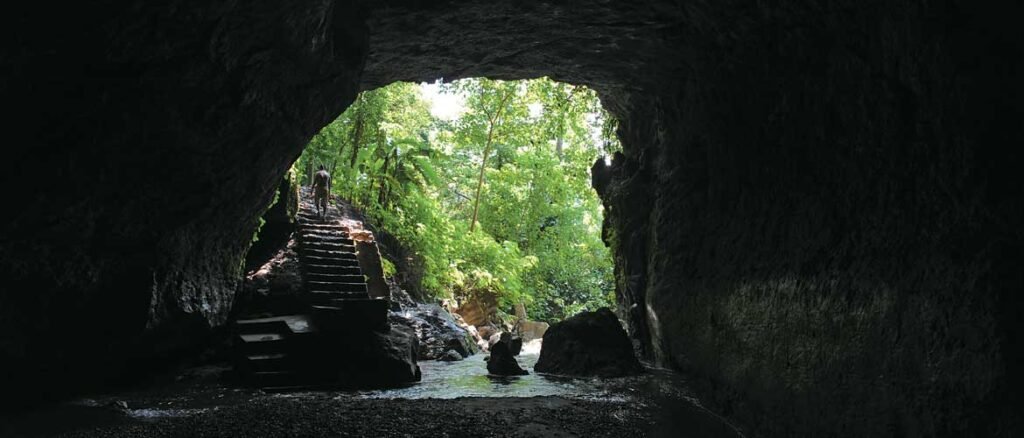
Siju Cave – In Siju Wildlife Sanctuary of Meghalaya
The Town You Sleep In
Why the base town shapes a monsoon waterfall trip more than any single fall, what to look for, and towns in Karnataka, Kerala and Goa worth considering.
One village ghat upriver
Train versus road that week
Markets before the 20th, not on it
Journeys Worth Discovering
Explore inspiring destinations, memorable journeys and travel stories from across India and beyond.
Explore destinations




